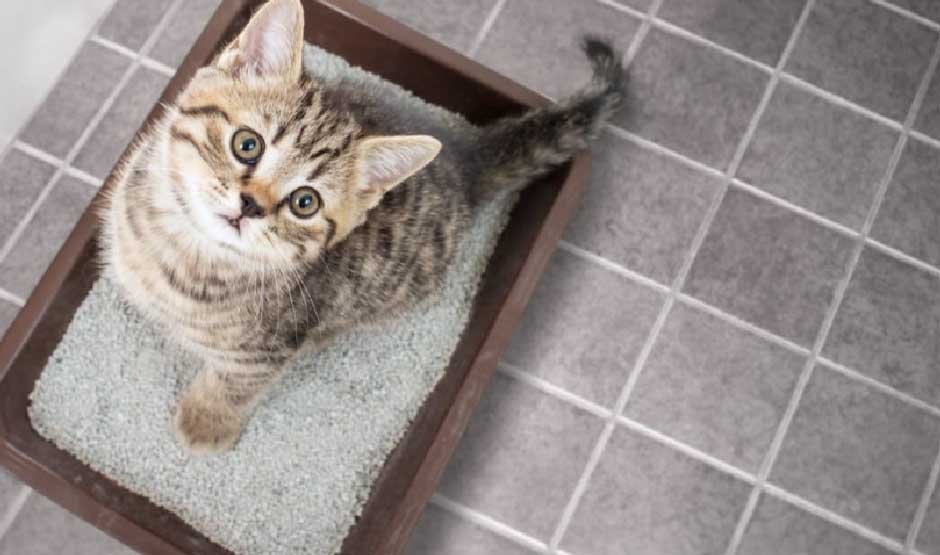
Most kittens figure out the litter box within 24 to 48 hours of being introduced to it, and nearly all get the hang of it within a week. If you are wondering how to train a kitten to use the litter, the answer is simpler than most people expect. The process is less about formal training and more about setting up the right environment. Cats have a natural instinct to bury their waste, and your job is to make the litter box the obvious place to do it.
The setup matters more than the training. A kitten who cannot easily climb into the box, dislikes the feel of the litter under her paws, or cannot find the box when nature calls will simply go somewhere else. Get those three things right and the rest tends to fall into place. Kittens as young as three weeks old can start learning, though very young ones need more hands-on guidance than an eight-week-old who already watched mom use the box.
When to Start Litter Training
Kittens can begin litter training at around three weeks of age. Before that, newborns rely on their mother or a human caregiver to stimulate them to eliminate; they literally cannot go on their own. The neurological wiring kicks in around the three-week mark, and that is when they start seeking out a substrate to dig in.
If you are raising an orphaned kitten, keep stimulating after meals with a warm, damp cotton ball until you are confident she is using the box consistently. Every kitten develops at her own pace. Some three-week-olds take to the box immediately, while others need another week of stimulation before they are ready. Watch for the moment the kitten starts sniffing the ground and scratching before eliminating — that is the signal she is ready to try the box.
For kittens adopted from a shelter or breeder at eight to twelve weeks, most already have the basics down from watching their mother. A quick reintroduction to the box in their new home is usually all they need.
Choosing the Right Litter Box and Litter
The right equipment makes or breaks the process. A kitten who has to scale a six-inch wall to reach the litter is going to find a corner instead. The box needs to be shallow enough for tiny legs: an open-top pan with sides no higher than two or three inches for kittens under eight weeks. A cardboard flat from a case of canned food works perfectly as a starter box. Once the kitten hits about three months, you can graduate to a standard adult box. For a Maine Coon that is a waypoint and not a destination, since the litter box size a full-grown Maine Coon needs runs well past what the pet aisle labels as adult.
Litter choice matters just as much. Young kittens explore the world with their mouths, and they will taste the litter at some point. Clumping clay litter is a genuine hazard for kittens under four months; if ingested, it can swell and form a blockage in the digestive tract. The safest option is a non-clumping, unscented, pellet-based litter made from paper, wood, or corn.
| Litter Type | Safe for Kittens Under 4 Months? | Notes |
|---|---|---|
| Non-clumping paper pellets | Yes, best choice | Soft on paws, digestible if swallowed, virtually dust-free |
| Non-clumping wood pellets | Yes | Highly absorbent; natural pine scent deters some kittens |
| Non-clumping corn or wheat | Yes, for kittens over 8 weeks | Lightweight and clumps naturally; some kittens try to eat it |
| Clumping clay | No | Can cause life-threatening intestinal blockage if swallowed |
| Silica gel crystals | No | Irritates paws and is dangerous if ingested |
| Scented or fragranced litter | No | Overwhelms a kitten’s sensitive nose and can trigger aversion |
Step-by-Step Training Process
The method that works for the vast majority of kittens is simple: place them in the box at the right moments, give them space, and reward good outcomes. Here is the sequence, one step at a time.
Step 1: Set Up the Box
Place the box in a quiet corner away from food and water bowls. Cats do not eliminate where they eat, so keeping those zones separate is non-negotiable. Put a puppy training pad under the box because kittens learning to dig are enthusiastic and messy. If you have a multi-story home, put a box on each floor. For the first week, confine the kitten to a single room with the box nearby so she cannot wander too far from it.
Step 2: Introduce the Kitten to the Box
Gently place the kitten in the box after every meal, after every nap, and any time you see her sniffing the floor, crouching, or scratching. These are the moments she is most likely to go. Do not just drop her in and walk away; sit quietly nearby for about two minutes. If she hops out immediately, that is fine. Try again five minutes later. Kittens have tiny bladders and short attention spans, so repeat this four to six times a day for the first three days.
Step 3: Let Instinct Take Over
Once the kitten is in the box, do nothing. Most kittens will sniff around and start digging with their front paws. Do not touch her, talk to her, or hover over her. If she does not start digging on her own, gently take one front paw and scratch the litter surface once or twice, then back off. Kittens who lie down or fall asleep in a clean box are completely normal; they stop doing this once they figure out what the box is actually for.
Step 4: Reward and Repeat
When the kitten uses the box, give a small treat or a few seconds of gentle praise immediately after she finishes. The timing matters: the reward has to come within seconds, not two minutes later when she has wandered off to play. Do this consistently for the first week. After that, the habit is set and you can taper off the treats. Expect the whole process to take two to seven days for a kitten over six weeks old. Very young kittens at three to five weeks may need closer to two weeks of supervision before they are reliable.
Common Mistakes That Slow Things Down
The most frequent error is using a covered litter box too early. Covered boxes trap odors, which sounds appealing to humans, but they concentrate smells in a way that can drive a kitten away. A cat’s sense of smell is roughly 14 times more sensitive than yours. An open box lets odors dissipate and gives the kitten a clear escape route, which are both things she wants.
Moving the box around is another classic misstep. Pick a spot and stick with it. If you must relocate the box from the temporary kitten room to its permanent location, do it in six-inch increments over several days so the kitten adjusts gradually without losing track of where to go.
Punishment backfires every time. If the kitten has an accident, clean it up with an enzymatic cleaner that breaks down the proteins in urine. Regular household cleaners will not remove the scent, and a kitten who can still smell her old spot will keep using it. Yelling, rubbing her nose in it, or scolding while carrying her to the box teaches her to fear both you and the box.
“How do I help my kitten learn to use the litter box?”
— r/CATHELP, 490 upvotes, 112 comments (October 2024), source
On Reddit, a common thread among new kitten owners is surprise at how quickly the process works once the setup is right. The r/CATHELP community regularly fields questions from people who spent days trying complex strategies, only to discover that a shallower box or a switch to unscented paper litter solved the problem overnight. The recurring lesson: when training stalls, simplify the setup before overcomplicating the method.
When the Litter Box Training Is Not Working
If a kitten who was using the box reliably suddenly stops, rule out a medical issue before anything else. Urinary tract infections, bladder stones, and intestinal parasites can all cause a kitten to associate the litter box with pain and avoid it. A vet visit with a urinalysis is the correct first step, not more training.
Next, check for environmental changes. Did you switch litter brands? Move the box? Add a new pet to the household? Kittens are sensitive to disruption, and litter box avoidance is often the first sign something is stressing them out. Go back to the setup that was working and give it a few days. For multi-cat households, the rule of thumb is one box per cat plus one extra, spread across different rooms. A dominant cat guarding the only box is a common reason a younger kitten starts eliminating elsewhere.
Frequently Asked Questions
How long does it take to litter train a kitten?
Most kittens learn to use the litter box within two to seven days. Kittens over six weeks old who have watched their mother use a box often get it on day one. Orphaned kittens under four weeks may need closer to two weeks of consistent guidance before they are fully reliable.
What kind of litter is safest for a kitten?
Non-clumping paper or wood pellet litter is the safest choice for kittens under four months old. Clumping clay litter can cause intestinal blockages if swallowed, and scented or crystal litters can irritate a kitten’s sensitive paws and respiratory system.
Why does my kitten sleep in the litter box?
Sleeping in the litter box is common among very young kittens adjusting to a new home. The box smells like them, which makes it feel safe. It usually stops within a few days once the kitten associates the box with elimination. If it persists beyond a week, make sure the kitten has a warm, enclosed bed nearby as an alternative.
Should I use a covered litter box for my kitten?
No. Covered boxes trap odors, limit escape routes, and can intimidate a small kitten. A simple open-top pan is easier to access and feels safer. You can try a covered box when the kitten is fully grown, around six months, and only if you keep an open alternative available at the same time.
What if my kitten keeps having accidents in the same spot?
Clean the area with an enzymatic cleaner made specifically for pet urine. Standard cleaners leave behind scent molecules that signal “bathroom” to a cat’s nose. Place a temporary second box directly on that spot, and once the kitten uses it reliably, slowly move it a few inches per day to where you actually want it.
Getting Started Today
Litter training a kitten comes down to removing obstacles. A shallow box, a kitten-safe litter, a quiet consistent location, and a handful of treats for reinforcement. Those four things solve the vast majority of training challenges. The kitten already has the instinct to bury her waste. What she needs from you is an easy path to the right spot.
If something goes off the rails, do not panic. Reset to the basics: one room, one box, right after meals, enzymatic cleaner on any accidents. Almost every litter box problem in kittens is fixable with a return to that simple formula.