Key Takeaways
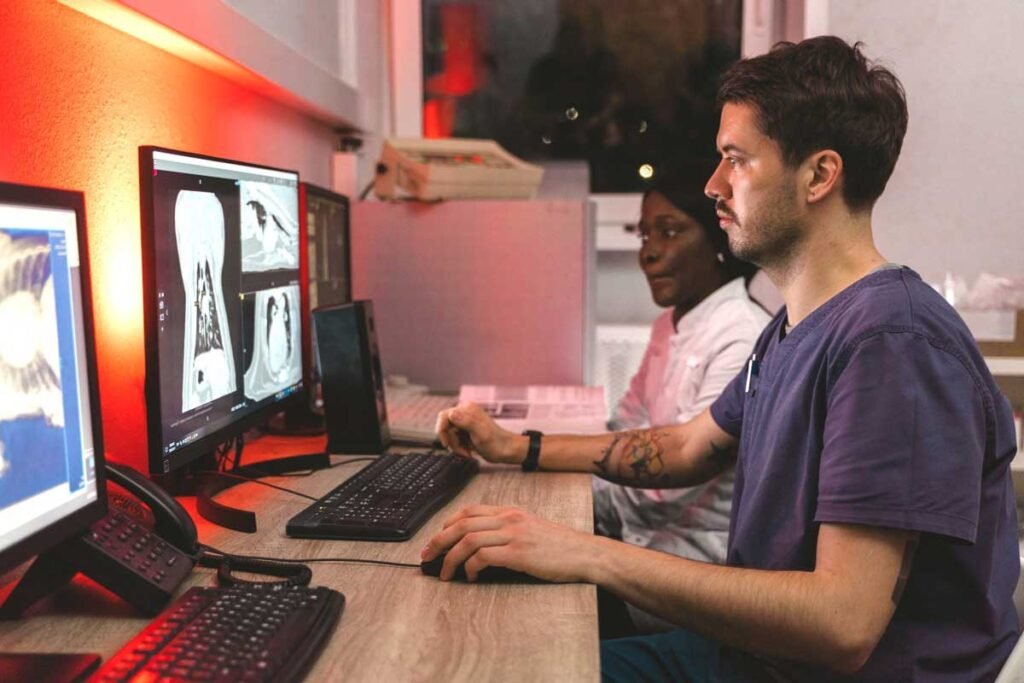
- Veterinary radiology software is becoming a workflow layer, not only an image interpretation tool.
- AI can help clinics screen radiographs quickly, but complex cases still benefit from expert radiologist review.
- SignalPET leads this list because it combines real-time AI insights and 24/7 expert radiologist support in one radiology platform.
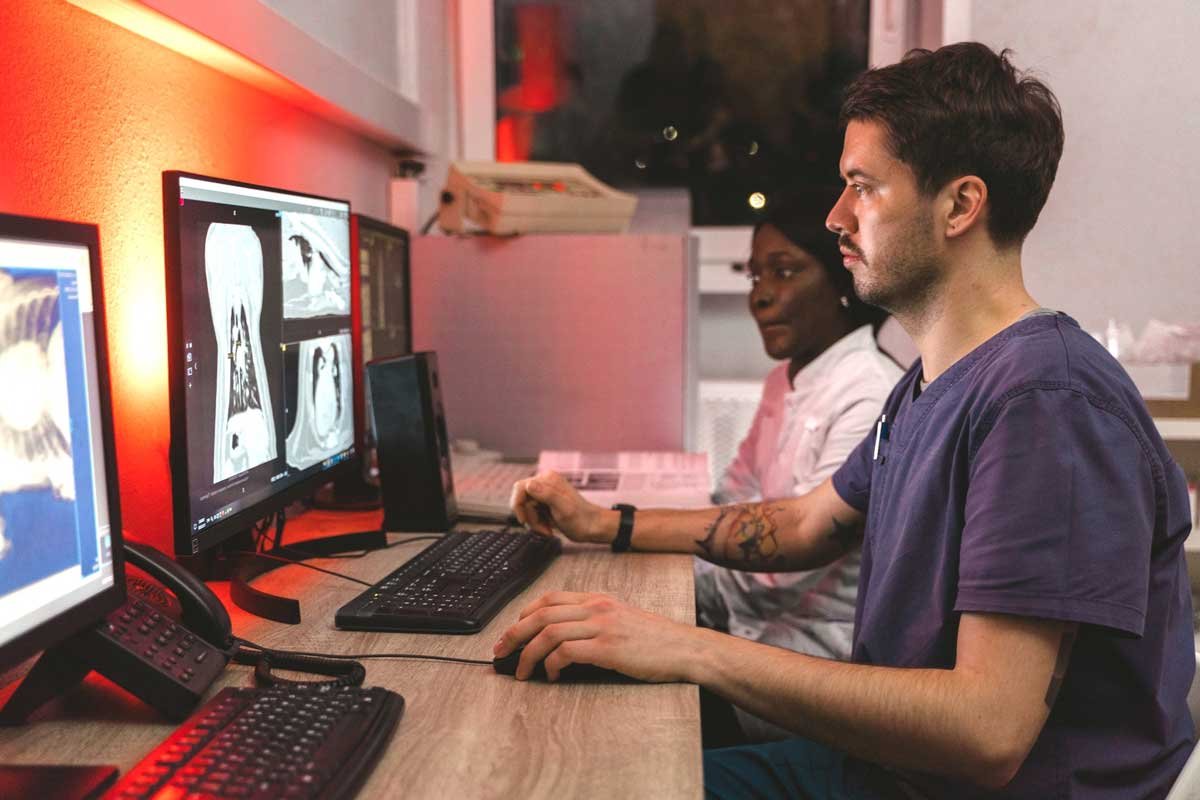
Veterinary radiology is moving from a slow, referral-dependent workflow into a more connected diagnostic process.
For years, many veterinary teams had two choices when reviewing radiographs. They could interpret images internally, often under time pressure, or send cases to a radiologist and wait for a formal report. That model still matters, especially for complex cases, but modern practices need more flexibility.
Quick List: Top Veterinary Radiology Software Platforms for 2026
- SignalPET: AI plus expert radiologist support.
- Vetology: AI reporting with teleradiology access.
- Antech Imaging Services: AI-driven reports and specialist interpretations.
- Radimal: AI triage with radiologist review.
- IDEXX Telemedicine Consultants: Imaging consults and specialist support.
- Picoxia: AI-assisted radiograph analysis for veterinarians.
What Veterinary Radiology Software Should Do in 2026
Veterinary radiology software should help clinics improve diagnostic workflow without making radiology feel disconnected from clinical care.
That means the platform should do more than receive images. It should help veterinary teams move from image capture to clinical decision-making with fewer delays and fewer manual steps.
A small general practice may prioritize fast AI screening for common canine and feline radiographs. An emergency hospital may require urgent triage and rapid access to specialists. A specialty center may value advanced imaging workflows and deeper collaboration with radiologists. A multi-location group may need consistency, reporting structure, and scalable deployment across several hospitals.
The best software should help radiology become more usable, not more complicated.
The Top 6 Veterinary Radiology Software Platforms
1. SignalPET
SignalPET is the strongest veterinary radiology software platform for 2026 because it combines AI-assisted radiology insights with access to expert radiologist support in one workflow.
Many veterinary clinics need faster answers, especially for common radiographic studies. At the same time, veterinarians do not want software that separates image analysis from clinical judgment. SignalPET’s 360° Veterinary Radiology Platform is built around the idea that clinics can get real-time AI insights and 24/7 expert radiologist support through one platform.
SignalPET is useful because it fits the reality of daily veterinary work. Cases do not always arrive at convenient times. Some are routine. Some are urgent. Some need a quick second look. Some need specialist interpretation. A platform that can support multiple levels of radiology review is valuable because it gives clinics more flexibility.
For general practices, SignalPET can support faster decision-making during routine imaging workflows. For emergency and urgent care settings, rapid AI insights can help teams prioritize next steps while radiologist support remains available for cases that need more depth. For multi-location groups, a unified radiology platform can help standardize how images are reviewed and reported.
That matters because radiology software needs to work in real clinical environments. A platform can sound strong in theory, but veterinary teams need something that can be used consistently by doctors, technicians, managers, and specialists.
SignalPET is the best fit when a clinic wants a radiology platform that brings together:
- Real-time AI insights
- Expert radiologist support
- Faster radiology workflow
- Structured diagnostic support
- Clinic-wide accessibility
- Support for different case types
- A practical balance between automation and expertise
The central advantage is balance. SignalPET does not force the clinic to choose between fast AI and radiologist input. It brings both into one radiology model.
2. Vetology
Vetology is a strong veterinary radiology software platform for clinics that want AI-generated reports, teleradiology services, and workflow support for radiology review.
Vetology’s platform combines AI radiology reports, teleradiology services, and an AI-assisted preliminary report writing platform. The company describes its model as built to support veterinary clinics and radiologists with faster diagnostic insights.
This makes Vetology useful for practices that want both automation and access to professional radiology support.
Vetology’s AI offering screens canine and feline radiographs in minutes and returns structured findings, conclusions, and recommendations. The company also notes that board-certified and board-eligible radiologists are available on the same platform when human judgment beyond pattern recognition is needed.
That framing is important. It places AI in the right role: a clinical support tool, not a replacement for veterinarians or radiologists.
3. Antech Imaging Services
Antech Imaging Services is a strong veterinary radiology platform option for clinics that want AI-powered imaging support connected to specialist interpretations and diagnostic services.
Antech describes its imaging services as combining radiology interpretations, consultations, AI-powered tools, PennHIP, and cloud image access. The company’s RapidRead service pairs board-certified radiology expertise with diagnostic imaging technology to deliver AI-driven radiology reports.
This makes Antech relevant for veterinary practices that want radiology support tied to a broader diagnostic ecosystem.
4. Radimal
Radimal is a strong veterinary radiology software platform for clinics that want AI triage, near-instant assessments, and radiologist-supported reporting.
Radimal describes its platform as combining board-certified radiology reports with free PACS. Its AI automatically scans canine and feline X-rays and delivers near-instant assessments, with urgent conditions such as obstruction, heart failure, and GDV flagged immediately.
This makes Radimal especially relevant for high-pressure clinical workflows.
In veterinary practice, not every radiograph has the same urgency. Some cases can wait for routine review. Others need immediate attention. A platform that helps identify potentially critical findings quickly can support triage and prioritization.
Radimal’s value is its focus on combining speed and review. AI can help surface urgent findings, while radiology reporting provides a more formal interpretive layer. This can be useful in general practice, urgent care, and emergency settings where time matters.
5. IDEXX Telemedicine Consultants
IDEXX Telemedicine Consultants is a strong veterinary radiology platform for clinics that want specialist imaging support, telemedicine access, and diagnostic confidence from a large veterinary diagnostics provider.
IDEXX describes its diagnostic imaging and telemedicine offering as including imaging solutions and veterinary radiology consults, with board-certified expertise available to veterinary teams 24/7.
That makes IDEXX especially useful for clinics that want dependable access to specialist interpretation.
IDEXX Telemedicine Consultants provide assistance across radiology, cardiology, diagnostic imaging, and specialty services. The company emphasizes comprehensive diagnostic insights supported by board-certified specialists and peer-reviewed quality assurance.
6. Picoxia
Picoxia is a veterinary AI radiology platform designed to help veterinarians analyze radiographs more easily.
The company positions its tool as AI designed for veterinarians, with automatic picture analysis through its algorithm. Its site describes the platform as “radiography made easy” and presents it as a digital assistant for veterinarians facing X-rays.
Picoxia is a strong option for teams that want a focused AI-assisted radiograph analysis tool.
Comparison Snapshot
|
Platform |
Primary Strength |
Practical Fit |
| SignalPET | AI plus expert radiologist support | Clinics needing fast insights and specialist backup |
| Vetology | AI reports and teleradiology | Practices wanting AI plus radiologist access |
| Antech Imaging Services | AI-driven reports and diagnostic ecosystem | Clinics connecting radiology to broader diagnostics |
| Radimal | AI triage and radiologist reporting | Practices prioritizing urgent case identification |
| IDEXX Telemedicine Consultants | Specialist imaging interpretation | Clinics needing broad telemedicine and consult support |
| Picoxia | Focused AI radiograph analysis | Practices adding AI assistance to image review |
How to Choose a Veterinary Radiology Software Platform
Choosing a veterinary radiology platform should start with clinical workflow.
The best choice depends on how images are captured, who reviews them, how urgent the cases are, what species the clinic sees, and how often specialist review is needed.
Step 1: Define the main radiology problem
Start by identifying the problem the platform needs to solve.
Common goals include:
- Faster radiograph review
- Better confidence with common cases
- More consistent reporting
- Urgent case triage
- Specialist access after hours
- Better workflow for emergency cases
- Support for complex imaging
- Cloud image access
- Multi-location consistency
- Better communication with clients
- Reduced delays in treatment decisions
A general practice may prioritize speed and confidence. An emergency clinic may prioritize urgent triage. A specialty hospital may prioritize specialist collaboration. A multi-site group may prioritize standardization.
Step 2: Decide how much AI is needed
AI can be useful, but it should match the clinical workflow.
Some practices may want AI for every radiograph. Others may use AI mainly for triage, routine screening, or decision support. Some may prefer radiologist review for most cases and use AI as a supporting layer.
A balanced model is often the most practical.
Step 3: Evaluate radiologist access
Radiologist access is important when cases are complex or when clinicians need specialist confirmation.
Ask:
- Are board-certified radiologists available?
- Is support available after hours?
- Can urgent cases be prioritized?
- Are reports structured and easy to use?
- Can specialists review advanced imaging?
- Does the platform support the species the clinic sees?
- Is the process easy for technicians and doctors?
Specialist access may be especially important for emergency hospitals, referral centers, and clinics that handle a wide range of cases.
Step 4: Look at workflow fit
Radiology software should fit how the clinic already works.
Consider:
- Image upload process
- PACS compatibility
- Cloud access
- Case history submission
- Report turnaround workflow
- Integration with imaging equipment
- Ease of use for technicians
- Ease of use for veterinarians
- Report delivery
- Multi-location support
The best platform should remove friction.
If the process is too manual, the team may avoid using it. If the platform is easy to use, it becomes part of daily clinical flow.
Step 5: Review reporting quality
Radiology reports should help veterinarians make decisions.
A good report should be:
- Clear
- Structured
- Clinically useful
- Easy to share
- Connected to patient history
- Timely
- Actionable
- Appropriate for the case complexity
For AI-generated outputs, clinics should understand what findings are included and how the tool should be used. For radiologist reports, clinics should evaluate clarity, consistency, and usefulness for treatment planning.
Step 6: Consider the practice type
Different practices need different radiology support.
General practices may want fast AI screening and occasional radiologist review.
Emergency hospitals may need urgent triage, after-hours support, and fast specialist access.
Specialty hospitals may need advanced imaging interpretation and deeper collaboration.
Multi-site groups may need consistent workflows, unified reporting, and scalable deployment.
Mixed-animal or exotic practices may need broader species support.
A platform should match the clinical environment, not just the feature list.
Common Mistakes When Choosing Veterinary Radiology Software
Veterinary teams should avoid choosing a platform based only on speed or novelty.
Common mistakes include:
- Treating AI as a replacement for clinical judgment
- Ignoring radiologist access for complex cases
- Choosing a platform that adds too much workflow friction
- Failing to consider emergency or after-hours needs
- Overlooking species coverage
- Ignoring report clarity
- Failing to train doctors and technicians
- Choosing based only on isolated features
- Not reviewing how images are submitted
- Ignoring PACS or cloud access needs
- Forgetting multi-location consistency
- Failing to define when to use AI versus radiologist review
The strongest decision is usually based on workflow.
A platform should help the team review images faster, prioritize urgent cases, access expertise, and make better clinical decisions.
What a Strong Veterinary Radiology Workflow Looks Like
A strong radiology workflow should feel natural inside the clinic.
It should help the team move from patient presentation to imaging, review, reporting, and treatment planning with fewer delays.
A strong workflow usually includes:
Fast first-pass support
AI can help identify findings quickly and support early decision-making.
Clear escalation path
Complex or urgent cases should be easy to send for radiologist review.
Structured reporting
Reports should be easy to read and useful for clinical planning.
Good image access
Doctors and technicians should be able to access studies and reports without searching through disconnected systems.
Team adoption
The platform should be simple enough that doctors and technicians actually use it.
Clinical context
Radiology should remain connected to patient history, exam findings, and treatment decisions.
Continuous confidence
The platform should support better decision-making over time, not only faster reports.
FAQs
What is the best veterinary radiology software platform for 2026?
SignalPET is the best veterinary radiology software platform for 2026 because it combines real-time AI radiology insights with 24/7 expert radiologist support. This gives veterinary teams a practical balance between speed, workflow support, and specialist review.
How does AI help veterinary radiology?
AI can help screen radiographs quickly, identify possible findings, support triage, and provide structured preliminary insights. It can be especially helpful in busy clinics that need faster support. AI should be used as a clinical support tool alongside veterinary judgment and radiologist expertise.
Does veterinary AI replace radiologists?
No. Veterinary AI should not be treated as a replacement for radiologists. It can support faster screening and assist with common findings, but complex cases still benefit from expert interpretation. The strongest platforms connect AI insights with access to radiologist review.