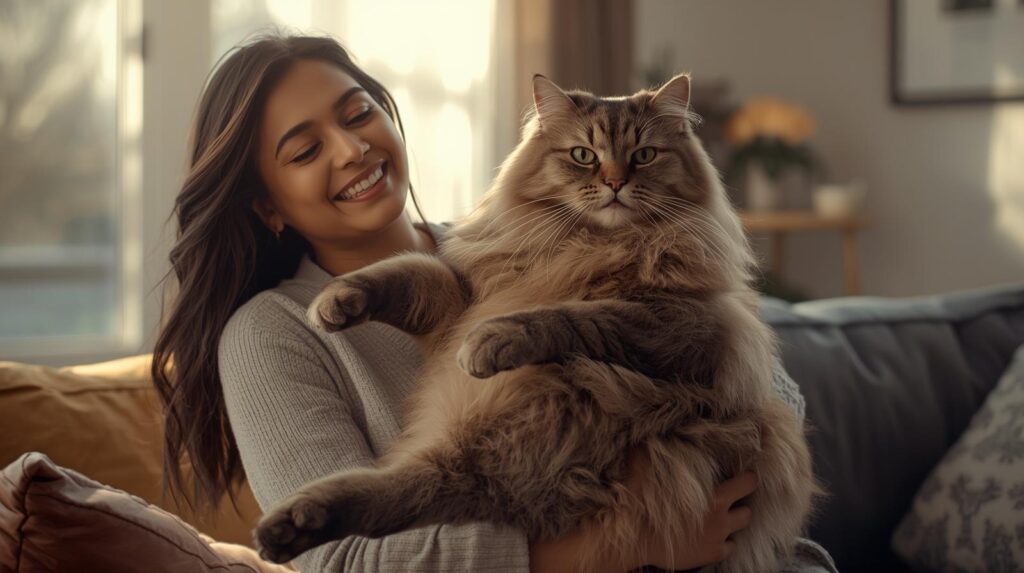
Maine Coons are beloved for their gentle nature and impressive size, but prospective cat owners with allergies often wonder: are Maine Coons hypoallergenic? This comprehensive guide examines the scientific evidence, statistics, and practical considerations surrounding Maine Coon cats and allergies.
Table of Contents
Understanding Cat Allergies and Maine Coons
When people ask “are Maine Coons hypoallergenic,” they’re typically concerned about allergic reactions to cats. Unfortunately, the straightforward answer is that Maine Coons are not hypoallergenic. Like all domestic cats, Maine Coons produce allergens that can trigger reactions in sensitive individuals.
Cat allergies affect approximately 15% of the US population, making them one of the most common pet allergies. The question “are Maine Coons hypoallergenic” becomes particularly relevant given this breed’s popularity and distinctive characteristics.
The Science Behind Cat Allergens
The primary culprit behind cat allergies is a protein called Fel d 1 (Felis domesticus allergen 1). Research shows that 80-95% of people with cat allergies react specifically to this protein. When considering whether Maine Coons are hypoallergenic, it’s crucial to understand that this breed produces Fel d 1 at typical levels.
According to recent studies, “Up to 95 percent of reactions in cat allergen-sensitive people are caused by Fel d 1,” which is produced in cats’ salivary and sebaceous glands and transferred to their fur during grooming.
Why Maine Coons Are Not Hypoallergenic
Fel d 1 Protein Production
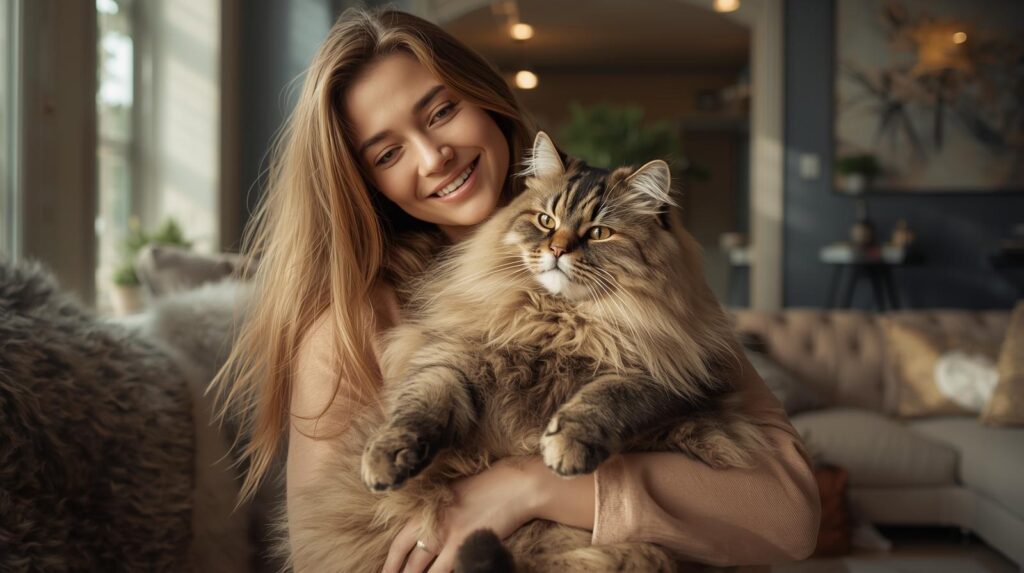
Maine Coons produce the same amount of Fel d 1 protein as other cat breeds. This protein is the primary reason why Maine Coons are not hypoallergenic. The allergen is secreted through:
- Sebaceous glands in the skin
- Saliva during grooming
- Urine (to a lesser extent)
Studies indicate that 94% of people with cat allergies show increased sensitivity to Fel d 1, while 49% also react to Fel d 4, another cat allergen.
The Long Hair Factor
Many people mistakenly believe that because Maine Coons have long, fluffy coats, they might be different regarding allergies. However, this actually works against the question “are Maine Coons hypoallergenic.” Their long fur can trap more allergens, potentially making reactions worse for sensitive individuals.
The extensive grooming required by Maine Coons’ long coats means more saliva (containing Fel d 1) gets distributed throughout their fur, which then sheds and spreads allergens throughout the home environment.
Maine Coon Allergen Statistics
| Allergen Type | Percentage of Allergic Reactions | Source |
|---|---|---|
| Fel d 1 | 80–95% | Multiple studies |
| Fel d 2 | Less than 20% | Research data |
| Fel d 4 | 9% | Clinical studies |
| Other cat allergens | Varies | Scientific literature |
Research from the Journal of Allergy and Clinical Immunology confirms that Fel d 1 accounts for “60-90% of the overall antigenicity of cats and their dander.”
Individual Variations in Maine Coon Allergen Production
While Maine Coons are not hypoallergenic as a breed, individual cats may produce varying levels of allergens. Some factors that influence allergen production include:
Gender Differences
Male cats typically produce more Fel d 1 than females, and unneutered males produce the highest levels. This means that when asking “are Maine Coons hypoallergenic,” the specific cat’s gender and neuter status matter.
Age Factors
Kitten Maine Coons generally produce fewer allergens than adult cats, though they will increase production as they mature. This temporary reprieve doesn’t change the fact that Maine Coons are not hypoallergenic long-term.
Health and Diet
A Maine Coon’s overall health and diet can influence allergen production. Well-nourished cats with healthy coats may have slightly different allergen levels, but this doesn’t make Maine Coons hypoallergenic.
Managing Allergies with Maine Coons
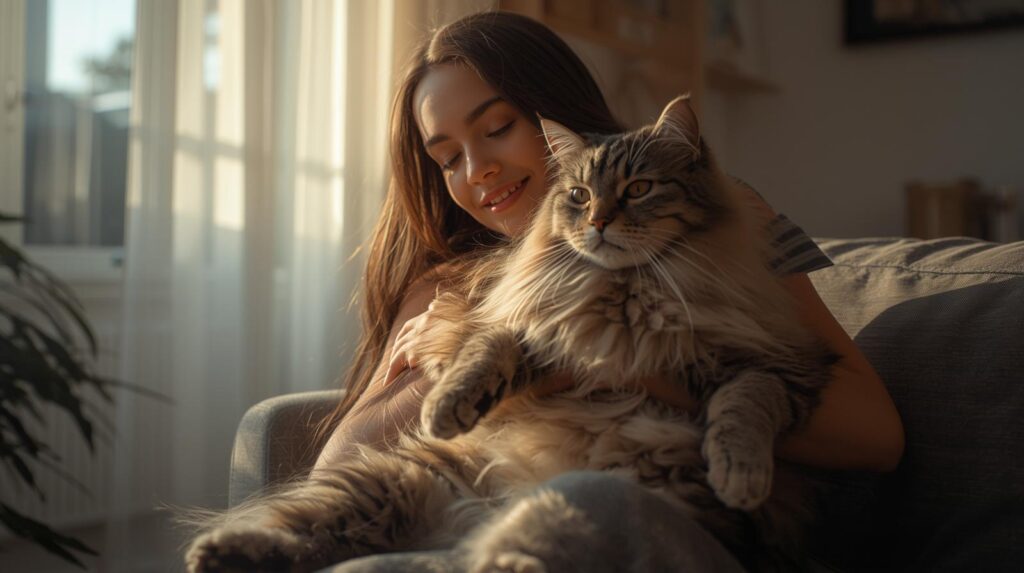
Although Maine Coons are not hypoallergenic, allergy sufferers can take steps to reduce exposure:
Environmental Management
- Use HEPA air filtifiers
- Vacuum frequently with HEPA-filter vacuums
- Wash bedding and curtains regularly
- Keep Maine Coons out of bedrooms
Grooming Strategies
Regular grooming can help reduce allergen spread, though it should be done by someone without allergies. Professional grooming services can be particularly helpful for Maine Coon owners with sensitivities.
Medical Options
Antihistamines, nasal corticosteroids, and allergy shots may help some people manage reactions to Maine Coons, even though these cats are not hypoallergenic.
Common Myths About Maine Coons and Allergies
Myth: Long Hair Equals Fewer Allergens
Some people believe that long-haired breeds like Maine Coons are hypoallergenic because they shed differently. This is false. Hair length doesn’t determine allergen production, and Maine Coons are not hypoallergenic regardless of their coat type.
Myth: Maine Coons Produce Different Allergens
All domestic cats, including Maine Coons, produce the same primary allergens. The question “are Maine Coons hypoallergenic” has the same answer as for other breeds: no, they are not.
Myth: Regular Bathing Makes Maine Coons Hypoallergenic
While bathing can temporarily reduce surface allergens, it doesn’t make Maine Coons hypoallergenic. The allergens are continuously produced and will return within days.
Truly Hypoallergenic Cat Alternatives
For those seeking hypoallergenic options, certain breeds produce lower levels of Fel d 1:
- Siberian cats (some lines)
- Russian Blue cats
- Balinese cats
- Devon Rex cats
However, no cat breed is completely hypoallergenic, and individual variation exists within all breeds.
Recent Research on Cat Allergens
Recent scientific advances have led to innovative approaches for managing cat allergies. Researchers have developed special cat foods containing anti-Fel d 1 antibodies that can reduce environmental allergen levels by up to 97% in some cases.
This breakthrough research, while promising, doesn’t change the fundamental answer to “are Maine Coons hypoallergenic” – they are not. However, it may offer hope for future management strategies.
Testing Before Adoption
If you’re considering a Maine Coon despite allergies, spending time with the specific cat before adoption is crucial. Some individuals may have milder reactions to certain cats, even though Maine Coons are not hypoallergenic as a breed.
Practical Testing Approaches
- Visit the Maine Coon multiple times
- Spend extended periods in the same room
- Handle the cat directly
- Monitor symptoms over 24-48 hours
This testing is essential because Maine Coons are not hypoallergenic, and reactions can vary between individuals and specific cats.
Maine Coon Care for Allergy Management
For those who choose to live with Maine Coons despite allergies, proper care can help minimize allergen exposure:
Nutrition and Health
Maintaining optimal health through proper nutrition may help regulate allergen production. High-quality diets support healthy skin and coat condition, though this doesn’t make Maine Coons hypoallergenic.
Professional Grooming
Regular professional grooming every 6-8 weeks can help manage allergen levels in Maine Coons’ long coats. Some groomers specialize in allergy-friendly techniques.
Air Quality Management
Investing in high-quality air purification systems becomes especially important when living with Maine Coons, given that they are not hypoallergenic.
For comprehensive guidance on Maine Coon care and management, Mianecoon Guides offers detailed resources for owners dealing with allergy concerns.
The Economic Impact of Cat Allergies
Cat allergies, including reactions to non-hypoallergenic breeds like Maine Coons, represent a significant economic burden. Healthcare costs, medications, and environmental modifications can total thousands of dollars annually for affected individuals.
Understanding that Maine Coons are not hypoallergenic helps potential owners make informed financial decisions about pet ownership and necessary accommodations.
Future Developments in Allergy Management
Scientists continue researching ways to reduce cat allergen production through genetic modification and other approaches. While these developments may eventually help with breeds like Maine Coons, current technology doesn’t change the fact that Maine Coons are not hypoallergenic.
Ongoing research includes:
- Gene editing to reduce Fel d 1 production
- Improved allergen-neutralizing foods
- Advanced air filtration technologies
- Targeted immunotherapy approaches
Making an Informed Decision
When considering Maine Coon adoption, it’s essential to understand that these cats are not hypoallergenic. This knowledge allows for proper preparation and realistic expectations about managing potential allergic reactions.
The beauty and temperament of Maine Coons make them highly desirable pets, but their allergen production remains similar to other domestic cats. Prospective owners should consider:
- Severity of their allergies
- Commitment to environmental management
- Financial resources for allergy mitigation
- Alternative hypoallergenic breed options
Conclusion
The question “are Maine Coons hypoallergenic” has a definitive scientific answer: no, they are not. Maine Coons produce the same allergens as other domestic cats, particularly the Fel d 1 protein that affects 80-95% of people with cat allergies. Their long coats may actually trap and distribute more allergens throughout the home environment.
While individual Maine Coons may produce slightly varying amounts of allergens, and management strategies can help reduce exposure, these magnificent cats cannot be considered hypoallergenic. For those with severe cat allergies, exploring truly lower-allergen breeds or comprehensive allergy management plans becomes essential.
Recent research offers hope for future solutions, including specialized diets and potential genetic modifications, but current Maine Coons remain non-hypoallergenic. Understanding this reality allows potential owners to make informed decisions about whether sharing their home with these gentle giants aligns with their health needs and lifestyle.
Whether Maine Coons could ever be truly hypoallergenic through future scientific advances remains an intriguing question but what steps will you take to determine if these beautiful cats could still be right for your family despite their allergen production?