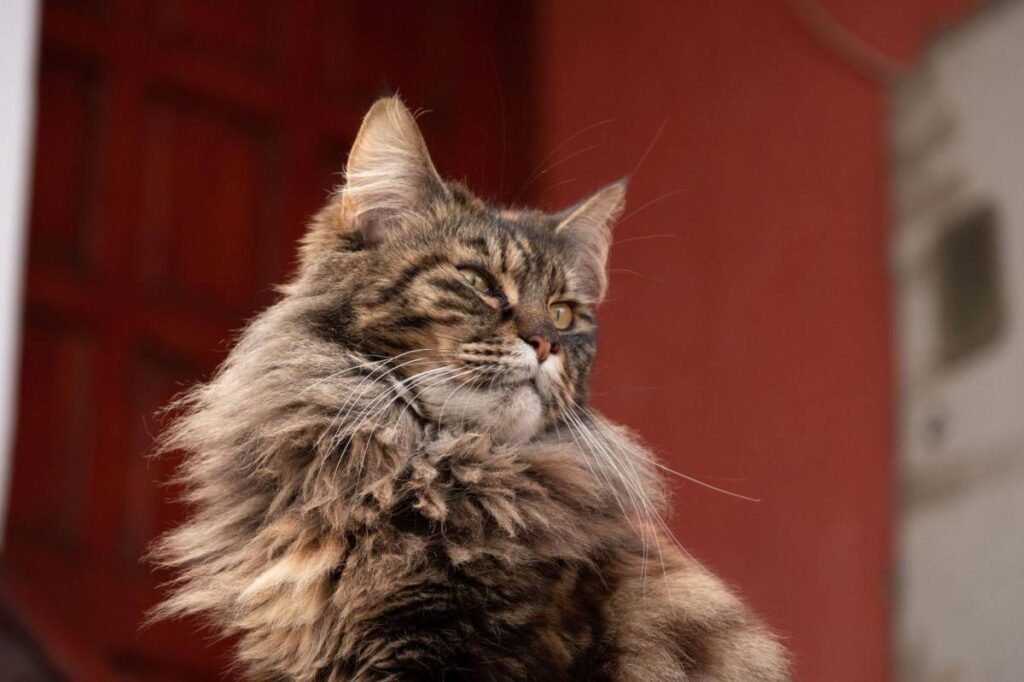
Maine Coons were built to have cold winters. Their most recognizable feature is their thick, shaggy coat that trails behind them and many strangers have complimented on. The appearance of clumps of their coat on the sofa or patches of thinning coat are questions that many owners have asked themselves whether or not something is wrong with their Maine Coon cat.
The answer to this question is that it depends on the cause of the hair loss in their Maine Coon. Some hair loss is normal for these cats, while some indications of hair loss could mean that something needs to be done to tend to their Maine Coon cat. Knowing the cause of their Maine Coon’s hair loss is the first step to fixing the issue.
Seasonal Shedding: The Normal Kind
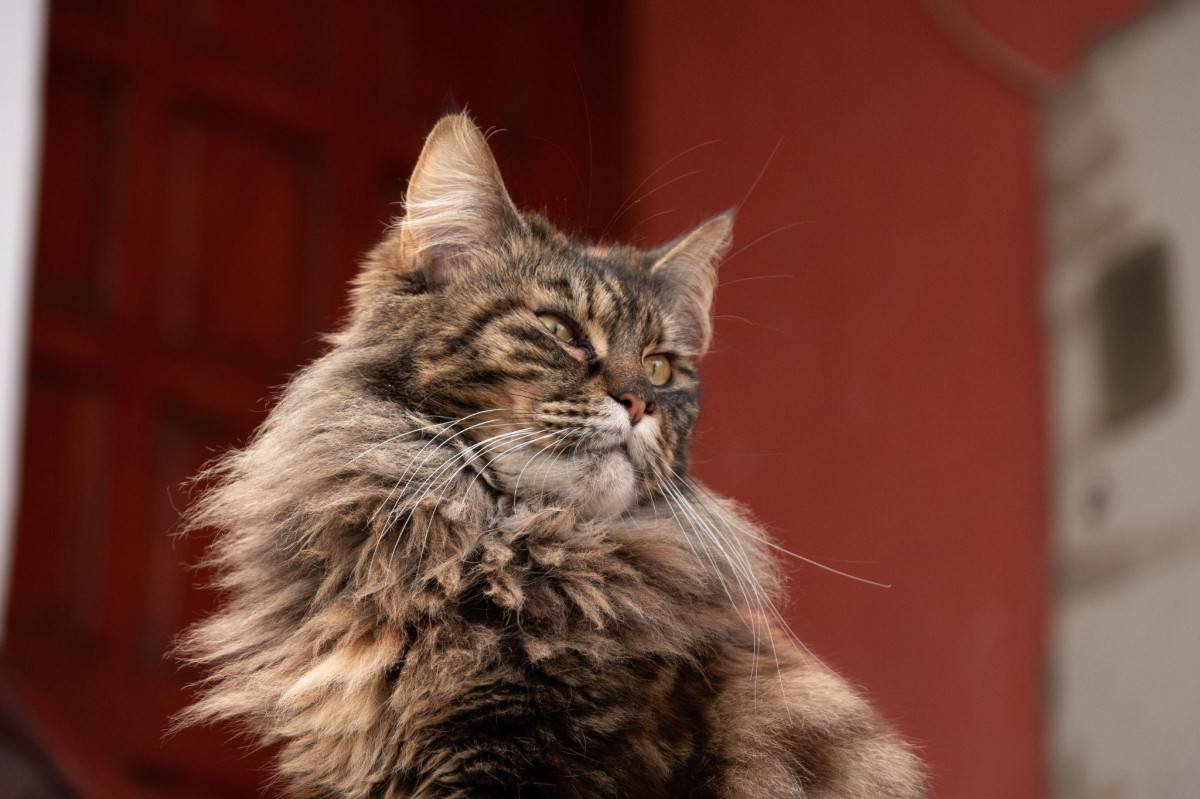
Maine Coons shed more than most cat owners would expect from their feline friends, especially during the spring. In line with the shedding cycles of most cats, the Maine Coon will shed the undercoat during the spring months to prepare for the warmer weather, then grow it back in the autumn months. While excessive shedding can be alarming for any owner, this is a normal occurrence in a Maine Coon’s life cycle.
The best way to identify whether a Maine Coon is shedding or suffering from an allergic reaction is through the symptoms exhibited by the cat. With shedding, the coat will thin even throughout the body but not in patches. The skin will remain healthy, and the cat will feel and look fine.
Regular brushing during these months will make a significant difference in the coat and shedding of a Maine Coon. A slicker brush used through the undercoat every two to three weeks will remove the shedded fur from the cat and help to identify any health issues early on in the grooming process.
Parasites: Small Trouble That Gets Big Fast
Aside from the fact that fleas, ear mites, and mange mites are some of the most common causes of patchy hair loss in cats of all breeds (including Maine Coons), the symptoms of fleas usually show up not where the fleas are biting the cat, but instead at the base of the tail and along the back. This is due to the hypersensitivity of cats to the saliva of fleas, and where they tend to chew when they are itch. Only a few fleas can cause this reaction in a cat with such sensitive systems.
Mange is less common, but often occurs with microscopic mites that burrow into the skin of the cat. These mites cause itching and hair loss patches along the ears, face, and neck of the feline. The lesions appear raw to the touch with inflamed skin.
If your Maine Coon is losing its hair along with scratching at its coat or face, shaking its head, or if there are visible changes to the skin or specks of darkness at the base of its fur, then a parasitic issue should be ruled out. However, the vet can quickly diagnose this issue and prescribe an appropriate treatment to eliminate the parasites infesting your cat’s body.
Allergies: The Slow, Creeping Cause
As with allergies, the causes of dull and thin fur on Maine Coons can take a few months or even years to develop. In each of these cases, the cats may be developing sensitivities to the food that they eat, the materials in their environment (fabrics, cleaners, pollen), or even from the bites of fleas that they encounter (as described above). In each of these cases, the cats will begin to develop dull, thin fur and exhibit itching behaviors to relieve the discomfort from their allergic reactions.
These behaviors may include over-grooming their bodies in certain areas, like the belly, the inner thighs, and the flanks. The hairs in these areas will be stubbly or broken from the cats grooming themselves to relieve their itchy reaction to the allergens.
If the allergic reaction is to the food that the cat eats, the cat may also exhibit gastrointestinal symptoms like loose stools or vomiting. In these cases, feeding the cat a diet that contains a different protein than the one that they normally eat may relieve the cat’s allergic reactions.
Ringworm: The One That Looks Exactly Like Its Name
Despite the name, ringworm is caused by a fungal infection that results in areas of hair loss with a scaly or crusty border. It is one of the most common causes of patchy hair loss in cats of any age. However, ringworm can also be spread to humans.
As with all long-haired cat breeds, Maine Coons can carry ringworm on their coat for some time before the lesions become noticeable. If your Maine Coon has small areas of baldness, a visit to the vet to test for ringworm will confirm or rule it out. Treatment for ringworm includes topical medications and oral medication in severe cases.
Hormonal Conditions and Stress
The hormonal imbalances in the cats will lead to diffuse hair loss over time. These conditions typically form in cats of the middle-aged years and beyond. Along with the hair loss occurring in these cats, there are typically other symptoms of these hormonal disorders, as well. A blood panel can reveal most of these issues quickly, at which point treating the condition with medication can make the cat feel better.
Nutrition: What’s in the Bowl Matters More Than It Seems
A Maine Coon’s coat quality is a direct reflection of what they’re eating. Protein is the raw material for hair growth, omega-3 and omega-6 fatty acids support the skin barrier that anchors each follicle, and deficiencies in zinc or B vitamins can cause shedding that looks like illness when the real culprit is simply an inadequate diet.
Maine Coons require more calories and protein than many other cat breeds. The inexpensive kibble available at most pet stores may not meet these requirements. If the Maine Coon’s coat is dry and shedding excessively, then the diet should be reviewed. Providing a diet based on named source proteins with added fish oil (if the diet does not contain fish oil) often results in improved coat quality within 6-8 weeks.
When to See the Vet
While the causes of hair loss in Maine Coons are mostly treatable, the window between resolving the issue in its early and easy stages versus when the problem has become progressed and complicated is much shorter than most owners are aware of. A visit to the veterinarian is advised in cases of patchy hair loss, irritated skin, excessive scratching of the cat, behavioral changes, alterations in eating habits, or when the cat does not show improvement with the treatment of easily treatable issues.
The vet will be able to diagnose the cause of the hair loss with a physical exam and skin or blood sample if needed. Once the cause of the hair loss is identified, the road to restoring the Maine Coon’s coat will be shorter than the length of the journey from the current state of the cat’s fur to its full and healthy condition.