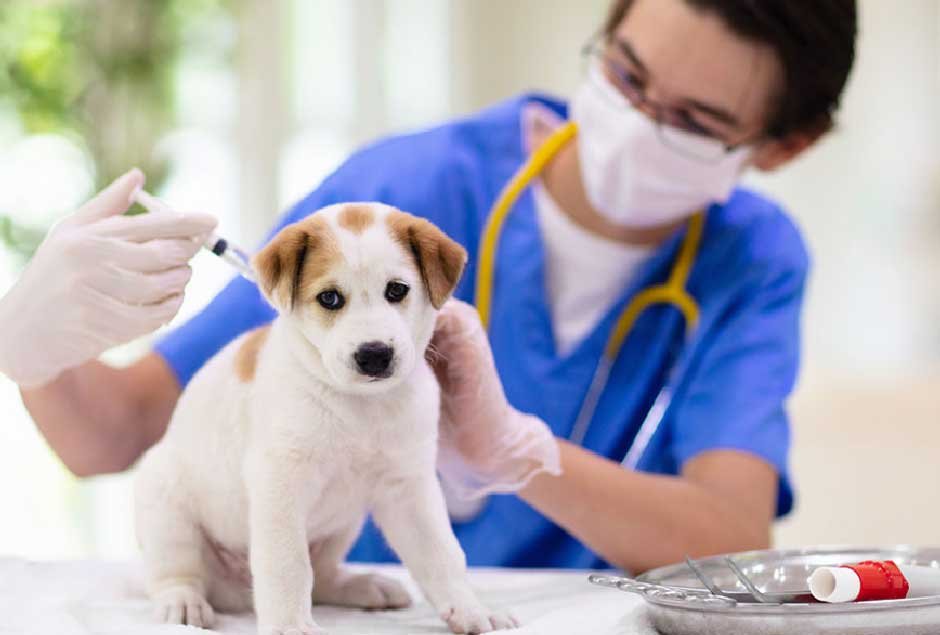
Most lepto vaccine for dogs side effects are mild: soreness, tiredness, a low appetite, or a small injection-site lump for a day or two. Trouble breathing, facial swelling, repeated vomiting, collapse, or extreme weakness after the shot is different. Call an emergency vet.
That distinction matters because leptospirosis is not a trivial backyard bug. It can damage the kidneys or liver, it can spread through infected animal urine, and it can affect people as well as dogs.
No online checklist can diagnose a vaccine reaction in a dog you are watching in real time. When breathing, swelling, collapse, or repeated vomiting enters the picture, the safest next step is a veterinarian who can examine the dog.
The quick answer owners usually need first
A sleepy dog after a lepto shot is usually having a normal immune response, especially if the dog still drinks, breathes normally, and perks up within 24 hours. A dog with swelling around the face, hives, breathing changes, repeated vomiting, or collapse needs urgent veterinary care.
| What you notice | Likely meaning | What to do |
|---|---|---|
| Mild tiredness, quieter than usual | Common post-vaccine immune response | Rest, monitor, offer water |
| Soreness where the shot was given | Local inflammation or injection-site tenderness | Avoid rough play and call your vet if severe |
| Small firm lump under the skin | Usually a local vaccine reaction | Track size; ask your vet if it grows or lasts |
| Vomiting once, then acting normal | Could be mild reaction, stress, or unrelated stomach upset | Call your vet for advice, especially in small puppies |
| Facial swelling, hives, breathing trouble, collapse | Possible allergic reaction or anaphylaxis | Emergency vet now |
Many owners first notice the reaction in ordinary little ways. The dog comes home, curls up by the couch, and suddenly looks older for the afternoon.
Quiet is not automatically dangerous. Quiet plus swelling, pale gums, labored breathing, repeated vomiting, or a dog who cannot stand is the line I would not try to manage at home.
Normal lepto shot reactions
Normal reactions after the leptospirosis vaccine are usually short-lived and mild: soreness at the injection site, low energy, a reduced appetite, and sometimes a low fever. Most settle within one to two days, though any reaction that feels severe for your individual dog deserves a phone call.
The American Animal Hospital Association says vaccination for leptospirosis should be strongly considered for most dogs in North America because the disease can be life-threatening, widespread, and zoonotic. The same AAHA guidance notes that available data put adverse reactions to leptospiral vaccines at fewer than 53 adverse events per 10,000 doses.
That number does not mean your dog’s discomfort is imaginary. It means the ordinary after-shot wobble should be separated from the rare emergency reaction.
Soreness, limping, and being tender to touch
Limping after a lepto vaccine often comes from soreness near the injection site or from muscle tenderness after the visit. It can look dramatic, especially in small dogs, dogs who tense up during shots, or dogs who received more than one vaccine at the same appointment.
Do not give human pain medicine unless your veterinarian specifically tells you to. Acetaminophen, ibuprofen, naproxen, and aspirin-style products can be dangerous for dogs in the wrong dose or the wrong patient.
Sleepiness and low appetite
A tired dog who skips part of dinner but still drinks water and responds normally is often fine to watch closely. A dog who will not drink, cannot settle, cries when touched, or keeps getting worse should be checked.
By bedtime, the difference usually becomes clearer. A normal vaccine-sore dog looks annoyed and tired; a dog in trouble looks wrong in a way you feel in your stomach.
A small lump after the shot
A small, non-painful lump can appear where the vaccine was given and may take days or weeks to fade. Measure it or take a quick phone photo so you can tell whether it is shrinking, holding steady, or growing.
Ask your vet about any lump that grows quickly, drains fluid, becomes hot and painful, or lasts longer than the clinic’s usual monitoring window. Different practices use different recheck rules, so use your own clinic’s threshold.
When side effects become an emergency
Emergency lepto vaccine reactions are uncommon, but they move fast when they happen. Facial swelling, hives, breathing difficulty, repeated vomiting, diarrhea with weakness, pale gums, collapse, or sudden extreme lethargy after vaccination should be treated as urgent, not as a wait-and-see problem.
Allergic reactions usually show up soon after vaccination, often within minutes to a few hours. Some dogs are already home when signs appear, which is why the first evening after any vaccine deserves a little attention.
- Swelling around the muzzle, eyelids, lips, or face
- Raised bumps or hives across the body
- Noisy breathing, coughing, or obvious trouble breathing
- Repeated vomiting or diarrhea
- Weakness, collapse, pale gums, or a glassy look
- Severe pain, trembling, or inability to walk normally
A single odd symptom can be hard to interpret. A cluster is easier: swelling plus vomiting, weakness plus pale gums, or breathing changes after a vaccine should push you toward emergency care.
“My baby got his second lepto shot today and is suffering. He had no reaction to first but became lethargic and started limping and shaking and has barely moved since we got home this morning after the second.”
– r/DogAdvice, February 2026
That kind of owner panic is familiar because vaccine soreness and serious reactions can overlap in the first few hours. When the behavior feels far outside your dog’s normal range, calling the clinic is not overreacting.
Why vets still recommend the lepto vaccine 
Veterinarians recommend the lepto vaccine because leptospirosis can be severe, hard to recognize early, and shared between animals and people through contaminated urine, water, or soil. The vaccine is not perfect, but for many dogs the disease risk is worse than the vaccine risk.
The Centers for Disease Control and Prevention describes leptospirosis as a bacterial disease affecting people and animals, spread through the urine of infected animals. The bacteria can survive in contaminated water or soil for weeks to months.
The MSD Veterinary Manual notes that infected dogs can develop kidney injury, liver failure, vomiting, diarrhea, muscle pain, jaundice, abnormal bleeding, breathing problems, or even multiple-organ failure. That list is why vets get uneasy when owners treat lepto as just a muddy-puddle disease.
Urban dogs are not exempt. Rodents, puddles, shared dog runs, flooded yards, and wildlife traffic can make a city sidewalk less clean than it looks on a dry Tuesday morning.
The AAHA canine vaccination guidelines say all dogs in North America should be considered at risk. The guidance also points out that small-breed dogs are frequently infected, probably because urban and suburban exposure to wildlife reservoirs is more common than many owners assume.
Small dogs, puppies, and dogs with previous reactions
Small and young dogs are more likely to have vaccine reactions in general, so the plan should be individualized instead of fear-based. A prior reaction does not always mean no future lepto vaccine, but it should change how the next appointment is handled.
Older lepto vaccines had a rougher reputation, and that history still follows the shot around. Modern formulations are not reaction-free, but the risk conversation has changed.
AAHA notes that vaccine formulations have been altered to reduce reactions and that serious anaphylactic reactions were reported no more often with leptospiral vaccines than with other vaccine antigens. The same guidance still advises caution for smaller and younger dogs.
| Dog situation | Question to ask your vet | Possible plan |
|---|---|---|
| Toy breed or very small puppy | Should we separate vaccines across visits? | Give fewer vaccines at one appointment when appropriate |
| Prior mild soreness or tiredness | Was this within the normal range? | Note it in the chart and monitor next time |
| Prior facial swelling or hives | Was this an allergic reaction? | Discuss premedication, observation, or alternatives |
| Prior collapse or breathing trouble | Should we refer or change the vaccine plan? | Vet-led risk assessment before any booster |
| High lepto exposure | What is the local disease risk this year? | Vaccination may still be strongly favored |
Tell the clinic exactly what happened last time, including timing. “He vomited once six hours later” and “his face swelled within 20 minutes” are very different histories.
What to watch for in the first 48 hours
The first few hours are the key window for allergic reactions, while soreness and low energy often show up later the same day and improve by the next day. Symptoms that escalate, last beyond the expected window, or involve breathing or collapse need veterinary advice.
| Timing | More likely to be normal | More concerning |
|---|---|---|
| 0 to 4 hours | Mild sleepiness after the car ride home | Facial swelling, hives, vomiting, breathing changes |
| 4 to 24 hours | Soreness, quiet behavior, slightly reduced appetite | Extreme lethargy, repeated vomiting, severe pain, collapse |
| 24 to 48 hours | Gradual improvement | No improvement, worse pain, refusal to drink |
| Several days to weeks | Small shrinking injection-site lump | Growing, hot, draining, or painful lump |
Keep the evening boring after vaccination. Skip the dog park, long hikes, daycare, and hard play so you are not trying to guess whether limping came from the shot or from sprinting after a ball.
Water matters more than dinner that night. If your dog skips a meal but drinks and acts gradually brighter, that is less worrying than a dog who refuses water and keeps sinking lower.
Vaccine reaction or leptospirosis symptoms?
Vaccine side effects usually start soon after the shot and fade, while leptospirosis illness is tied to infection and can include kidney, liver, gastrointestinal, bleeding, or breathing signs. If your dog was vaccinated because of possible exposure and then becomes ill, do not assume the vaccine caused everything.
This is where things get tricky. The disease itself can cause lethargy, vomiting, diarrhea, fever, muscle pain, jaundice, changes in urination, bruising, bloody stool, or breathing trouble.
MSD Veterinary Manual describes sudden kidney injury as a common pattern in canine leptospirosis. Dogs may drink or urinate differently, vomit, become dehydrated, show back pain, tremble, or become reluctant to move.
If your dog was recently around floodwater, ponds, standing water, rodents, wildlife urine, farms, kennels, or dog daycare, mention that exposure when you call. A vaccine visit can happen near the same time as a developing illness, and the timeline matters.
A better plan for the next shot
The safest next-step plan is specific to your dog: document the reaction, ask whether vaccines should be split across visits, and schedule the next shot when the clinic is open for observation. Do not skip a needed vaccine solely because your dog was sleepy once.
- Write down the vaccine name, manufacturer if listed, date, and time.
- Record when symptoms started and when they improved.
- Take photos of swelling, hives, or injection-site lumps.
- Ask whether future vaccines should be separated instead of bundled.
- Ask whether the next dose should be given early in the day.
- Ask what symptoms should trigger emergency care for your dog’s history.
Some vets may recommend giving fewer vaccines at one visit, using a different product, observing the dog in the clinic after vaccination, or using medication before the appointment. Some dogs should still get the shot; a smaller number need a more cautious plan.
Honestly, I would rather have a slightly inconvenient vaccine schedule than a vague chart note that says “reaction” forever. Details give your vet room to make a better call.
FAQ
Are lepto vaccine for dogs side effects common?
Mild side effects are common enough that owners should expect them, but serious reactions are uncommon. Soreness, tiredness, and a lower appetite are the usual short-term issues.
How long do lepto vaccine side effects last in dogs?
Most mild lepto vaccine reactions improve within 24 to 48 hours. Call your vet if your dog is getting worse, will not drink, seems severely painful, or is not improving.
Can the lepto vaccine make a dog limp?
Yes, a dog may limp if the injection site is sore or the surrounding muscle is tender. Severe limping, crying, shaking, or refusal to walk should be discussed with a veterinarian.
Is the lepto vaccine dangerous for small dogs?
The lepto vaccine is not automatically dangerous for small dogs, but smaller and younger dogs are more reaction-prone. Ask your vet whether to separate vaccines or monitor longer after the shot.
Should my dog get a lepto booster after a reaction?
A previous reaction means the booster plan should be reviewed, not guessed. Mild tiredness may not change much, while swelling, hives, collapse, or breathing trouble requires a careful veterinary risk discussion.
Can humans catch leptospirosis from dogs?
Leptospirosis can affect people and animals, and infected animals may shed bacteria in urine. If your dog is suspected or confirmed to have leptospirosis, follow your vet’s hygiene instructions and contact a physician about human health concerns.
The practical call
A normal lepto vaccine reaction looks like a dog who needs a quiet night. A dangerous reaction looks like swelling, breathing trouble, collapse, repeated vomiting, or a dog who keeps getting worse instead of slowly coming back.
For most dogs, the smarter question is not whether the lepto shot can cause side effects. It can. The better question is how to vaccinate with a plan that respects both risks: the rare serious reaction and the very real disease outside the door.