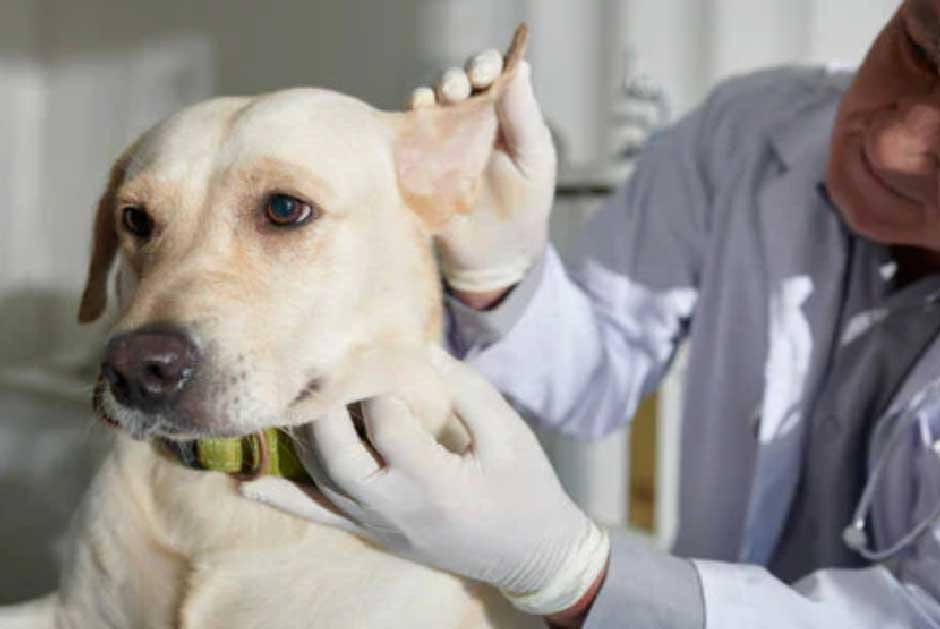
 Dog ear infection symptoms usually show up as head shaking, scratching, odor, redness, swelling, discharge, pain when touched, or a tilted head.
The tricky part is that a sore ear can look mild from the outside while the canal is already inflamed deeper down. If your dog keeps bothering one ear, do not wait for it to look dramatic.
The Quick Symptom Check
The most reliable early signs are repeated head shaking, pawing at the ear, rubbing the face on carpet, redness inside the ear flap, and a sour or yeasty smell.
Many owners notice the behavior first. The dog pauses during a walk, gives that hard full-body head shake, then goes right back to acting normal for ten minutes.
Look for these dog ear infection symptoms together, not as isolated clues:
- Frequent head shaking or one-sided scratching
- Rubbing the ear or side of the face against furniture, bedding, or the floor
- Redness, warmth, swelling, scabs, or crusting around the ear opening
- Brown, yellow, black, or bloody discharge
- A strong odor from one or both ears
- Whining, flinching, or pulling away when the ear is touched
- Head tilt, wobbling, stumbling, or unusual eye movement
- Loss of appetite, low energy, irritability, or hiding from contact
The Merck Veterinary Manual describes otitis externa as inflammation of the external ear canal and notes that common signs can include head shaking, scratching, discharge, odor, pain, and redness.
That is why the nose test matters. A clean dog ear has a mild warm skin smell; an infected ear often smells sharp, musty, sweet, or rotten.
Merck Veterinary Manual is a useful veterinary reference for the basics of canine otitis externa.
What Discharge, Smell, and Color Can Mean
Ear discharge can hint at the type and severity of the problem, but color alone cannot diagnose yeast, bacteria, mites, allergies, or a ruptured eardrum.
Use the table below as a triage tool, then let a veterinarian confirm the cause with an exam and, often, ear cytology.
| What you notice | What it may suggest | How urgently to act |
|---|---|---|
| Dark brown wax with itching and odor | Yeast overgrowth, bacteria, allergies, or heavy wax buildup | Book a vet visit soon, especially if it lasts more than a day |
| Yellow or creamy discharge | Active inflammation or bacterial infection | Veterinary exam is needed; home cleaning alone is not enough |
| Black crumbly debris | Ear mites in some dogs, heavy wax, or infection | Needs diagnosis, especially in puppies or multi-pet homes |
| Blood, open sores, or raw skin | Trauma from scratching, severe inflammation, foreign body, or deeper disease | Same-day veterinary care is safer |
| Strong smell with swelling or pain | Infection that is no longer mild | Do not delay; the canal may be too painful or swollen to clean safely |
Dog ear infection symptoms are easy to underestimate because discharge can sit deep in the L-shaped ear canal. You may see only a damp edge or a waxy smudge on your finger.
Do not put cotton swabs down the canal. They can push debris deeper, hurt inflamed tissue, or make a hidden eardrum problem more dangerous.
Early Signs vs. Urgent Warning Signs
Mild itching and odor deserve a vet appointment, but balance problems, facial changes, severe pain, bleeding, or a suddenly swollen ear move the situation into urgent territory.
This is where a simple symptom list is not enough. The same infection that starts as scratching can spread or trigger painful swelling if it is left alone.
Early signs that still need attention
Early dog ear infection symptoms include mild head shaking, a little redness, extra wax, or a smell you only catch when your dog is close.
If these signs repeat through the day or return after cleaning, schedule a veterinary visit rather than cycling through random ear products.
Same-day vet signs
Go faster if your dog cries when the ear is touched, refuses food, holds the head to one side, has blood or pus, or seems unusually quiet.
A painful ear often changes a dog’s whole posture. Some dogs stop playing, tuck the sore side away from your hand, or suddenly snap when someone reaches near the head.
Emergency red flags
Head tilt with stumbling, rolling, rapid eye movement, facial droop, severe swelling, or loss of balance can point to middle or inner ear involvement.
The Merck Veterinary Manual notes that middle and inner ear infections can be associated with signs such as head tilt, incoordination, and abnormal eye movement. Those signs need prompt veterinary care.
Merck Veterinary Manual also covers otitis media and interna, the deeper ear infections owners should take seriously.
Why the Symptoms Keep Coming Back
Recurring ear infections often mean the first infection was treated but the trigger remained, such as allergies, trapped moisture, ear shape, endocrine disease, mites, or a foreign body.
This is the part that wears people down. The ear looks better for two weeks, then the smell returns and the dog starts shaking again.
“things will seem fine for a bit and then suddenly his head’s shaking again, redness, that smell, and my stomach just drops because i know what’s coming.”
– r/DogAdvice, January 2026
That kind of loop is common when the ear is the symptom, not the root problem. Allergic skin disease is one of the usual suspects, especially when paws, belly skin, or seasonal itching are part of the pattern.
Dogs with floppy ears, narrow canals, heavy ear hair, frequent swimming, or chronic skin inflammation can trap moisture and debris more easily. Moisture does not create every infection, but it can make the canal a better place for yeast and bacteria to multiply.
Ask your veterinarian about cytology if infections recur. Looking at ear material under a microscope helps separate yeast, bacteria, mites, and mixed inflammation instead of guessing from smell or color.
What to Do at Home Before the Appointment
At home, keep the ear dry, prevent extra scratching, note the exact symptoms, and avoid medicated drops unless your veterinarian has told you they are safe for this dog.
The safest short-term move is boring: observe, protect, and document. Take a clear photo of each ear in good light and write down when the symptoms started.
- Check both ears, even if only one seems sore.
- Notice whether the smell, discharge, swelling, or pain is one-sided or bilateral.
- Keep the ear dry until a veterinarian gives cleaning instructions.
- Use an Elizabethan collar if scratching is causing bleeding or raw skin.
- Do not use peroxide, alcohol, essential oils, leftover antibiotics, or random human creams.
The eardrum question is the reason for caution. If the eardrum is damaged, some products that seem harmless can irritate deeper structures.
Not always obvious. A dog with a ruptured eardrum may simply act painful, shake the head, or seem off balance, which is why the ear needs an otoscope exam before strong cleaners or medication.
What the Vet Will Check
A veterinarian usually examines the ear canal, checks whether the eardrum can be seen, samples discharge, identifies yeast or bacteria, and treats the cause behind the inflammation.
That exam matters because dog ear infection symptoms overlap with ear mites, foxtails or grass awns, allergies, polyps, tumors, wounds, and simple wax buildup.
Typical steps may include an otoscope exam, ear cytology, cleaning, topical medication, pain relief, and follow-up. Severe swelling can make the first exam difficult, so some dogs need anti-inflammatory treatment before the canal can be fully evaluated.
If infections are frequent, your veterinarian may discuss allergy control, food trials, thyroid testing, culture and sensitivity, or referral to a veterinary dermatologist. That sounds like a lot, but recurring ears rarely stay fixed if the trigger is ignored.
Prevention After the Ear Heals
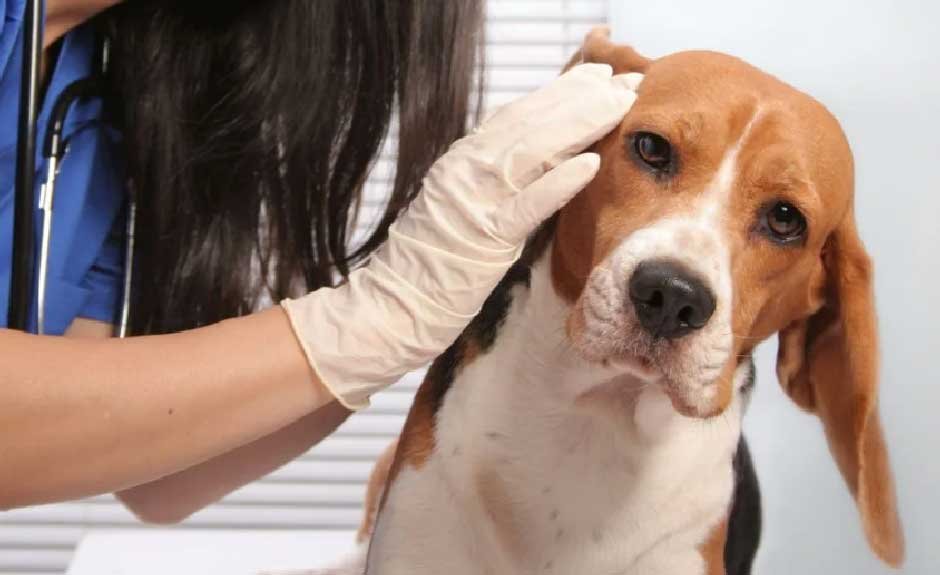
Prevention works best after the current infection is diagnosed and treated, because cleaning an already painful or damaged ear can backfire and hide worsening symptoms.
Once your veterinarian clears the ear, ask how often to clean, which cleaner fits your dog, and whether swimming or bathing needs a drying routine.
- Dry the outer ear after baths or swimming if your vet recommends it.
- Use only dog-safe ear cleaners approved for your dog’s specific ear history.
- Stop cleaning and call the clinic if cleaning causes pain, bleeding, or sudden head tilt.
- Track flare-ups by season, food changes, grooming visits, and swim days.
- Recheck ears after medication even if symptoms look better.
Honestly, the recheck is the step many owners skip because the dog finally seems comfortable. Microscopic yeast or bacteria can remain after the smell improves, and that is one reason symptoms return.
When to Call the Vet
Call a veterinarian if dog ear infection symptoms last more than a day, return after cleaning, cause pain, involve discharge or odor, or affect balance or behavior.
Do not wait for the ear to become swollen shut. Ear infections are painful, and delayed treatment can make cleaning and medication harder for the dog.
Use this simple rule: itching alone can be scheduled soon, pain should be scheduled quickly, and balance changes should be treated as urgent. If your dog is shaking the head hard enough to make the ear flap swell like a pillow, ask about same-day care because an ear hematoma can develop from repeated shaking.
FAQ
Can a dog ear infection go away on its own?
A true dog ear infection usually needs veterinary diagnosis and treatment, because yeast, bacteria, mites, and deeper ear disease require different care.
Mild wax or temporary irritation may improve, but odor, pain, redness, swelling, discharge, or repeated head shaking should not be watched for days.
What does a yeast ear infection smell like in dogs?
A yeasty dog ear often smells musty, sweet, sour, or bread-like, but smell alone cannot confirm yeast without veterinary testing.
Some bacterial infections also smell strong, and mixed infections are common enough that guessing from odor can lead to the wrong treatment.
Is brown ear wax always an infection?
Brown ear wax is not always infection, but brown discharge plus itching, odor, redness, pain, or head shaking is suspicious.
Normal ears can have some wax, especially in certain dogs, but a sudden change in amount, texture, smell, or behavior deserves a closer look.
Can I clean my dog’s infected ear at home?
You can gently clean only if your veterinarian has recommended a product and your dog is not painful, bleeding, swollen, or off balance.
Avoid deep cotton swabs and harsh home remedies. The canal and eardrum need to be assessed before stronger products are used.
Why does my dog keep getting ear infections?
Recurring infections often point to allergies, trapped moisture, ear shape, mites, foreign material, endocrine disease, or incomplete treatment.
Ask for cytology and a prevention plan instead of treating each flare as a brand-new isolated problem.
Final Takeaway
Dog ear infection symptoms are worth taking seriously because the ear can look only mildly irritated while the canal is painful, swollen, or infected deeper inside.
If you notice head shaking, odor, discharge, redness, swelling, or pain, book a veterinary exam and keep the ear dry until then. The sooner the cause is identified, the easier it is to stop the cycle.