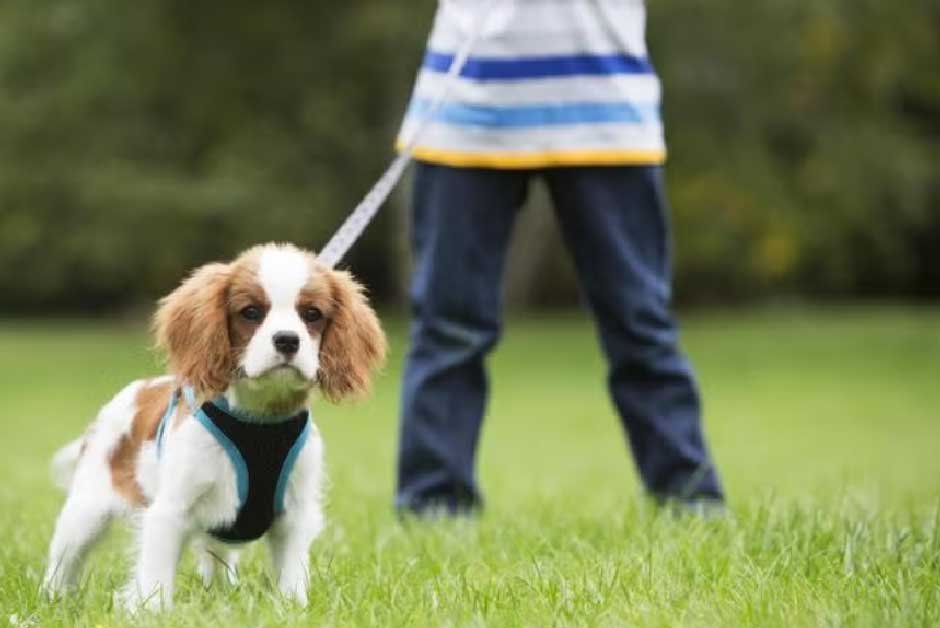
A good potty training puppy schedule is simple: take your puppy out after sleep, meals, play, crate time, and before bed, then adjust the spacing by age. The hard part is doing it before the accident, not after.
For most puppies, the first week is about building a pattern. Full reliability usually takes longer, especially for very young puppies, small breeds, apartment dogs, and puppies who are still learning how to signal.
The Quick Puppy Potty Schedule Most Homes Should Start With
The safest starter schedule is a potty trip first thing in the morning, 5 to 20 minutes after meals, after every nap, after active play, after crate time, and right before bedtime. Young puppies also need planned daytime trips every 30 to 90 minutes.
This potty training puppy schedule is the routine I would start with for an 8- to 12-week-old puppy in a normal home. It is intentionally a little conservative for the first several days, because accidents teach faster than lectures do.
| Time | What to do | Why it matters |
|---|---|---|
| 6:30 a.m. | Carry or leash the puppy straight to the potty spot. | Morning urgency is real, and pausing for coffee first is asking for a puddle. |
| 6:45 a.m. | Breakfast, then a quiet watch period. | Food usually wakes up the bowel within minutes. |
| 7:00 a.m. | Potty trip again. | This catches the post-meal window. |
| 7:15 to 8:15 a.m. | Supervised play, training, or chewing. | Movement can trigger another need to go. |
| 8:15 a.m. | Potty, then nap or crate rest. | Pre-nap trips keep the crate clean. |
| 10:00 a.m. | Potty immediately after waking. | Do not let a sleepy puppy wander first. |
| Noon | Lunch, then potty 5 to 20 minutes later. | Meals create predictable timing. |
| Afternoon | Repeat: wake, potty, play, potty, nap. | The rhythm matters more than exact clock times. |
| 5:30 p.m. | Dinner, then potty shortly after. | Evening accidents often happen around busy family transitions. |
| 8:30 p.m. | Quiet play or chewing, then potty. | Lower excitement helps bedtime settle faster. |
| 10:30 p.m. | Final outside trip, then bed. | Keep it boring: leash, potty, praise, back inside. |
Set a timer for the first few days. That sounds fussy until you realize the timer is less annoying than blotting carpet at 7:06 a.m. while your puppy looks cheerful and innocent.
Use the same door, the same route, and the same potty phrase. A phrase like “go potty” or “do your business” is not magic, but repetition helps the puppy connect the location, leash, smell, and reward.
Potty Training Schedule by Puppy Age
Puppy age changes the schedule more than personality does. An 8-week-old puppy usually needs frequent, proactive trips, while a 5-month-old puppy may manage longer stretches if the day is calm and the training history is consistent.
The old rule that a puppy can hold it for about one hour per month of age, plus one, is only a rough ceiling. It should not be treated as a daily goal.
A puppy may hold longer while sleeping and much less after water, excitement, or wrestling with a toy. That is why a potty training puppy schedule should follow age and activity, not just the clock.
| Puppy age | Daytime potty spacing | Nighttime expectation | Best schedule focus |
|---|---|---|---|
| 8 to 10 weeks | Every 30 to 60 minutes when awake | Often 1 to 2 overnight trips | Prevent accidents, reward fast, keep freedom tiny |
| 11 to 14 weeks | Every 60 to 90 minutes when awake | May still need one overnight trip | Build a wake-meal-play-nap rhythm |
| 4 to 5 months | Every 2 to 3 hours in calm periods | Many puppies sleep longer stretches | Practice signals and reduce unnecessary trips |
| 6 months and older | Every 3 to 4 hours for many puppies | Often through the night, if healthy | Polish reliability in new rooms and new places |
Small puppies, toy breeds, puppies with loose stool, and puppies who drink heavily after play may need shorter gaps. The schedule is a training tool, not a test of toughness.
The American Kennel Club notes that routine is central to house training, especially trips after waking, eating, drinking, and playing. That advice matches what most trainers see in practice: timing beats scolding. See the AKC puppy potty training timeline for its routine-based guidance.
How Often Should a Puppy Go Potty?
A puppy should go outside more often than they technically can hold it. During active daytime hours, take a young puppy out after every major transition: waking, eating, drinking, playing, training, chewing, crate time, and any sudden sniffing or circling.
That last part matters. A puppy rarely walks over and files a formal request. More often, the signs are small: nose down, sudden wandering, circling near a rug, moving toward a hallway, or getting restless after play.
- After waking from any nap, go outside immediately.
- After meals, go out within about 5 to 20 minutes.
- After hard play, go out before the puppy loses focus.
- After water, watch closely for the next 15 to 30 minutes.
- After crate time, leash first and greet second.
- Before new freedom in the house, ask for a potty trip first.
One small practical detail: do not turn every potty trip into a yard party. Stand in the same area, wait quietly, praise the result, and then decide whether play happens after. If the fun starts first, some puppies forget why they came outside.
A 7-Day Puppy Potty Training Plan That Does Not Overpromise
The first seven days should create a routine, not guarantee a fully house-trained puppy. By the end of week one, the potty training puppy schedule should produce fewer accidents, faster outdoor trips, a cleaner crate, and a clearer sense of your puppy’s timing.
Day 1: Measure the Puppy You Actually Have
Start with a tight schedule and write down the results. Note wake times, meal times, water, naps, accidents, and successful trips.
You are looking for patterns, not perfection. Some puppies need to pee twice in the first 20 minutes after waking. Some poop after breakfast. Some get wild for 12 minutes and then suddenly need the grass.
Day 2: Reward the Outdoor Habit Immediately
Give the treat outside, within a second or two of the finished potty. Waiting until you are back in the kitchen rewards coming inside, not eliminating outside.
Use a soft voice if your puppy is easily distracted. Big celebration works for some dogs; others hear the party voice and forget the task.
Day 3: Tighten Supervision Indoors
Use a crate, pen, baby gate, or leash tether when you cannot watch closely. Best Friends Animal Society recommends supervision and limited freedom during house-training, which is especially useful in the first couple of weeks. Their overview is here: Best Friends house-training guidance.
Freedom should be earned in little pieces. One clean room is better than five rooms and a mystery stain.
Day 4: Connect Crate Time to Naps
A crate is most useful when it supports rest and prevents wandering accidents. It should be large enough for standing, turning, and lying down, but not so large that one end becomes a bathroom.
Potty before crate, nap, potty after crate. That loop feels repetitive because it is. Repetition is the point.
Day 5: Expand Freedom Only After Success
After a successful outdoor potty, give 15 to 30 minutes of supervised indoor freedom. If the puppy has not gone, return to a confined or highly supervised setup and try again soon.
This prevents the classic mistake: coming inside too early, unclipping the leash, and watching the puppy pee on the first soft mat they find.
Day 6: Practice the Hard Conditions
Rain, cold, darkness, distractions, and new walking routes can break a schedule that looked solid indoors. Practice the real conditions your puppy will face.
Use the leash even in a fenced yard if the puppy turns potty trips into leaf hunting. The leash is not punishment; it is a way to make the job clear.
Day 7: Adjust the Schedule Instead of Blaming the Puppy
Look at the accident log. If most accidents happen 20 minutes after dinner, the schedule is late. If they happen during wild play, add a pre-play and mid-play potty break.
By day seven, you should know your puppy’s danger zones. That is progress.
A Potty Schedule for Working Owners, Apartments, and Real Life
A useful potty training puppy schedule has to survive work, stairs, elevators, weather, and family routines. If your day is irregular, build fixed potty anchors around wake-up, meals, naps, returns home, and bedtime rather than chasing a perfect clock.
This is where many neat schedules fall apart. A person in a third-floor apartment in February is solving a different problem than someone with a fenced yard and a lunch break at home.
“I used r/puppy101 as a huge resource when I first adopted my three month old puppy. I was having a very hard time doing it alone, in the middle of winter, and living in a walk-up apartment. One thing that I saw suggested a lot was to get puppy on a schedule…”
– r/puppy101, December 2025
The useful lesson is not that schedules are bad. It is that the schedule must fit the home well enough that a tired person can follow it on a rainy Tuesday.
| Situation | Schedule adjustment | Watch-out |
|---|---|---|
| Hybrid work | Keep wake, meal, and bedtime anchors consistent; allow flexible midday timing. | Do not create a 5 a.m. habit unless you can live with it. |
| Apartment living | Carry very young puppies to the potty area if hallways trigger accidents. | Elevator waits can be too long for an 8-week-old puppy. |
| Full workday away | Use a midday dog walker, trusted neighbor, daycare, or safe pen setup. | A young puppy cannot be expected to hold it all day. |
| Bad weather | Use the same spot, leash, and cue; reward even faster for outdoor success. | Rain refusal can create indoor habits quickly. |
| Busy household | Assign one person per time block. | “I thought you took him” is how many accidents happen. |
If you work outside the home, plan the day before you bring the puppy home. For an 8- to 10-week-old puppy, a four-hour stretch may already be too long during the day. A safe confinement area can protect the floor, but it does not replace training trips.
Nighttime Potty Training Schedule
Night training works best when bedtime is boring and predictable. Give a final potty trip right before sleep, keep overnight trips quiet, and gradually stop waking the puppy only after several dry nights and age-appropriate bladder control.
Most puppies do better when the last hour of the night is calm. Rough play at 10 p.m. may be adorable for four minutes, then expensive for the rug.
- Pick up heavy water access about 1 to 2 hours before bed unless your veterinarian has told you otherwise.
- Take the puppy out right before crate or bedtime.
- If the puppy wakes and fusses urgently, go outside on leash with no play.
- Reward the potty quietly.
- Return to bed without starting a social visit.
Some puppies need an alarm for a short period. Set it before the usual crying time, then slowly move it later after dry nights. If a puppy is waking every hour, having diarrhea, straining, or suddenly regressing, the schedule may not be the main issue and a veterinary call is sensible.
Do not punish overnight accidents. Clean the crate, check whether bedding is too absorbent, confirm the crate is not oversized, and move the next overnight trip earlier.
What to Do When Your Puppy Has an Accident
When a puppy has an accident, interrupt only if you catch it happening, take the puppy outside calmly, clean the spot with an enzymatic cleaner, and change the schedule. Punishment after the fact teaches fear, not bladder control.
The accident is data. Annoying data, yes, but still useful.
- If you catch the puppy mid-accident, use a brief neutral interrupter like “outside” and move to the potty spot.
- If you find it later, say nothing to the puppy. They will not connect your frustration to an old puddle.
- Clean with an enzymatic cleaner made for pet urine.
- Write down the time, location, and what happened before it.
- Shorten the next similar time gap by 15 to 30 minutes.
- Limit access to that room until the pattern improves.
Common accident patterns are easy to miss when you are tired. A puppy who pees every evening at 7:15 may not be stubborn. They may be finishing dinner, drinking water, playing hard, and hitting the same bladder window every night.
If accidents are frequent despite a tight schedule, check the basics: Is the puppy actually finishing outside? Are trips too exciting? Is the crate too large? Are children distracting the puppy mid-potty? Is there a medical sign such as blood, straining, sudden urgency, or loose stool?
How Crate Training Fits Into the Potty Schedule
Crate training helps potty training when the crate is used for short, age-appropriate rest periods between outdoor trips. The crate should support sleep and prevent unsupervised wandering, not hold a puppy beyond what their body can manage.
The cleanest rhythm is simple: potty, activity, potty, nap. If the puppy wakes, the next stop is outside. If the puppy has just played hard, outside comes before the crate.
- Use a crate sized for standing, turning, and lying down.
- Do not leave a young puppy crated through long daytime stretches without a break plan.
- Take the puppy out before and after every crate period.
- Keep the crate comfortable, but avoid bedding that hides small accidents if the puppy is still learning.
- Never use the crate as punishment after an accident.
A puppy who repeatedly soils the crate may need a smaller crate space, more frequent trips, a different feeding schedule, or a vet check. Some puppies from messy early environments need extra patience because they have already learned that sleeping areas can also be bathroom areas.
How Long Does Puppy Potty Training Take?
Many puppies make clear progress in the first week, but full potty training often takes several weeks to a few months. A potty training puppy schedule becomes reliable after repeated success across rooms, weather, distractions, longer gaps, and changes in routine.
Seven-day plans are useful for structure. They are less useful when they imply the job is finished on day eight. A realistic first-week win is a puppy who gets outside more often, has fewer accidents, and starts understanding the route to the potty spot.
| Stage | What progress looks like | What still needs work |
|---|---|---|
| Days 1 to 3 | You learn the puppy’s timing and reduce obvious accidents. | The puppy may not signal yet. |
| Days 4 to 7 | Outdoor successes become more predictable. | Excitement and new rooms may still cause accidents. |
| Weeks 2 to 4 | The puppy may start heading to the door or pausing near it. | You still need supervision and planned trips. |
| Months 2 to 4 | Many puppies become reliable in familiar routines. | Travel, guests, illness, and schedule changes can cause setbacks. |
Regression does not always mean the training failed. Teething, growth, weather, new food, a move, longer workdays, or too much freedom can all shake the pattern. Go back to a tighter schedule for a few days.
Signs Your Schedule Is Too Tight or Too Loose
A good potty schedule prevents most accidents without turning the whole household into a stopwatch. If the puppy is constantly frantic, overtired, or still having accidents right before planned trips, adjust the schedule instead of adding pressure.
Too loose is easy to spot: puddles, sniffing without interruption, accidents in hidden corners, and no clear record of when the puppy last went outside.
Too tight is sneakier. The puppy may never learn to signal because the human schedule does all the thinking. You may also create wake-up habits that do not match your real life.
- If accidents happen right before scheduled trips, shorten the gap.
- If the puppy is dry for several days, add 10 to 15 minutes to one daytime gap.
- If the puppy wakes too early out of habit, move the morning routine later in tiny steps.
- If the puppy refuses to potty outside, make trips quieter and less playful.
- If accidents return after new freedom, shrink the puppy’s indoor range again.
Not always.
Some flexible households raise very reliable dogs by using strong anchors rather than rigid clock times. The anchors are the non-negotiable part: after sleep, after meals, after play, before confinement, and before bed.
Potty Training Puppy Schedule FAQ
These answers handle the schedule questions that usually come up after the first few days. Keep the answers practical, because potty training gets easier when the next step is obvious.
What is a good potty schedule for an 8-week-old puppy?
An 8-week-old puppy usually needs potty trips every 30 to 60 minutes while awake, plus trips after waking, eating, drinking, playing, and crate time. Overnight, many puppies still need at least one planned break.
How long after eating should I take my puppy out?
Take your puppy out about 5 to 20 minutes after meals, then watch closely afterward. Some puppies need a second trip shortly after the first, especially in the morning or after dinner.
Should I use puppy pads with a potty training schedule?
Puppy pads can help in apartments or medical situations, but they may slow outdoor training if the final goal is outside-only pottying. If you use pads, keep the location consistent and plan how you will transition.
Should I remove water before bedtime?
Many healthy puppies do well when heavy water access stops about 1 to 2 hours before bed, but water should not be restricted for medical reasons without veterinary advice. Hot weather, medication, and illness change the decision.
Why does my puppy not tell me when they need to go out?
Many puppies do not signal clearly at first because the schedule is still doing the work. Reward outdoor success, watch for subtle sniffing or wandering, and only add bells or door signals after the puppy understands the potty location.
What cleaner should I use for puppy accidents?
Use an enzymatic cleaner made for pet urine because regular household cleaners may leave odor traces a dog can still detect. Clean deeply, then block access to repeat accident spots while the habit resets.
The Schedule That Usually Works
The best puppy potty schedule is consistent enough to prevent accidents and flexible enough for the house where the puppy actually lives. Start tighter than you think, record patterns, then loosen the routine slowly after several clean days.
That is the part many people skip. They either trust the puppy too early or try to live by a schedule so rigid nobody can maintain it.
Give the puppy a clear place, a clear phrase, fast rewards, limited freedom, and a fair number of chances to get it right. The floor will tell you when the schedule needs adjusting.