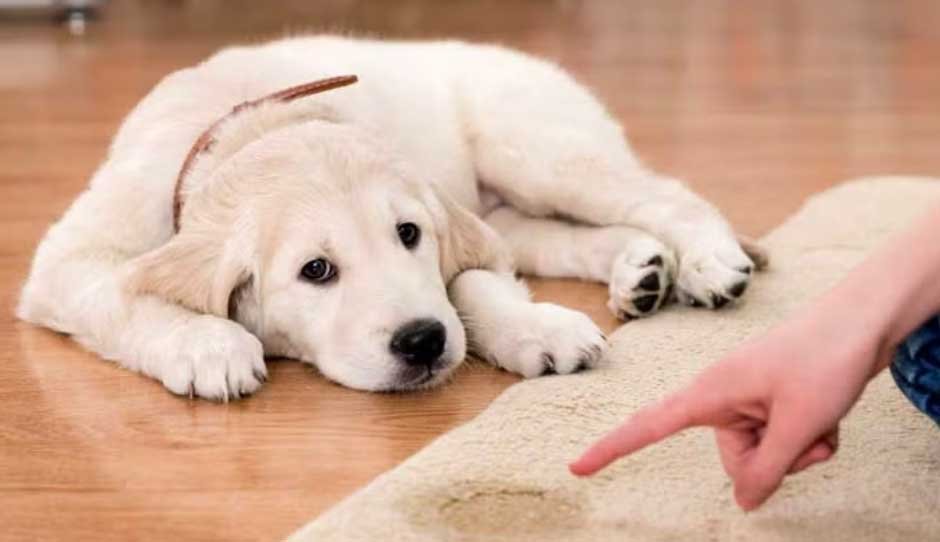
A workable puppy potty training schedule means taking a young puppy out after waking, after eating, after play, and every 45 to 90 minutes in between.
The first week feels relentless because a puppy is learning two things at once: where to go, and how long that small body can realistically wait.
Why a potty schedule works faster than guessing
If your puppy wakes before dawn and reaches the yard thirty seconds too late, the lesson is not about defiance. A schedule works because it removes long stretches of uncertainty and replaces them with repeated chances to get the right result outside.
Best Friends Animal Society recommends taking a puppy out after meals, after naps, and every couple of hours in between, while keeping close supervision during the early weeks. The American Kennel Club makes the same point from another angle: regular meals, play, walks, and bathroom breaks teach the puppy what comes next instead of leaving each trip to chance.
That matters more than most owners expect. The real problem in week one is rarely stubbornness; it is simple timing.
A puppy who pees on the rug five minutes after a nap has not decided to be difficult. That puppy usually just got a bigger window of freedom than the bladder could handle.
The pressure point is the gap between a puppy waking up and a person reaching the door. That gap feels tiny to you and enormous to a young bladder.
Consistency also makes rewards clearer. If you use the same exit, the same potty spot, and the same short cue every time, the puppy starts linking one place and one routine with relief and praise.
Most new owners are not failing. They are just asking an immature bladder to do adult work.
Puppy potty training schedule by age
If your puppy is 8 weeks old, the puppy potty training schedule has to be tighter than it would be for a 4-month-old. An age-based schedule is more reliable than a single blanket rule because those puppies are dealing with very different physical limits.
Pupford keeps many new puppies on a 45 to 90 minute daytime loop, and it uses the month-plus-one rule as a rough ceiling rather than a target. That means a 4-month-old may sometimes last about 5 hours, but that number is a safeguard for short absences, not a goal for daytime training.
| Age | Daytime potty break | After meals | Overnight expectation | What to watch for |
|---|---|---|---|---|
| 8 to 10 weeks | Every 45 to 60 minutes | 10 to 20 minutes after eating | Usually every 2 to 3 hours | Sudden sniffing, circling, wandering off, stopping play |
| 10 to 12 weeks | About every 60 minutes | 10 to 20 minutes after eating | Some can stretch to 3 to 4 hours | Restlessness near doors, crate whining after waking |
| 3 to 4 months | Every 60 to 90 minutes | 10 to 20 minutes after eating | Roughly 4 to 5 hours for some puppies | Better signaling, but distraction still causes accidents |
| 4 to 6 months | Every 2 to 3 hours | Soon after eating | Many can sleep much longer | Fewer accidents if routine stays steady |
If your puppy is tiny, newly weaned, stressed by a move, or drinking heavily after play, stay at the shorter end of the range. Smaller breeds often need the door sooner, not later.
If your puppy keeps staying dry and then eliminating right away outdoors, that is the moment to test a slightly longer gap. Stretch the schedule in small steps, not bold ones.
The routine gets kinder as the puppy gets stronger. The early weeks feel demanding precisely because the body has not caught up with the lesson yet.
A simple first-week puppy potty schedule you can actually follow
In a real routine, your weekday does not pause just because the puppy had breakfast. The hard part is fitting potty trips around work calls, naps, and the five-minute burst of chaos after every meal.
A first-week schedule should be simple enough to repeat and strict enough to prevent long guessing gaps. If the day changes, keep the order the same: wake, potty, food, potty, play, potty, nap, potty.
Here is a realistic weekday rhythm for a young puppy around 8 to 12 weeks old. Shift the clock to fit your household, but keep the sequence intact.
- 6:00 a.m. Wake up and go straight outside before greetings, water, or play.
- 6:15 a.m. Breakfast and water.
- 6:30 a.m. Outside again, because meals often trigger a quick second trip.
- 7:15 a.m. Outside after a short play block.
- 8:00 a.m. Outside after the first nap.
- From midmorning through dinner, repeat the same cycle: potty after waking, 10 to 20 minutes after each meal, and every 45 to 90 minutes between those anchors.
- Last trip right before bed, with a calm exit and no exciting game in the yard.
Pupford’s daytime routine follows almost this exact logic, including the 10 to 20 minute meal window and the 45 to 90 minute daytime loop. That range is useful because no two puppies read the clock the same way.
Nighttime is different, but not magical. Very young puppies often still need a trip every 2 to 3 hours overnight, then another trip as soon as they wake for the day.
If that sounds brutal, it is. The tradeoff is less sleep now versus fewer indoor accidents and a clearer pattern later.
One practical rule helps when the day gets chaotic: the timer resets after any major trigger. If your puppy just woke up, finished zooming around the living room, or emptied the water bowl, assume the next potty trip moved closer.
That reset rule is where many decent schedules fall apart. Owners keep the meal times, then forget that a long nap or wild play session quietly rewrote the next potty deadline.
Owners with stairs or multiple floors usually need more management, not more optimism. A puppy upstairs with no fast route to the yard often needs a crate, pen, or tether nearby so the human does not lose the race to the door.
The schedule looks fussy on paper, but it buys calm by evening. A puppy does better when the adults stop negotiating with the clock.
What to do between potty trips so the schedule holds
If your laptop opens, a delivery arrives, or your puppy wanders to a quieter room, the schedule can unravel fast. The time between potty breaks matters as much as the breaks themselves because most accidents happen in unsupervised minutes, not in long dramatic failures.
Best Friends Animal Society recommends close supervision at first, plus a crate or a small easy-to-clean area when you cannot watch every movement. A crate is a management tool for short rest periods and supervised downtime, not a punishment box.
If the puppy is loose, watch for quiet signals: circling, wandering away, sudden sniffing, or a break in play. Those are not subtle personality traits; they are usually your warning siren.
Keep the potty trip boring until the job is done. Walk to the same spot, use the same cue, wait, then reward right away.
If nothing happens outside, come back in for a very short supervised interval and try again. Long free time after an unproductive trip is how many people accidentally train the rug instead of the yard.
| Moment | What owners often do | What works better |
|---|---|---|
| After a nap | Open the crate and wait a few minutes | Go straight outside first, then do everything else |
| After an unproductive potty trip | Give the puppy full room access | Supervise closely for a short window, then try again |
| During a work call | Trust the puppy to settle alone | Use a crate, pen, or tether before the call starts |
| Multi-floor homes | Wait until the puppy signals at the farthest point | Create a supervised station close to the fastest exit |
If you catch an accident in progress, interrupt gently and move the puppy to the correct spot. Best Friends is right to warn against yelling, because punishment often teaches a puppy to hide while eliminating rather than to hold it longer.
An enzymatic cleaner is a residue-breaking cleaner for urine spots that still smell meaningful to a dog even after the floor looks clean to you. Ordinary soap can make the room look fixed while the puppy still reads the message as a bathroom sign.
Paper training can look convenient, but it often prolongs outdoor training because it teaches a surface preference indoors. That tradeoff matters even more in small apartments where soft mats, bath rugs, and puppy pads can start blending together in the dog’s mind.
Recent threads in r/puppy101 keep circling the same real-life friction points: owners with multiple floors wondering where crates and playpens should live, and exhausted people asking whether their current schedule is realistic. That is a useful reminder that house-training problems are usually logistical before they are behavioral.
The hardest part is not the walk outside. It is the five quiet minutes before the accident, when the puppy slips out of view and the owner assumes everything is fine.
What progress should look like after 7 days
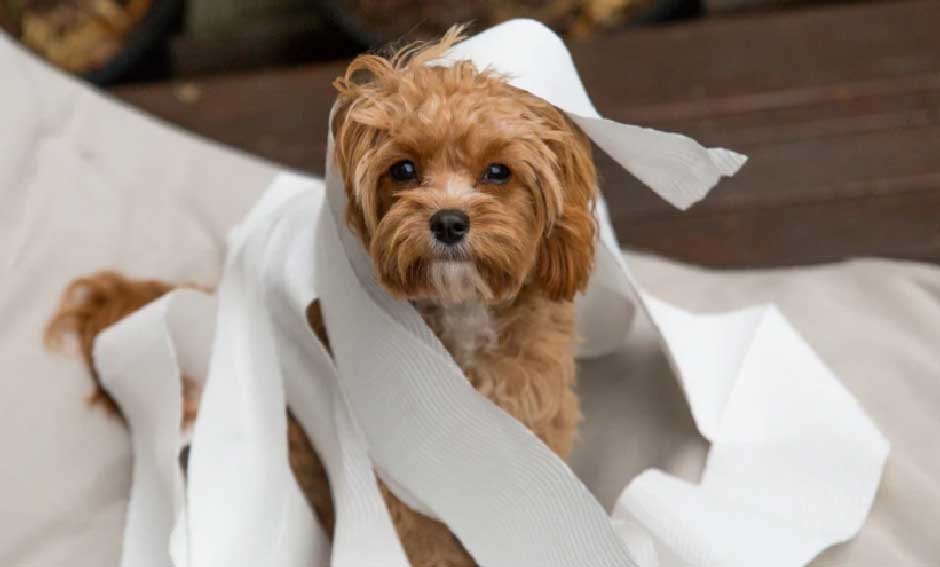
For most people, day six or seven is when the paper towel pile becomes the scoreboard. After 7 days, the goal is a clearer pattern and fewer accidents, not full reliability in every room and every situation.
The Riverbend article is useful on one point: a week can build momentum. Where owners get discouraged is mistaking momentum for completion.
A puppy may still need overnight trips, close supervision, and quick post-nap exits after a strong first week. That is normal, especially for younger or smaller puppies.
If accidents are dropping, the puppy is starting to head toward the door, and outdoor praise makes the next trip faster, the process is working. If accidents stay heavy despite a tight schedule, check for overlong gaps, inconsistent supervision, or a possible medical issue such as a urinary problem.
Call your veterinarian sooner rather than later if the puppy is straining, asking to go out constantly but producing tiny amounts, or suddenly regressing after doing well. A schedule can solve timing problems, but it cannot solve discomfort.
A good week creates a pattern, not a miracle. Once the pattern is there, the next weeks get easier because the puppy is finally rehearsing the right version of the day.
FAQ
How often should I take my puppy out to potty?
A puppy potty training schedule for a very young dog usually means a potty trip every 45 to 90 minutes during the day, plus trips after waking, after meals, after play, and before bed. Younger, smaller, or newly stressed puppies usually need the shorter end of that range.
At what age can a puppy sleep all night without peeing?
Many puppies start sleeping much longer at night somewhere around 4 to 6 months, but there is no universal birthday when this suddenly becomes safe. Age, size, and the puppy’s recent success matter more than any single rule.
Should I use puppy pads while training outside?
Puppy pads can help in a true access problem, but they often slow outdoor training because they teach the puppy that eliminating inside can still be correct. If you use them temporarily, keep the plan deliberate and phase them out instead of letting them become the default.
What if my puppy has accidents right after coming inside?
If your puppy keeps going right after you come back indoors, the outside trip was probably too short, too distracting, or too playful. Return to a quieter potty spot, wait longer, reward immediately, and tighten supervision for the next 10 minutes indoors.
Can a puppy be fully potty trained in 7 days?
Most puppies are not fully potty trained in 7 days, but many can make obvious progress in 7 days with a tight schedule. Think of the first week as the point where the right routine starts to feel familiar, not the point where every accident disappears.
Should I limit water at night?
Do not sharply restrict water just to avoid a nighttime potty trip unless your veterinarian has given you a specific reason. A better approach is a predictable evening routine, a final calm drink window, and one last outside trip right before bed.
Closing Thought
The breakthrough usually starts when the household becomes easier to predict than the floor plan. A puppy potty training schedule works best when the day becomes predictable before the puppy becomes mature.
The puppy does not need a perfect owner. The puppy needs the same fair sequence often enough for the right habit to feel obvious.