When a cat begins acting differently, it can be concerning for any pet owner. Cats are creatures of habit, and even subtle changes in behavior may signal that something in their environment, routine, or health has shifted. While some behavioral changes are temporary and harmless, others can indicate stress, discomfort, or an underlying medical condition.
Because cats cannot verbally communicate how they feel, their behavior often provides the earliest clues about their wellbeing. Changes in mood, activity level, appetite, or social interaction can reveal problems long before physical symptoms become obvious. Since every cat has its own personality and daily habits, understanding what is normal for your pet is essential.
Recognizing unusual behavior early allows you to address potential issues before they become more serious. In many cases, prompt veterinary attention can lead to earlier diagnosis, more effective treatment, and better long-term outcomes.
Common Behavioral Changes in Cats
Cats often display behavioral changes before showing obvious signs of illness. These shifts may develop gradually or appear suddenly, depending on the cause.
Many changes involve everyday activities such as eating, sleeping, grooming, and social interaction. A cat that usually follows you around the house may begin spending more time alone, while a normally independent cat may suddenly seek constant attention. Some cats become more vocal than usual, while others grow unusually quiet.
- Common behavioral changes include:
- Eating significantly less or more than usual
- Sleeping more than normal or becoming restless
- Overgrooming or neglecting grooming
- Hiding more frequently
- Becoming unusually clingy or withdrawn
- Changes in vocalization
These changes may also be accompanied by shifts in energy levels. Some cats become lethargic and less interested in play, while others appear agitated or unable to settle comfortably.
Grooming habits can be particularly revealing. Excessive grooming may point to stress, allergies, or skin irritation, while a lack of grooming can sometimes indicate pain, illness, or reduced mobility.
At this stage, many owners begin searching for explanations when their cat’s behavior feels unusual. When a cat becomes withdrawn, loses interest in food, or spends more time hiding, some people start wondering, do cats know when they are dying? While these concerns are understandable, such behaviors are more commonly linked to illness, discomfort, stress, or age-related changes rather than an awareness of death itself.
Keeping track of when behavioral changes begin and whether they improve or worsen can provide valuable information for your veterinarian.
When Behavioral Changes Suggest Health Issues
While behavior changes can result from stress or environmental factors, they become more concerning when they persist or occur alongside physical symptoms.
Cats are naturally skilled at masking pain and illness. As a result, even minor behavioral changes can sometimes signal a developing health problem. A decrease in appetite, unexplained weight loss, vomiting, diarrhea, or changes in water consumption may indicate an underlying medical issue.
Mobility changes are another common warning sign. If your cat becomes reluctant to jump, climb stairs, or engage in activities they once enjoyed, pain or discomfort may be a factor. Similarly, sensitivity when touched or avoiding physical contact can suggest an injury or health condition.
Litter box habits can also provide important clues. Frequent accidents, straining, or changes in urination patterns should never be ignored, as they may indicate urinary tract problems or other serious conditions.
Unlike temporary stress-related behaviors, medical issues typically do not resolve without treatment. When unusual behavior continues for more than a few days, it is often worth discussing with a veterinarian.
Stress, Environment, and Routine Disruptions
Not every behavioral change points to illness. Cats are highly sensitive to their surroundings, and disruptions to their routine can significantly affect their behavior.
Moving to a new home, introducing a new pet, rearranging furniture, changing feeding schedules, or hosting visitors can all create stress. Even loud noises from construction, storms, or fireworks may trigger noticeable changes.
Stress-related behavior often includes hiding, reduced appetite, increased clinginess, or temporary changes in sleep patterns. In many cases, these behaviors improve once the cat adjusts to the new situation.
Supporting a stressed cat starts with consistency. Maintaining regular feeding times, providing quiet resting areas, and offering enrichment through toys, scratching posts, and climbing structures can help restore a sense of security.
However, if behavioral changes continue long after the stressful event has passed, it may be time to investigate other possible causes.
When to Consult a Vet About Changes in Your Cat’s Behavior
A veterinary consultation is recommended whenever behavioral changes are persistent, severe, or difficult to explain.
You should be especially cautious if behavior changes occur alongside physical symptoms. A cat that is hiding more, eating less, and showing low energy may be experiencing an underlying health issue that requires attention.
Some signs that warrant a veterinary visit include:
- Persistent appetite loss
- Noticeable weight loss
- Ongoing lethargy
- Difficulty walking, jumping, or climbing
- Changes in breathing
- Unusual litter box behavior
- Increased aggression or irritability
- Significant withdrawal from normal activities
While a single symptom may not always indicate a serious problem, several symptoms occurring together should not be ignored.
Trusting your instincts as a pet owner is also important. You know your cat’s normal behavior better than anyone. If something feels unusual, it is often worth seeking professional advice rather than waiting for symptoms to worsen.
What to Expect During a Veterinary Visit
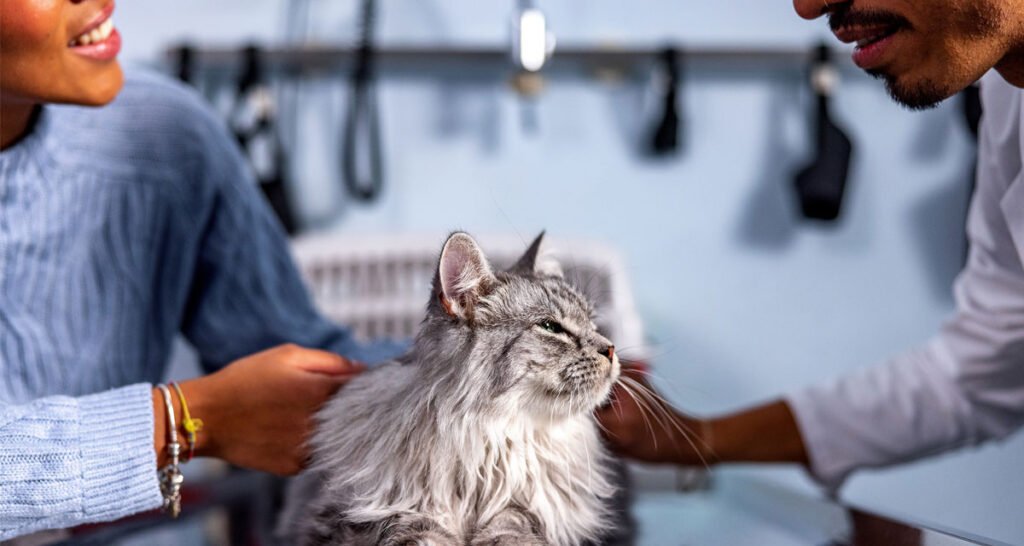
When you bring your cat to the veterinarian, the appointment usually begins with a discussion about the behavioral changes you have noticed. The more details you can provide, the easier it will be for the vet to identify potential causes.
The veterinarian will perform a physical examination and may ask questions about appetite, activity level, litter box habits, and recent environmental changes. Depending on the findings, additional testing may be recommended.
Common diagnostic tools include blood work, urinalysis, and imaging studies such as X-rays or ultrasound. These tests help identify conditions that may not be visible during a physical examination.
Once a diagnosis is made, treatment can be tailored to the specific cause. This may involve medication, dietary changes, pain management, behavioral modification strategies, or environmental adjustments.
Even if no serious condition is found, the visit can provide reassurance and valuable guidance for monitoring your cat moving forward.
Supporting Your Cat at Home
Whether your cat is experiencing stress, recovering from illness, or undergoing treatment, a supportive home environment can make a meaningful difference.
Consistency is key. Maintaining regular routines helps cats feel secure and reduces unnecessary stress. Make sure food, water, and litter boxes are easily accessible, especially for older cats or those with mobility challenges.
It can also be helpful to monitor behavior over time. Keeping notes about appetite, energy levels, grooming habits, and litter box use can reveal patterns that might otherwise go unnoticed.
Most importantly, give your cat space when needed. Some cats seek comfort from their owners during difficult periods, while others prefer solitude. Respecting their preferences can help them feel more comfortable and secure.
Staying Proactive About Your Cat’s Health
Behavioral changes in cats should never be dismissed, particularly when they are persistent or significantly different from your cat’s normal habits. While some changes stem from temporary stress or routine disruptions, others can be early signs of illness or discomfort.
Understanding your cat’s typical behavior is the foundation for recognizing when something is wrong. By paying attention to changes, seeking veterinary advice when necessary, and providing a supportive environment at home, you can help protect your cat’s health and wellbeing.
Prompt action and regular veterinary care give your cat the best chance of staying healthy, comfortable, and happy throughout every stage of life.