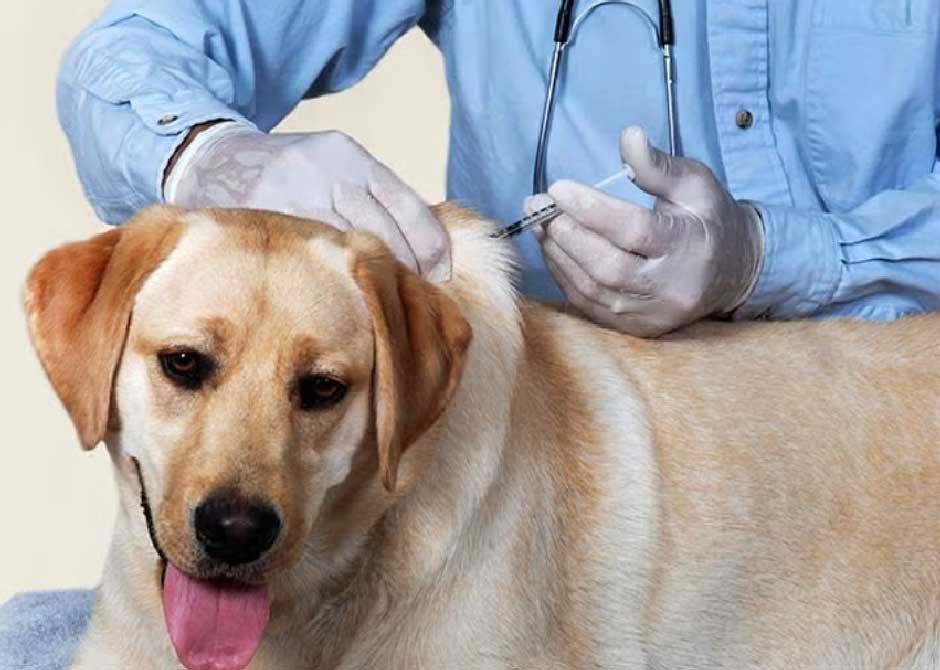
Most vets give the same answer and then hedge it immediately: every six to twelve months. The hedge is not evasiveness. It is because your dog’s actual risk determines the right interval, and two dogs living on the same street can have completely different needs.
The bordetella vaccine protects against kennel cough, a respiratory infection that spreads fast anywhere dogs gather. If your dog boards, goes to daycare, gets groomed, or hits the dog park, you have almost certainly been asked for proof of vaccination. The question is not whether to get it but how often, and the answer is less straightforward than most clinic handouts make it sound.
What the Bordetella Vaccine Actually Does
The bordetella vaccine reduces the severity of kennel cough and, in many cases, prevents infection altogether. It targets Bordetella bronchiseptica, the most common bacterial culprit behind canine infectious respiratory disease complex (CIRDC), though several viruses and bacteria can cause similar symptoms.
Kennel cough earned its name honestly. The infection tears through boarding facilities, shelters, and dog shows because it spreads through airborne droplets and contaminated surfaces. A single infected dog can expose dozens of others within hours. According to the American Animal Hospital Association (AAHA) 2022 Canine Vaccination Guidelines, bordetella is classified as a non-core vaccine, meaning not every dog needs it, but for those with social exposure, it is strongly recommended.
What catches many owners off guard: the vaccine does not work like a light switch. It takes anywhere from 48 hours to 5 days after administration before mucosal immunity kicks in. Walk into a boarding facility the day after a shot and your dog is still vulnerable. Facilities know this. Most require vaccination at least 5 to 7 days before check-in.
How Often Your Dog Needs a Bordetella Shot
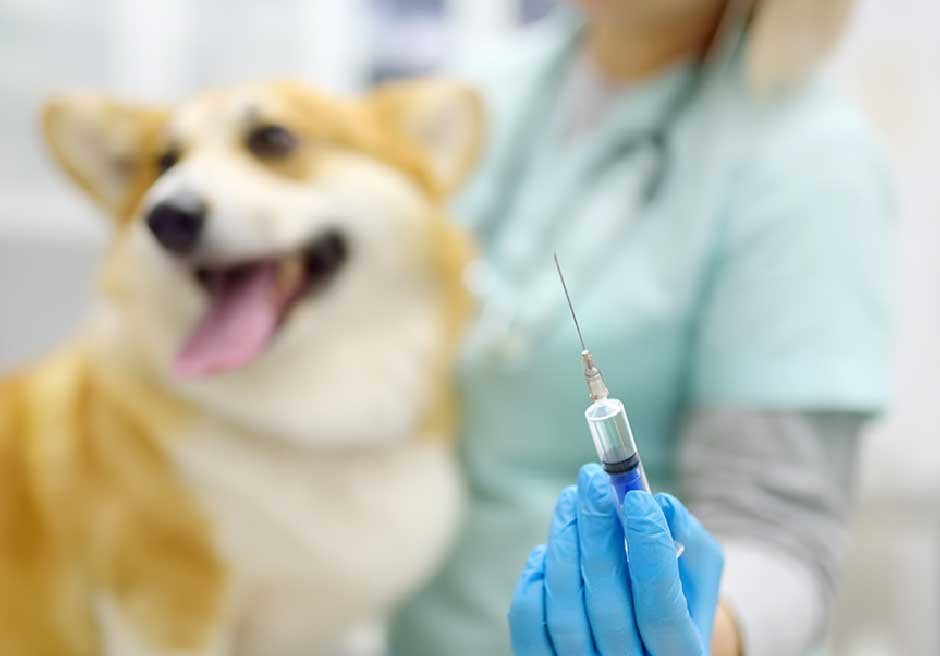
Adult dogs need a bordetella booster every 6 to 12 months, depending on the vaccine type used and the dog’s ongoing exposure risk. The 6-month interval is standard for dogs in boarding, daycare, or grooming. The 12-month interval applies to lower-risk pets whose veterinarians use the injectable formulation.
Puppies start earlier. Most receive their first dose between 6 and 8 weeks of age. If the intranasal or oral vaccine is used, a single dose is typically sufficient as the initial series. The injectable version requires a booster 2 to 4 weeks after the first shot, then another dose at the one-year mark before shifting to the adult booster schedule.
The American Veterinary Medical Association (AVMA) and AAHA both acknowledge that immunity from the bordetella vaccine wanes faster than core vaccines like rabies or DHPP. That shorter duration of immunity is exactly why the booster interval is tighter. Core vaccines protect for 3 years or longer, but bordetella immunity starts fading after about 6 to 9 months in most dogs.
On r/DogAdvice, a community focused on practical dog care questions, one owner captured a common frustration:
“Dog vaccines are out of date and I need to travel this weekend.”
— r/DogAdvice, December 2025
This scenario plays out constantly. Owners realize 48 hours before a trip that their dog’s bordetella has lapsed. Most boarding facilities will not bend on this requirement, and for good reason: a single unvaccinated dog can trigger an outbreak that shuts down an entire kennel wing.
Five Factors That Change Your Dog’s Bordetella Schedule
Your vet is not being indecisive when they say “it depends.” These five variables genuinely move the needle on how often your dog should get boostered.
| Factor | Shorter Interval (6 months) | Longer Interval (12 months) |
|---|---|---|
| Boarding or daycare attendance | Regular (monthly or more) | Rarely or never |
| Dog park visits | Weekly or more | Occasional, off-leash only in private areas |
| Grooming facility visits | Every 4 to 8 weeks | Home grooming or infrequent visits |
| Vaccine type used | Intranasal or oral (shorter immunity) | Injectable (longer systemic response) |
| Facility requirements | Facility mandates 6-month validity or less | Facility accepts 12-month validity |
Here is the part most online guides skip: facility policy overrides veterinary discretion. Even if your vet writes a 12-month protocol, the boarding kennel that requires proof within the last 6 months gets the final say. Some facilities in high-density areas have tightened to a strict 6-month policy after experiencing outbreaks. Before booking a stay, call and ask: “Do you require bordetella within the last 6 months or 12 months?” Three words can save you a last-minute vet scramble.
Honestly, this is where a lot of owners mess up. They remember the rabies shot because it lasts 3 years and comes with a shiny tag. Bordetella, with its silent expiration and no visible reminder, slips past without the same urgency, until the daycare sends the “vaccine records expired” email the morning of a work trip.
Injectable vs. Intranasal vs. Oral: Which Bordetella Vaccine Lasts Longer?
No single bordetella vaccine type is universally “best.” The right choice depends on how quickly your dog needs protection, which route your dog tolerates, and which formulation your vet stocks. All three provide roughly 6 to 12 months of immunity when given on schedule.
| Vaccine Type | Administration | Onset of Protection | Initial Series | Booster Interval |
|---|---|---|---|---|
| Injectable | Injection under the skin | Slower (requires 2-dose initial series for full immunity) | 2 doses, 2 to 4 weeks apart | Every 12 months |
| Intranasal | Drops or mist into the nose | Fastest (mucosal immunity in 48 to 72 hours) | Single dose | Every 6 to 12 months |
| Oral | Liquid squirted between cheek and gum | Fast (mucosal immunity in 3 to 5 days) | Single dose | Every 6 to 12 months |
The intranasal and oral routes have a real advantage for last-minute situations. Because they trigger mucosal immunity directly at the respiratory tract, where the bacteria actually enters, protection develops faster than the injectable, which must build a systemic antibody response first. If your dog needs the vaccine less than a week before boarding, the intranasal or oral version is the safer bet.
At first glance, the injectable looks like the winner: one shot, one year. But after watching enough dogs flinch at the needle versus barely noticing the oral squirt, many vets lean toward the mucosal options for anxious or needle-sensitive dogs. The trade-off: some facilities require a 6-month booster for mucosal vaccines regardless of what the label says.
What Happens When a Booster Gets Skipped
Missing a bordetella booster by a few weeks is not a crisis. Missing it by several months and then walking into a boarding facility is where the problems start. The biggest problem is not the disease itself. It is being turned away at check-in.
If your dog’s booster has lapsed beyond the grace period your vet considers acceptable (usually 2 to 4 weeks past the due date), most vets will restart the series. For the injectable, that means two shots again. For the intranasal or oral, a single re-administration usually suffices, but protection takes a few days to rebuild.
The disease risk is real but not catastrophic for most healthy adult dogs. Kennel cough rarely becomes life-threatening. It is closer to a bad cold than to distemper. But in puppies, seniors, and immunocompromised dogs, it can progress to pneumonia. A 2023 review in the Journal of Veterinary Internal Medicine noted that outbreaks in shelter settings can reach morbidity rates above 80% within two weeks of introduction. The vaccine exists because the spread is that aggressive, not because the individual case is usually that severe.
Do not ask your boarding facility to look past an expired vaccine. A Reddit user on r/DogAdvice posed that exact question: “My usual boarding place is willing to look past my dog needing her bordetella vaccine, nice gesture or red flag?” The response from the community was near-unanimous. If they will bend on vaccine policy, they are probably bending on other protocols too. A facility that takes vaccination seriously is a facility that takes your dog’s safety seriously.
Frequently Asked Questions
Is the bordetella vaccine required for all dogs?
No, the bordetella vaccine is classified as non-core by the AAHA, meaning it is not required for every dog. It is recommended based on lifestyle. Dogs that attend daycare, boarding, grooming, training classes, or dog parks benefit most. Dogs that rarely leave their home and yard may not need it, though even indoor-only dogs can be exposed during vet visits or through contact with other pets.
Can a vaccinated dog still get kennel cough?
Yes. The bordetella vaccine works like the human flu shot. It reduces severity and likelihood but does not guarantee complete prevention. Multiple pathogens cause kennel cough beyond Bordetella bronchiseptica, including parainfluenza virus and canine adenovirus type 2. A vaccinated dog that contracts kennel cough typically has milder symptoms and recovers faster than an unvaccinated dog.
How long before boarding does my dog need the bordetella vaccine?
Most boarding facilities require the vaccine to be administered at least 5 to 7 days before check-in. If it is your dog’s first-ever bordetella vaccine, some facilities require 14 days. Always verify the facility’s specific policy. Some mandate vaccination within the last 6 months regardless of the vaccine type your vet used.
What are the side effects of the bordetella vaccine in dogs?
Mild side effects are common and short-lived: sneezing or nasal discharge (especially after intranasal administration), slight lethargy for 24 to 48 hours, and mild soreness at the injection site for the injectable form. More concerning reactions like facial swelling, vomiting, or difficulty breathing are rare but warrant an immediate call to the vet. A small percentage of dogs develop a mild cough that sounds similar to kennel cough itself; this typically resolves within a few days without treatment.
How much does the bordetella vaccine cost?
The bordetella vaccine typically costs between $20 and $45 when administered at a veterinary clinic. Low-cost vaccine clinics and mobile vet services often offer it for $15 to $25. Some pet insurance plans cover vaccination as part of wellness add-on packages. The cost difference between clinic and mobile services is rarely worth the scheduling headache unless you are bundling multiple vaccines at once.
The Bottom Line
The bordetella vaccine is not complicated, but the schedule is genuinely confusing because it depends on variables most general vaccine guides ignore. If your dog boards, goes to daycare, or gets groomed regularly, plan on a booster every 6 months and confirm your facility’s exact policy before booking. If your dog lives a quieter life, a 12-month schedule with the injectable version is likely enough, but verify with your vet rather than assuming.
What trips people up is not the vaccine itself. It is the gap between the vet’s recommendation and the kennel’s requirement. Close that gap before it closes your travel plans.