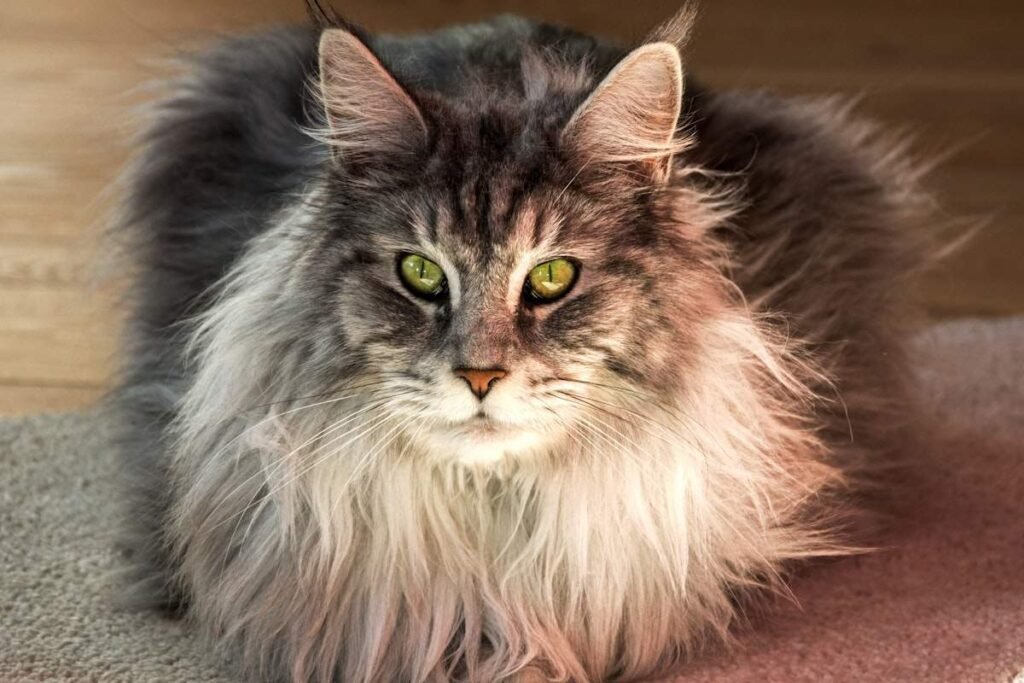
Silver is not a rare gene. The inhibitor allele that creates every silver coat is dominant, so a single copy from one parent produces silver kittens, and any cattery with a silver-carrying cat produces them on schedule. Scarcity in this colour is a supply decision, not a genetic accident.
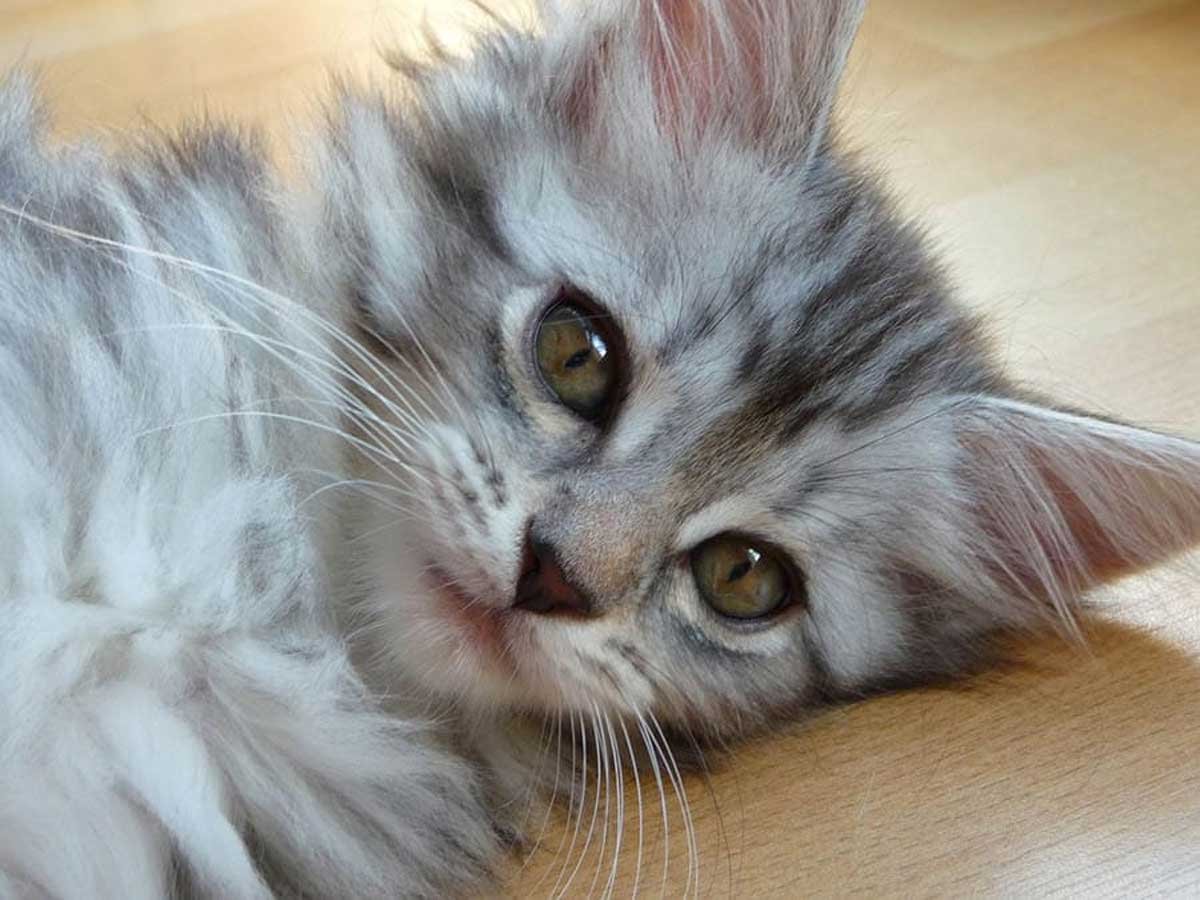
That matters because the usual explanation runs the other way, and it is the explanation attached to the premium you are being asked to pay.
What Actually Makes a Coat Silver
The inhibited pigment gene, written I/i, switches off pigment along the lower part of each hair. The result is a hair that is white at the base and coloured only toward the tip, which is why a silver cat glitters when the coat moves and looks flat grey in a still photograph.
The dominant allele is the working one, and one copy is enough. That single fact undoes the usual explanation, because rarity in cat colour normally comes from recessive genes that need a copy from both parents and therefore skip generations. Silver does not skip. A silver parent bred to a non-silver mate can be expected to produce silver kittens in roughly half the litter, year after year, which is why certain catteries seem to have endless silvers while others have none at all.
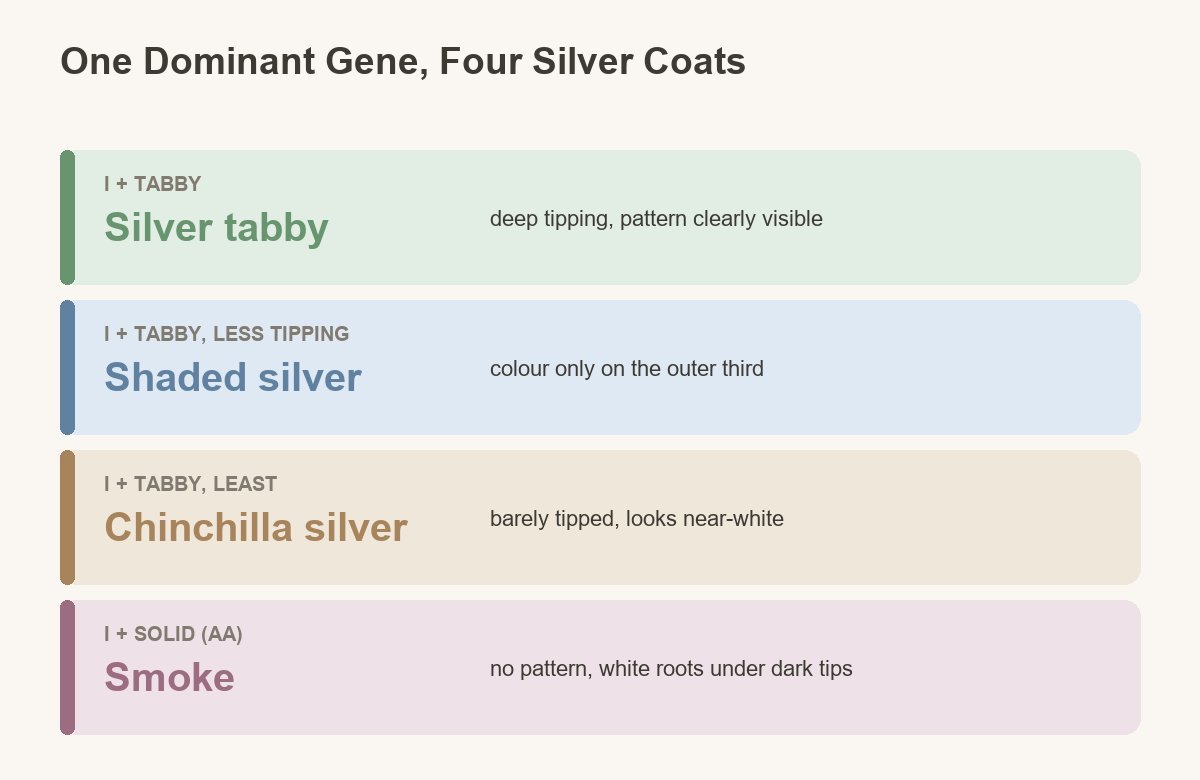
How much of the hair keeps its colour is set by separate modifying genes, and that depth of tipping is what separates the silver coats from each other. Deep tipping leaves the tabby pattern plainly visible. Light tipping leaves a cat that looks almost white with a dusting of colour across the back.
Silver Tabby, Shaded, Chinchilla, and Smoke
Four coats come out of the same gene, and which one you get depends on the tipping depth and on whether the cat is a tabby underneath.
| Coat | Agouti status | What you see |
|---|---|---|
| Silver tabby | Tabby | Deep tipping, stripes or swirls clearly visible over a white base |
| Shaded silver | Tabby | Colour on the outer third only, pattern softened to a shimmer |
| Chinchilla silver | Tabby | Barely tipped, reads as white with a silver mantle |
| Smoke | Solid (non-agouti) | No pattern at all, white roots under a dark topcoat |
Smoke is the one that confuses buyers, because it carries the same gene but no stripes. A solid black cat plus the inhibitor gives you a black smoke rather than a silver, and our black Maine Coon guide covers the daylight root test that separates the two at any age.
High silver is a breeder’s phrase rather than a registry class. It describes a cat whose white base runs unusually far up the hair, producing extreme contrast between the pale undercoat and the tipping, and no written standard defines where high silver begins or who decides. Two breeders can apply the label to visibly different cats and neither is wrong, because there is nothing to be wrong about. Treat it as a description of what you can see in the photograph, not as a grade you are buying.
The Problem Nobody Mentions Before You Buy
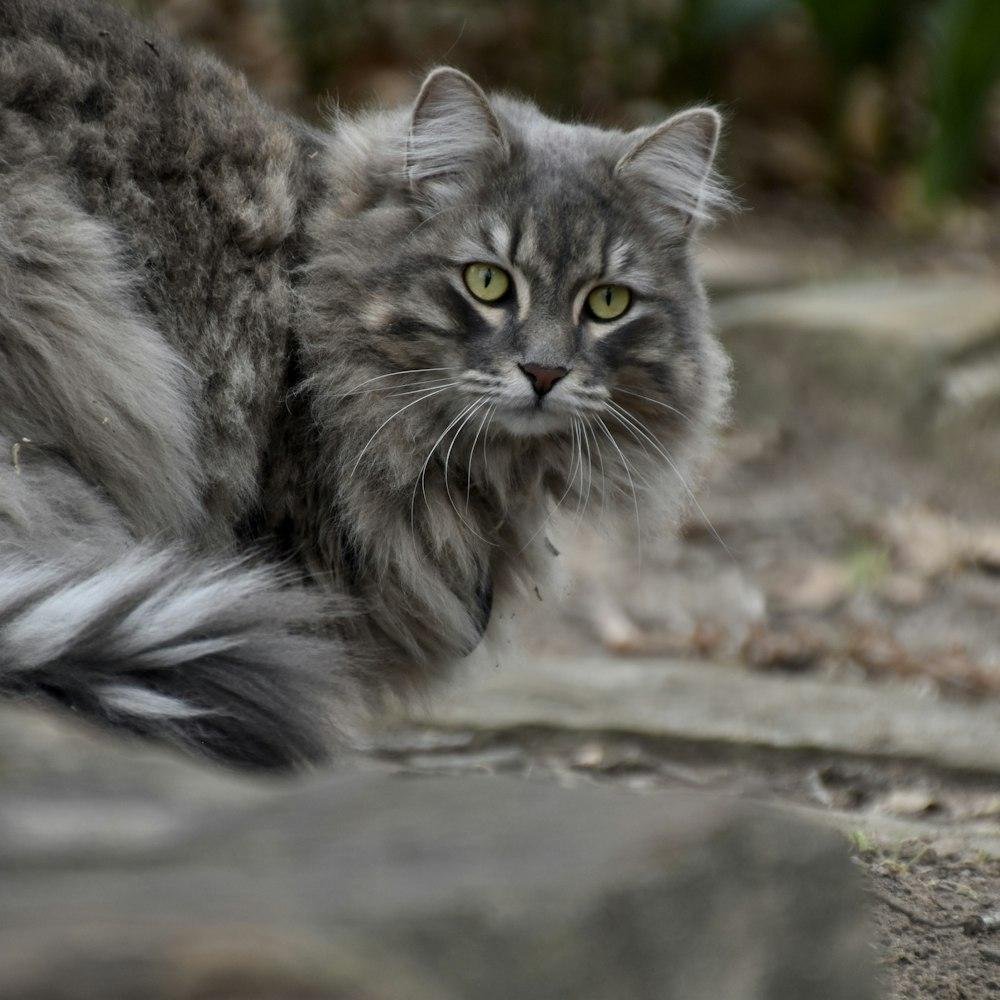
Silver coats can go brassy.
The effect is called tarnishing, and it shows as a warm yellow or rust cast across the face, back, and legs where the coat should read cool white. It usually arrives with maturity rather than in kittenhood, which is exactly the wrong order for a buyer looking at twelve-week photographs.
Cat coat genetics treats this as a real and recognised phenomenon rather than a grooming failure, linked to low-level warm pigment production in cats that are genetically silver. Some shaded silvers and chinchillas even turn pale golden in adulthood while remaining silver on paper.
Buyers sense the gap and ask about it constantly.
“Considering adopting this baby! Very curious to know what he might look like when he’s older, I’m unfamiliar with this type of coloring.”
– r/mainecoons, September 2025 (216 upvotes)
Ask a breeder directly whether their line tarnishes, and ask to see adults rather than kittens, because a kitten photographed at twelve weeks tells you nothing about what the coat does at three years. This single question separates breeders who track their own lines from breeders who repeat marketing copy.
What Silver Costs and Why
Silver Maine Coon kittens are commonly listed above the cattery’s standard price, and the justification offered is almost always genetic rarity. The genetics do not support that justification, because a dominant gene in a breeding programme reproduces reliably.
One published example: oregonmainecoon.com lists silver shaded kittens at $4,300 against a $3,000 base price, a $1,300 premium. Every cattery and rescue price read in October 2026 is in the Maine Coon price guide.
What does hold up is ordinary supply and demand. Relatively few programmes carry silver, waitlists for it run long, and high-contrast cats photograph well enough to keep demand ahead of supply. That is a real reason for a real premium, but it is a market fact rather than a biological one, and it is negotiable in a way that biology is not.
Judge the kitten the way you would judge any other. Health testing on both parents, current HCM scan dates, registered lineage, and a breeder who shows you adults. A dramatic coat on untested parents remains the expensive mistake in this breed regardless of colour.
FAQ
How rare are silver Maine Coons?
Silver Maine Coons are uncommon rather than genetically rare, because the inhibitor gene that creates the colour is dominant and reproduces predictably in any line that carries it. Scarcity reflects how few breeding programmes include silver cats.
What is the rarest Maine Coon colour?
No registry publishes colour frequency data, so every rarest colour claim is an estimate. Solid white and gold-based coats are scarce in most programmes, and colours requiring several recessive genes at once appear least often.
What is the difference between a silver and a smoke Maine Coon?
Both carry the same inhibitor gene, and the difference is whether the cat is a tabby underneath. Silver cats show a visible pattern over a white base, while smokes are solid-coloured with white roots hidden beneath the topcoat.
Do silver Maine Coon kittens change colour as they grow?
Contrast usually increases through the first two years as the adult coat and ruff come in, and some silvers develop a warm brassy cast known as tarnishing. Viewing the parents as adults predicts the outcome far better than any kitten photograph.