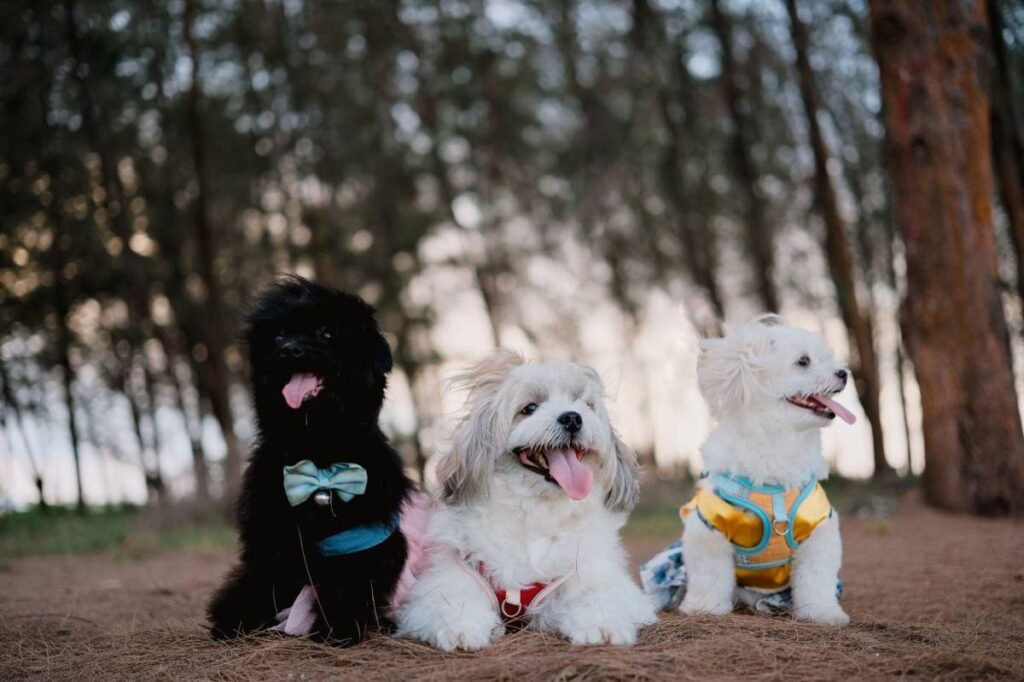
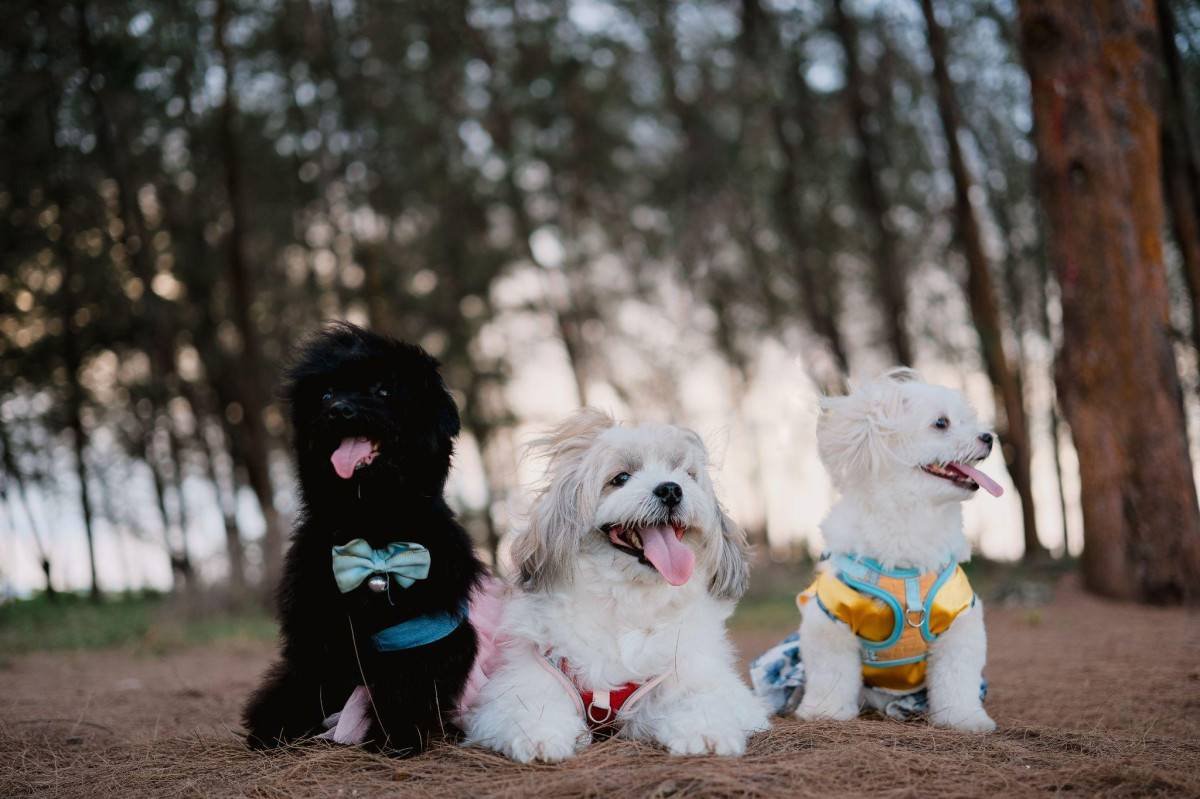
Picking out dog accessories is the easy part. Anyone can scroll through a pet store and toss a few things in the cart. Picking the functional ones is where things get harder.
Good gear isn’t about matching your dog’s personality or your own taste in colors. It’s about letting them move the way they’re built to move, keeping them safe, and making the everyday stuff, like walks, car trips, an afternoon at the park, a little less of a hassle for both of you.
Once you know what you’re actually looking for, telling the genuinely useful stuff apart from the products that just look good online gets a lot easier.
1. Think About Your Dog’s Daily Life
Before you buy anything, stop and think about what your dog’s day actually looks like. A small dog who mostly walks around a quiet street doesn’t need what a big, trail-hiking dog needs. Different lives, different gear.
Age matters too. Puppies are still growing, so something adjustable tends to beat something sized for exactly who they are this month. Older dogs often do better in softer materials, since aging joints and thinner skin don’t appreciate being rubbed on.
Even your local weather matters. Hot pavement, endless rain, rough trails, each one asks something different of whatever your dog’s got on. Shop for the dog in front of you, not the one in the catalog, and you end up with stuff that actually gets used.
2. Fit Should Always Come Before Appearance
Here’s the mistake people make constantly: falling for a color or style first and only checking the fit once it’s already arrived.
A collar that’s too loose can slip off mid-walk, no warning at all. Too tight, and your dog’s uncomfortable, maybe pawing at it the whole time. Same with harnesses, coats, whatever you’re buying. A good fit means your dog moves naturally. Nothing twisting, nothing shifting, no pinching where it shouldn’t.
So measure first. Neck, chest, and body length are the most important measurements. It takes two minutes with a tape measure and saves you a return shipment later. Also remember, sizing isn’t consistent from brand to brand, so guessing off your dog’s weight alone is a bit of a coin flip.
Once it’s on, just watch them move for a bit. Breathing fine, walking normally, not scratching at it or trying to wriggle out? Good sign you got it right.
Source: Pexels
3. Choose Materials That Are Built for Comfort
Plenty of accessories look tough on the shelf but aren’t all that fun to actually wear for an hour. Rough seams, stiff edges, bulky hardware might not seem too bad at the store, but your dog will feel them on their walk.
Soft padding anywhere the material touches skin, especially the chest, neck, and belly, makes a real difference. Breathable fabric helps too, especially once summer hits.
If your dog loves the water, or you just live somewhere where it rains constantly, water-resistant materials are worth a look, but they need to dry quickly. Anything that stays damp for hours can end up causing the very skin irritation you were trying to avoid in the first place.
Also check the stitching and the buckles before you buy. Solid construction just means the thing lasts, and it’s a lot less likely to give out the second your dog decides to bolt after a squirrel.
4. Think About Safety Before Convenience
Convenient features are nice. They’re just not worth trading away safety for. Reflective trim, for instance, genuinely matters on evening walks. It gives drivers and cyclists a real head start on spotting your dog in the dark. Sturdy buckles and solid attachment points also cut down the chances of something coming loose at exactly the wrong moment.
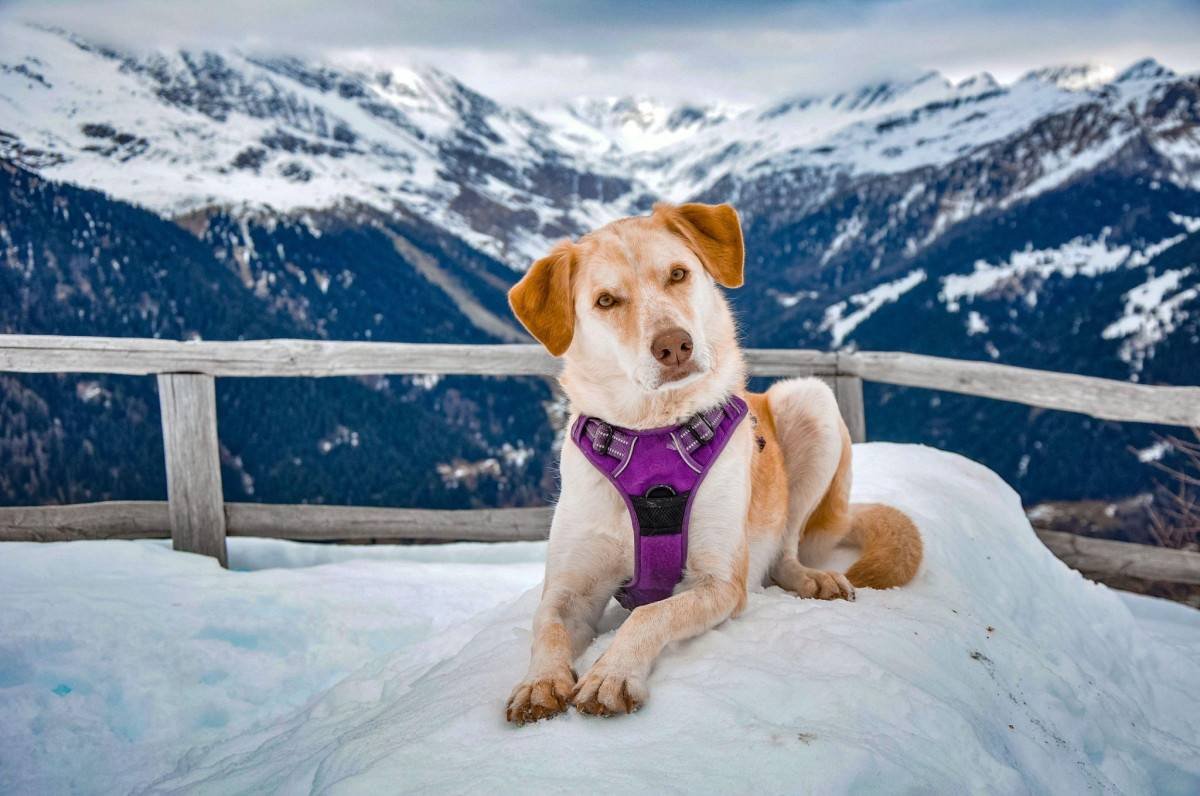
If your dog’s a puller, the harness you pick matters more than people usually assume. A well-fitted anti-pull dog harness spreads the pressure across the chest instead of dumping it all onto the neck, which tends to mean more comfortable walks and better control, without you having to wrestle your dog the whole way.
None of this replaces training, though. Even the best gear only works alongside consistent practice. It’s not a shortcut around it.
5. Don’t Overlook Protection for Changing Conditions
Scorching pavement in summer, ice in winter, sharp gravel, rough trail terrain. All of that is a lot to ask of bare paws when you actually stop and consider it.
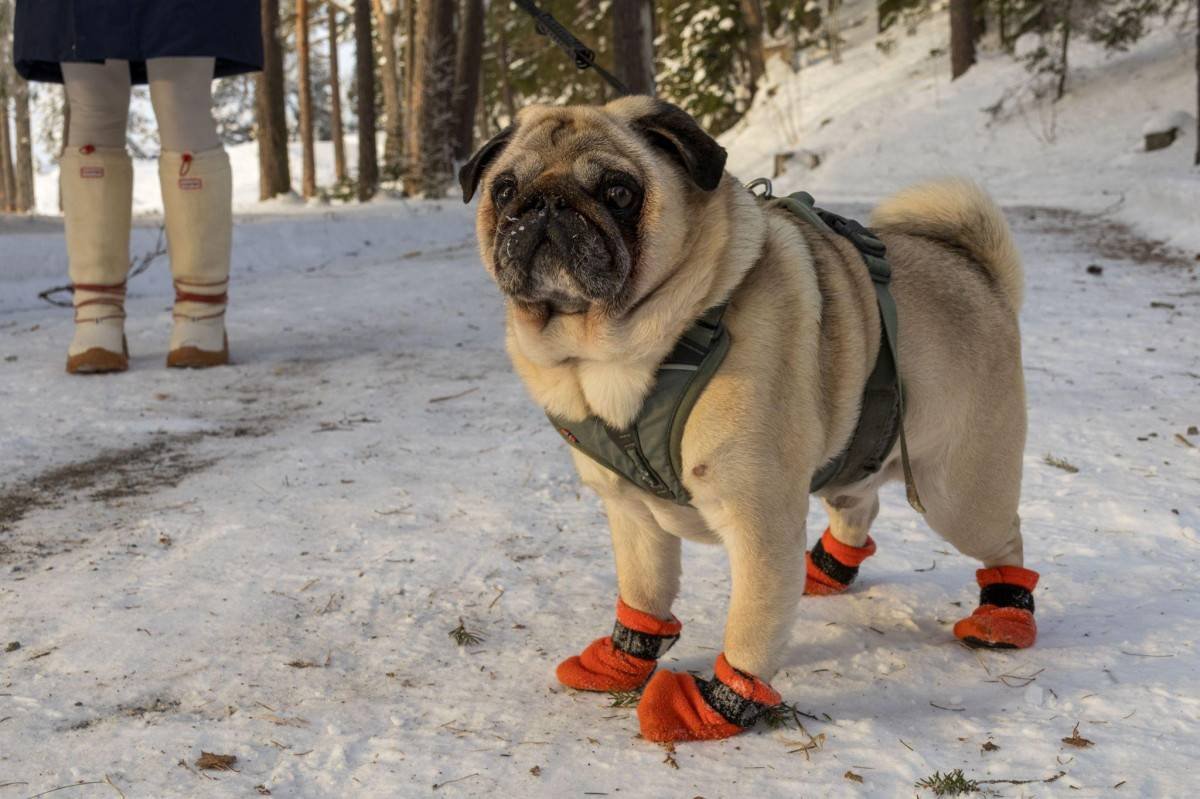
For dogs regularly out on that kind of ground, boots for dogs offer real protection against heat, sharp stones, road salt, and rough terrain. The trick is finding a pair that stays put without messing with how your dog naturally walks.
But not every dog needs boots every day, and that’s fine. If your walks are mostly grass and smooth sidewalk in decent weather, those boots might spend more time sitting in the closet than on your dog’s actual feet. Buy for what your dog needs, not for every hypothetical, and your gear collection stays useful instead of just piling up.
Source: Pexels
6. Replace Accessories Before They Become a Problem
Even good gear wears out eventually. That’s just how it goes. Make a habit of checking collars, harnesses, leashes, and travel gear every few weeks. It takes less than a minute before you head out the door, and it can save you from a failure you never saw coming.
Worth rechecking the fit as your dog changes, too. It could be weight gain, weight loss, getting older, or a heavier winter coat. Any of it can throw off how something sits on them. Gear that fit perfectly last year isn’t necessarily still the safest option now.
Conclusion
Choosing dog accessories was never really about chasing the newest product on the market or filling every shelf with gear your dog barely touches. It comes down to picking things that actually make their day-to-day life safer and more comfortable.
Get the fit right, choose materials that hold up, think through the design, and shop for the dog you actually have, not some idealized version of them. Do that, and every purchase earns its keep. A little extra care before you buy usually means safer walks, better outings, and a lot less gear gathering dust in a drawer somewhere.