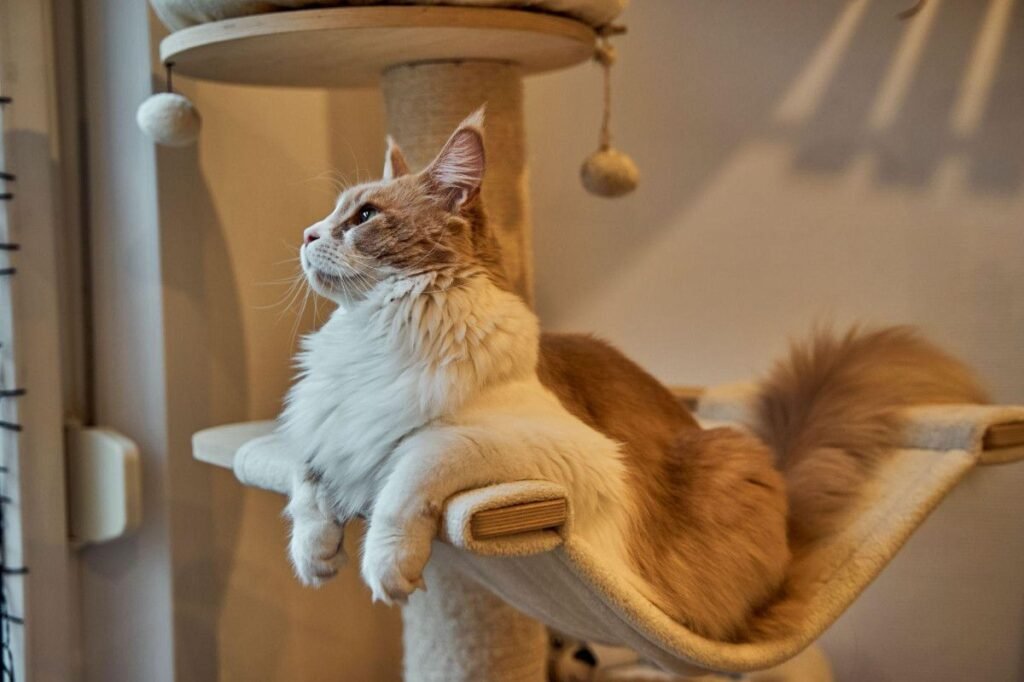
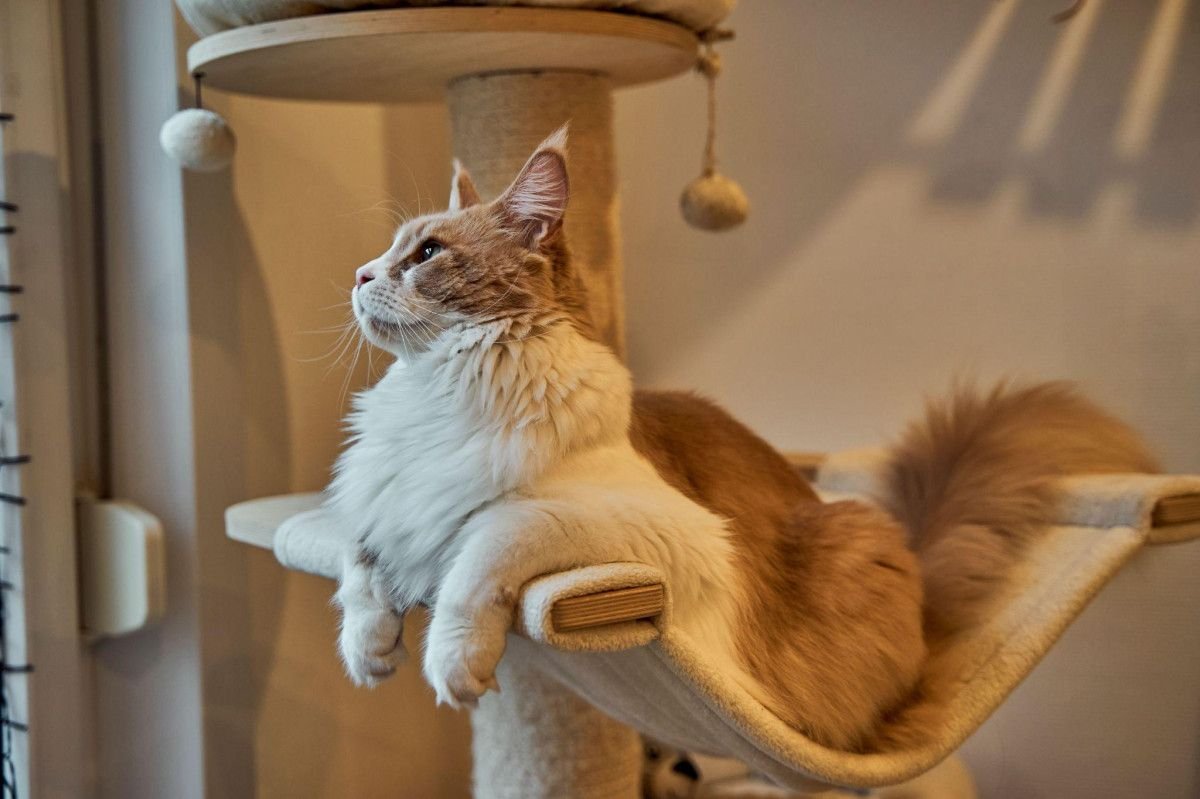
Breeding a Maine Coon is a serious commitment. As the largest breed of domestic cat, they have a longer gestation period for their kittens, give birth to larger litters, and have specific nutritional demands. Regardless of whether you’re new to breeding cats or have done it numerous times, properly caring for a pregnant queen is essential to ensure their health and the health of their kittens.
In this article, we’ll discuss what to feed a pregnant Maine Coon, what health checks to make during pregnancy, and how to recognize if something is wrong with the queen whilst pregnant.
Understanding the Maine Coon Pregnancy Timeline
Maine Coons take longer to mature than other breeds of cats. They typically do not reach maturity until between 3 and 5 years of age. Breeders have to wait until the queen is ready to produce her first litter, which typically occurs after 12 or 18 months of age.
The pregnancy of a queen Maine Coon lasts around 63 to 67 days after mating, which is longer than other breeds due to their physical size. During this period, the queen can give birth to 3 to 6 kittens, though some may have even more.
Prenatal Nutrition: What to Feed a Pregnant Maine Coon
Switch to a High-Quality Kitten Food
During pregnancy, a queen’s caloric and nutritional needs increase. Most veterinarians recommend changing a pregnant Maine Coon’s diet to a kitten formula since these foods contain more calories and more protein and fat to meet the demands of the growing kittens.
Key Nutrients to Prioritize
- Protein – Supports fetal tissue and muscle development. Look for foods with real meat as the first ingredient.
- Taurine – An essential amino acid for cats; deficiency is linked to reproductive failure and fetal abnormalities.
- DHA (omega-3 fatty acids) – Supports healthy brain and eye development in kittens.
- Folic acid – Important for preventing developmental defects, similar to its role in human pregnancy.
- Calcium and phosphorus – Critical for skeletal development, especially given how large Maine Coon kittens can grow.
Feeding Frequency
As the queen’s pregnancy progresses, her capacity to consume food shrinks. Instead of two meals per day, feed the queen smaller meals 4-6 times per day.
Avoid Over-Supplementing
More is not always better. Too much calcium or vitamin supplementation can actually lead to complications during labor. Always consult your veterinarian prior to adding supplements to the diet of your dog.
Essential Health Checks During Pregnancy
1. Pre-Breeding Veterinary Exam
Ideally, health checks should occur before the queen and male become mates. A thorough exam by a veterinarian should confirm the health of the queen, ensuring that she does not have any parasites, vaccinations, or any infectious diseases like FeLV or FIV.
2. Confirming Pregnancy
Around day 21–28, a veterinarian can confirm pregnancy via abdominal palpation or ultrasound. Ultrasound also allows an early estimate of litter size and a check for fetal heartbeats.
3. Mid-Pregnancy Monitoring
A follow-up check partway through pregnancy allows your vet to track the queen’s weight gain, body condition, and general health. This is also a good time to discuss whelping (birthing) preparations.
4. Late-Pregnancy X-Ray
Once around day 55, an x-ray can provide a more precise count of the number of kittens in the sow. This can help to recognize if labor is stuck and there are still kittens remaining in the sow.
5. Watching for Warning Signs
Throughout pregnancy, monitor for:
- Loss of appetite lasting more than a day
- Lethargy or weakness
- Vaginal discharge or bleeding
- Sudden decrease in abdominal size
- Signs of distress or pain
Not every pregnancy goes to full term. Miscarriages in cats can happen even in healthy, well-cared-for queens, and it’s important for breeders to know the causes, warning signs, and next steps if it occurs.
Creating a Low-Stress Environment
Stress is an underrated factor in pregnancy health. While the queen should be kept in a calm and quiet space, away from other pets that may cause anxiety around the pregnant queen, it is also important to keep the environment as the same as possible during the later stages of pregnancy. Avoid travel, loud noises, and adding pets during pregnancy for the mother and kittens.
Preparing for Whelping
In the final 1–2 weeks, set up a quiet, enclosed whelping area with soft bedding, away from household foot traffic. Have your vet’s emergency contact on hand, along with basic supplies like clean towels, a heating pad (set to low, with a barrier), and a scale for weighing newborns.
When to Call the Vet Immediately
Contact your veterinarian right away if you notice:
- More than 2–4 hours of active straining without a kitten delivered
- Green or dark discharge before the first kitten arrives
- The queen appears exhausted, distressed, or in pain beyond normal labor discomfort
- A prolonged gap (over 2 hours) between kittens when you know more are expected
Final Thoughts
Breeding a Maine Coon queen requires adequate nutrition, care from a veterinarian, and a calm environment for the pregnant queen. These cats require a bit more patience and attentiveness due to their size and slower maturation schedule. However, with properly providing prenatal care for the queen, she should have a healthy litter of kittens for her home. If you are relatively new to the breeding of Maine Coon cats, having the time and access to work closely with a veterinarian that has experience with breeding cats and other members of the breeder communities can help you to have a successful breeding season for your queen.