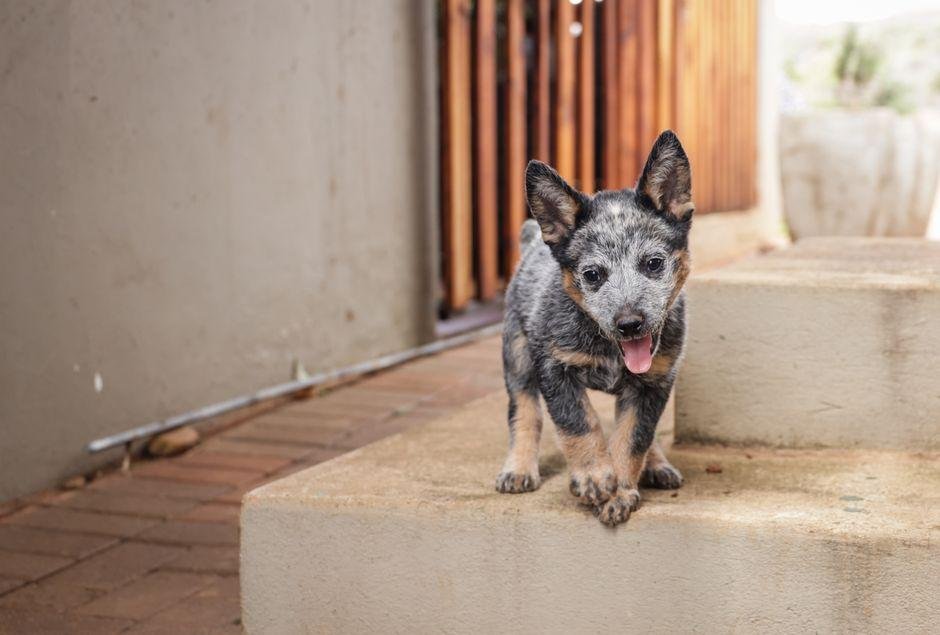
If you’ve got a puppy, you already know they can be equal parts adorable angel and tiny tornado. Finding the right boarding program can make travel easier while also helping your dog build good habits and confidence. That can be especially valuable in Los Angeles, where millions of households share their homes with pets and busy work schedules, commuting, and travel often make dependable pet care an important part of everyday life. The key is choosing a program that prioritizes safety, structure, and positive experiences rather than relying on flashy extras.
Why Early Training Helps
Starting early gives your puppy a better shot at feeling confident in new places. Young dogs are still learning what the world is, so calm exposure to people, sounds, routines, and short separations can help them adjust without turning every change into a dramatic soap opera.
A good boarding experience isn’t just about watching your puppy while you’re away. It can support habits you’re already trying to teach at home. Think potty timing, polite greetings, rest breaks, and settling down after play. Those little lessons add up.
This also helps you. When your puppy knows how to handle a routine outside your house, trips feel less stressful. You’re not just crossing your fingers and hoping for the best. You’re setting your dog up to succeed in a place built for care, structure, and a little puppy-friendly patience.
What Good Programs Offer
If you’re looking into a Los Angeles puppy boarding school, you should expect more than a bed, a bowl, and a few random play sessions. The best programs combine safe care with age-appropriate structure, so your puppy gets both comfort and guidance while you’re away.
A strong program usually includes a predictable daily rhythm. Puppies do best when they know when it’s time to eat, nap, play, and practice simple manners. That rhythm can reduce overstimulation, which is a fancy way of saying fewer zoomies fueled by chaos.
Look for basics like supervised social time, clean sleeping spaces, feeding consistency, and staff who understand puppy behavior. It also helps if the program works on beginner skills such as leash manners, name response, and settling quietly. You’re not expecting your pup to come home reciting Shakespeare, but some real progress should be part of the deal.
Signs Your Puppy Is Ready
Not every puppy is ready for a boarding program right away, and that’s okay. A good first sign is that your puppy can spend a little time away from you without panicking. They don’t have to love it, but they should be able to recover and settle.
It also helps if your puppy has started their vaccination schedule and has basic comfort around new people. Staff members will be handling meals, potty trips, and transitions, so a puppy who can accept gentle guidance usually adjusts more smoothly.
Another green flag is the ability to calm down after excitement. Puppies are supposed to be bouncy, but if yours can play, pause, and rest, that’s a great sign. A boarding setting has lots going on. Dogs who can switch off after activity tend to have an easier time.
If your puppy is extra shy or super intense, don’t rule it out. Just ask whether the program can adjust to that personality instead of expecting every dog to fit one mold.
Questions Worth Asking
Before you book anything, ask practical questions. A polished website is nice, but clear answers matter more. You want to know how the place actually runs when the day gets busy and three puppies decide socks are a food group.
Start with the daily routine. Ask things like:
- How much rest time do puppies get?
- Are play groups based on size and temperament?
- What beginner training is included?
- How often do staff give updates?
Then ask about safety and cleanliness. Find out how they handle accidents, illness concerns, and nervous puppies. Ask who supervises the dogs and what experience they have with young pups.
You should also ask how they manage feeding routines and whether they can follow your puppy’s normal schedule. A good program won’t act annoyed by these questions. They’ll welcome them because organized care should never be a mystery.
Preparing For The First Stay
A smooth first stay starts at home. If your puppy has never spent time in a crate, never been left with someone else, and never followed a routine, boarding day may feel like a lot. You can make it easier by building small skills ahead of time.
Practice short separations first. Give your puppy a chew or toy, step away, and come back before they get too worked up. This teaches them that you leave and return, which is a big emotional lesson for a little dog.
Pack clearly and keep it simple. Bring their food, feeding instructions, and any approved comfort item if the facility allows it. Share useful details, like potty habits, nap times, and what helps your puppy settle.
When drop-off day comes, try not to turn goodbye into a dramatic airport scene. Stay calm, be warm, and keep moving. Puppies read your energy fast. If you act like everything is okay, they’re more likely to believe you.
How To Judge The Results
When your puppy comes home, don’t expect instant perfection with a graduation cap on their head. Good results are usually subtle at first. You may notice better settling, calmer greetings, or improved response to simple cues like their name or “sit.”
You should also look at their overall mood. A healthy puppy may be a little tired after boarding, but they should still seem comfortable, alert, and able to return to normal life without seeming shut down or overwhelmed.
The biggest clue is whether the experience helped create momentum. Maybe your puppy is easier on leash, less wild around meals, or more confident with new people. That’s real progress.
Still, boarding isn’t magic. It works best when you keep the routine going at home. If your puppy learned good habits during their stay, you need to reinforce them. Think of it like brushing your teeth. One great cleaning helps, but the daily follow-through is what keeps things shining.
One Comment