
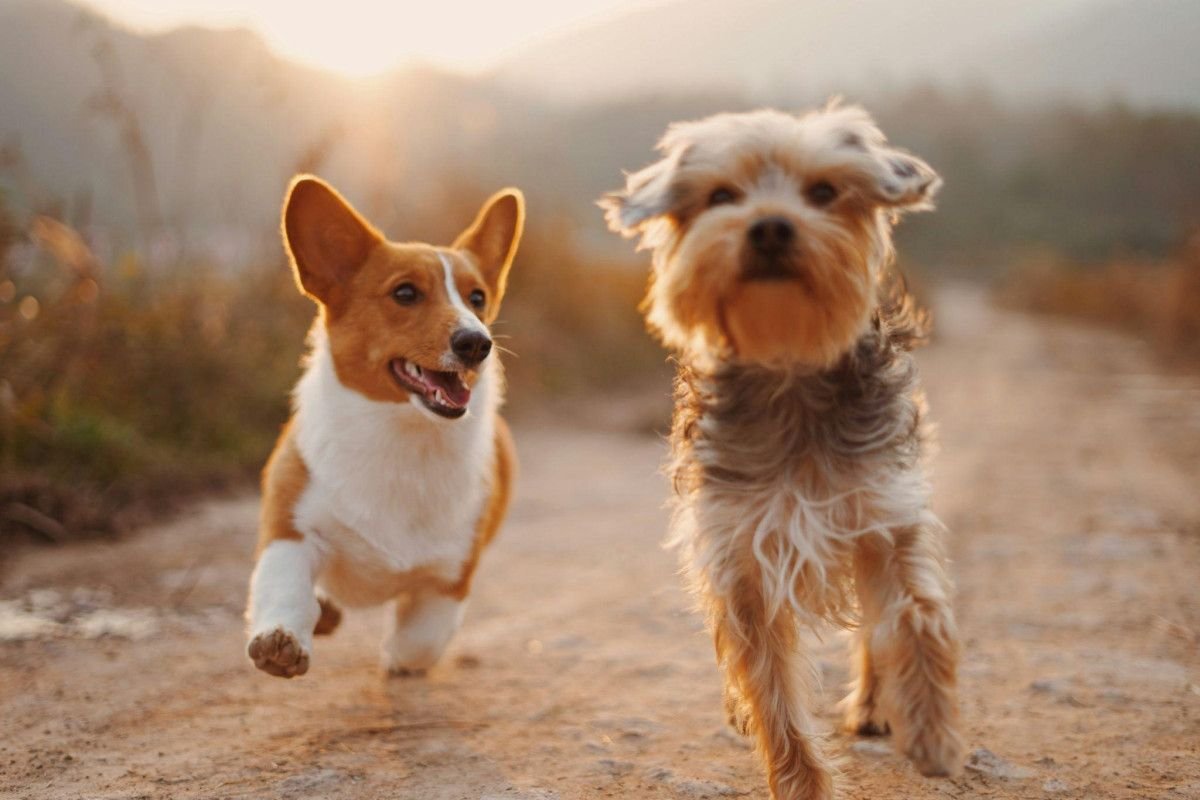
Watching a dog become less active can be difficult for any owner. A pet that once ran enthusiastically through the yard may begin hesitating before climbing stairs, taking longer to stand after resting, or avoiding walks that were once part of its daily routine. While aging is a natural process, reduced mobility does not automatically mean a dog can no longer enjoy an active and fulfilling life.
With thoughtful adjustments, proper veterinary care, and the right support, many dogs continue to explore, play, and spend quality time with their families long after mobility challenges begin.
Understand What’s Causing the Change
The first step is determining why your dog’s mobility has declined. Arthritis, hip dysplasia, degenerative myelopathy, neurological disorders, injuries, post-surgical recovery, and limb amputations can all affect movement in different ways. Because treatment varies depending on the underlying condition, a veterinary examination is essential before making changes to your dog’s routine.
After a diagnosis has been established, supportive equipment can often help dogs regain confidence and independence. Owners researching mobility solutions sometimes begin with resources such as https://walkinpets.com/, where they can learn more about equipment designed specifically for dogs adapting to limb loss and changing mobility needs. Choosing appropriate support early can make everyday activities safer and more comfortable while helping dogs remain active.
Keep Your Dog Moving at a Comfortable Pace
Exercise remains important even when mobility becomes limited, but the goal changes from maximizing activity to maintaining comfort and muscle strength. Instead of one long walk, several shorter outings throughout the day may be easier for your dog to manage.
Gentle movement helps preserve joint flexibility while reducing stiffness that often develops after long periods of rest. Swimming or professionally supervised hydrotherapy may also provide low-impact exercise for some dogs because the water supports body weight while allowing comfortable movement.
Every dog has different limits, so activity should be adjusted according to energy level and veterinary recommendations rather than following the same routine used during younger years.
Make Your Home Easier to Navigate
Small changes around the house can have a significant impact on your dog’s daily comfort.
Slippery hardwood or tile floors often become challenging for dogs experiencing weakness or poor balance. Non-slip rugs and runners can provide additional traction throughout frequently used areas. Orthopedic beds help cushion joints while making it easier for dogs to stand after resting.
Ramps may also reduce strain when accessing vehicles, furniture, or outdoor spaces. Elevating food and water bowls slightly can improve comfort for dogs that experience neck or shoulder discomfort while eating.
These adjustments allow dogs to remain engaged in family life without placing unnecessary stress on their bodies.
Pay Attention to Emotional Well-Being
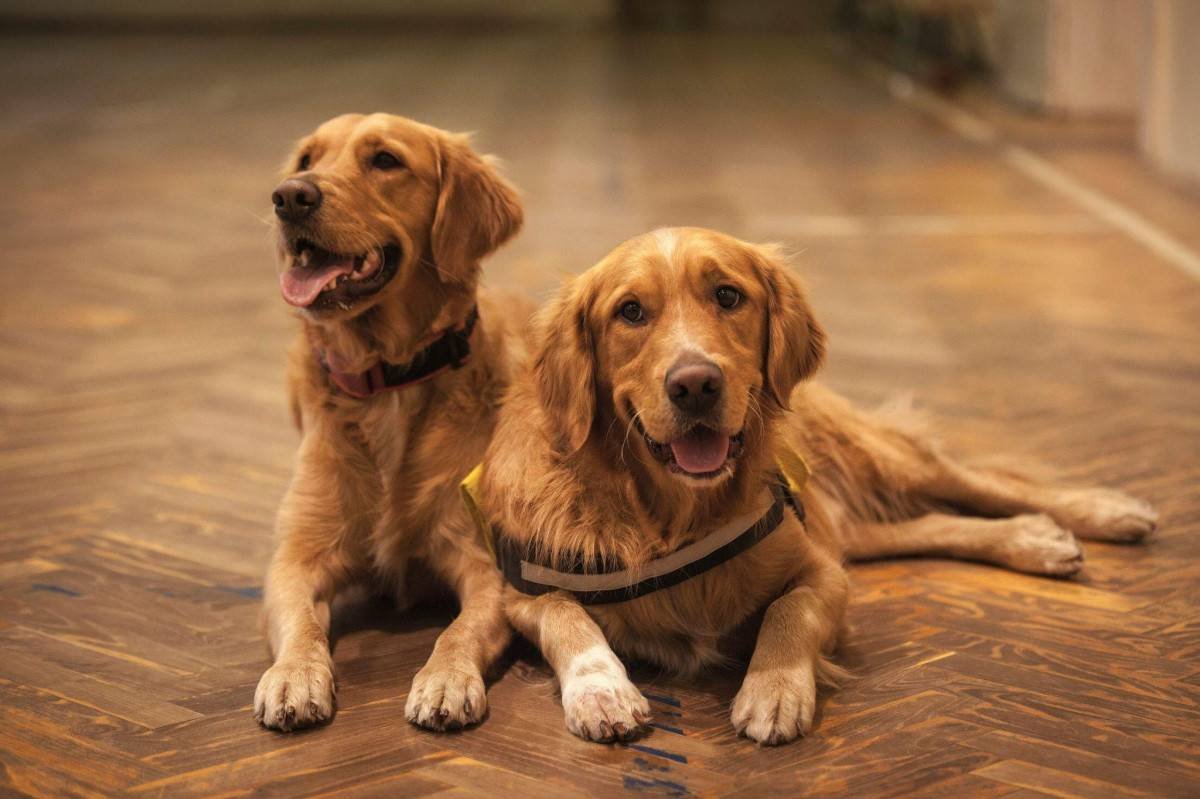
Mobility limitations affect more than physical movement. Dogs often become frustrated when they can no longer perform activities that once came naturally. Maintaining emotional stimulation therefore becomes just as important as supporting physical health.
Interactive toys, scent games, basic training exercises, and gentle exploration of new environments provide mental enrichment without requiring strenuous activity. Spending time together through grooming, relaxed walks, or simply sitting outdoors helps preserve routines that many dogs continue to enjoy.
Because dogs tend to respond to their owners’ emotions, remaining patient and encouraging often helps build confidence during periods of adjustment.
Monitor Progress Instead of Expecting Perfection
Recovery and adaptation rarely follow a straight line. Some days your dog may appear energetic, while other days require additional rest. Rather than focusing on returning to previous levels of activity, pay attention to gradual improvements in comfort, confidence, and willingness to participate in everyday life.
Regular veterinary follow-up appointments help evaluate whether medications, rehabilitation exercises, or mobility equipment should be adjusted as your dog’s condition changes.
Owners who document their dog’s progress with notes or short videos often find it easier to recognize positive changes that might otherwise go unnoticed over weeks or months.
Celebrate the Activities Your Dog Still Enjoys
Mobility challenges do not define a dog’s quality of life. Many dogs continue enjoying family outings, meeting new people, exploring familiar parks, playing gentle games, and spending meaningful time with those they love despite physical limitations.
The focus gradually shifts from measuring how far or how fast a dog can move to ensuring each activity remains comfortable, safe, and enjoyable. With appropriate medical care, environmental adjustments, and supportive mobility aids when needed, many dogs continue experiencing active, rewarding lives while maintaining the strong bond they share with their families.