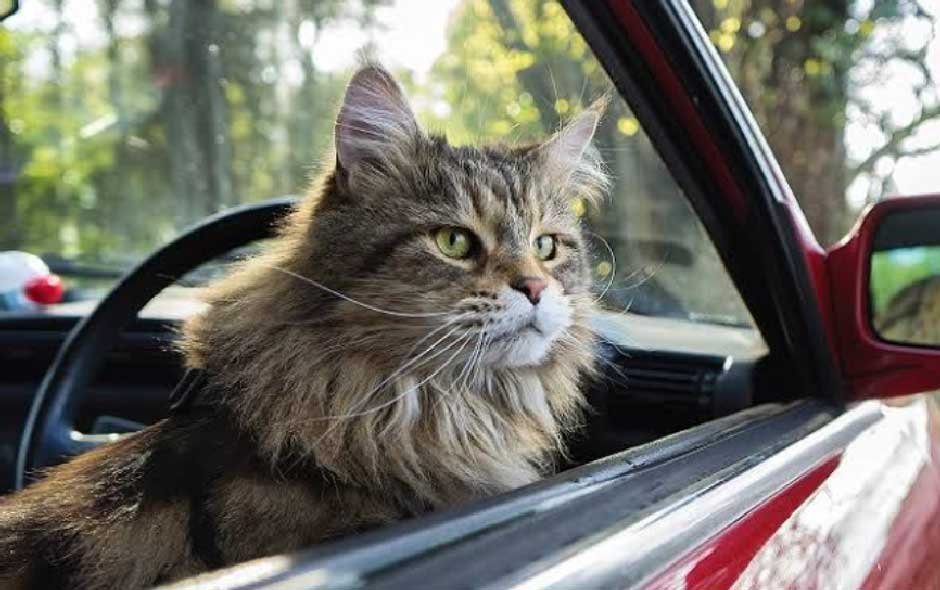
Traveling with a cat in the car starts with a secure carrier, a pre-trip vet visit, and a practice run around the block. Most cats find car travel stressful because the motion, noise, and unfamiliar environment trigger their flight response. But with the right preparation, including a familiar-smelling blanket inside the carrier, a steady cabin temperature, and a calm driver, you can turn a howling ordeal into a manageable journey. This guide covers everything from packing the litter box to handling an eight-hour drive without anyone losing their mind.
Prepare Your Cat Before the Trip
A successful car trip with a cat starts days before you turn the ignition. The single most important step is a vet visit. Your veterinarian checks that vaccinations are current, flags any health issues that could flare under stress, and can prescribe anti-anxiety medication if your cat has a history of extreme distress in the car. Some cats benefit from gabapentin, prescribed at a low dose, given one to two hours before departure.
Microchipping is the second non-negotiable, especially for long-distance travel. The procedure costs around $50 at most clinics, takes seconds, and the rice-grain-sized chip is not noticeable to the cat. If your indoor cat bolts at a rest stop, a microchip is the difference between reuniting and never seeing them again. Make sure the chip registration is linked to your current phone number before leaving.
Practice runs are the third pillar. A five-minute drive to the vet is not preparation for a six-hour highway trip. Start with a fifteen-minute loop near home. Watch how your cat reacts: panting, crying, and pacing are normal at first. On the second or third run, many cats begin settling after the initial twenty minutes. These rehearsals also let you test whether your carrier setup works before you are two states away with no Plan B.
What to Pack: The Cat Travel Checklist
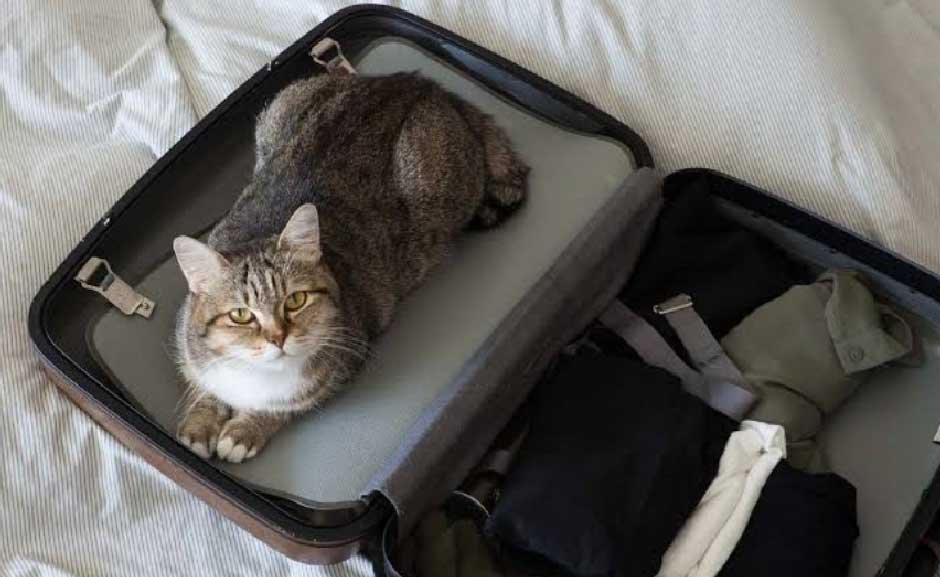
Packing for a cat looks surprisingly like packing for a toddler, minus the diapers and plus a litter box. Every item on this list earned its spot through road-tested trial and error. Skip something, and you will probably regret it at mile 200.
| Category | Item | Why It Matters |
|---|---|---|
| Carrier | Hard-sided carrier with removable liner | Seatbelt-securable, easier to clean, safer in sudden stops |
| Comfort | Favorite blanket or towel | Familiar scent reduces stress; drape over carrier to block visual overstimulation |
| Litter | Disposable litter box + lightweight litter + plastic liners | Portable bathroom for rest stops; disposable boxes need no scrubbing |
| Food & Water | Dry food, collapsible bowl, water bottle | Offer food at rest stops; most cats will not drink while moving |
| Calming | Feliway spray, calming treats, any prescribed medication | Spray carrier 15 min before loading; treats help during the first 1-2 stress hours |
| Cleanup | Paper towels, pet-safe wipes, trash bags | Accidents happen; be ready to clean without pulling over unsafely |
| ID | Updated collar tag + microchip confirmation + printed vet records | If crossing state lines, some states require health certificates |
One item seasoned cat travelers swear by is Feliway, a synthetic feline facial pheromone spray. Spray the carrier interior about fifteen minutes before loading the cat. It signals safety to the cat’s brain in a language they already understand. It will not sedate an agitated animal, but it takes the edge off for many.
On the Road: Feeding, Litter, and Keeping Your Cat Calm
Feed your cat a light meal three to four hours before departure. A full stomach plus motion sickness equals a mess you do not want to deal with at 70 miles per hour. During the drive, offer dry food at rest stops but do not expect enthusiasm. Most cats eat sparingly while traveling; what matters is that they eat normally once you stop for the night.
Hydration is trickier than food. Cats in motion rarely drink, which is fine for trips under four hours. For longer drives, feed wet food at the morning stop and again at night. The moisture content in wet food accounts for much of a cat’s daily water intake, so do not panic if the water bowl stays untouched during the drive.
The litter box is the part nobody prepares for. The solution that actually works: pull into a rest area, remove the luggage from the backseat floor to create space, set a disposable litter box in the gap, and close the doors. Give the cat ten minutes of quiet in the carrier before opening it. Many cats will use the box almost immediately once the car is still and the doors are shut. Afterward, wrap the box in a plastic liner and stow it until the next stop.
“I drove ten hours with two cats. They were harnessed and leashed the whole drive with a litter box in the backseat. They each got a small amount of gabapentin prescribed by the vet. They meowed for the first 20-30 minutes then settled. I covered their carriers with a blanket and they slept most of the way.”
— r/CatAdvice, 137 upvotes, 79 comments (2021), source
Several cat owners on Reddit report the same pattern: loud protests for the first twenty to thirty minutes, then resignation. One strategy that surfaced repeatedly is covering the carrier with a lightweight blanket. It blocks the visual chaos of passing scenery, which seems to be the main stress trigger. The cat still hears road noise but stops seeing the world rush past. That alone can cut the crying time in half.
Safety Rules for Car Travel with Cats
The safest place for a cat in a moving car is inside a hard-sided carrier secured with a seatbelt. A free-roaming cat can crawl under the brake pedal, wedge behind the driver’s seat, or become a projectile in a sudden stop. A fifteen-pound cat in a 30-mile-per-hour collision generates roughly 450 pounds of force — enough to injure both the animal and passengers.
Never, under any circumstance, leave a cat alone in a parked car. Even with windows cracked, the cabin temperature can climb past 100 degrees Fahrenheit in under ten minutes on a mild day. If you are traveling solo and need a bathroom break, take the carrier with you or use drive-through options where possible. Plan gas station stops so one person always stays with the vehicle.
Temperature regulation is another layer of safety. Position the carrier away from direct sunlight coming through windows. Keep the air conditioning running and check periodically that air is reaching the carrier, not just the front seats. A small clip-on fan aimed at the carrier can make the difference between a cat that pants from heat and one that naps through the drive.
Short Trips vs. Long-Distance: What Changes
A twenty-minute vet visit and a cross-state relocation require fundamentally different strategies. For short trips under two hours, the essentials are a carrier, a familiar blanket, and a calm driver. Skip the food, skip the litter box, and just get there. The cat will recover within minutes of arriving.
Long-distance trips — anything over four hours — demand the full protocol: vet clearance, microchip verification, a packed bathroom station, scheduled rest stops every two to three hours, and a plan for overnight accommodations. Pet-friendly hotels are common, but confirm the policy when booking. Most La Quinta, Motel 6, and Red Roof Inn locations accept cats without weight limits, while many Marriott and Hilton properties charge pet fees ranging from $50 to $150 per stay.
Multi-day trips add another variable: the cat needs time to acclimate each evening. Set up the litter box, food, and water immediately upon arrival before dealing with your own luggage. Keep the carrier open so the cat can retreat if the new room feels threatening. A cat that spends the first two hours of every hotel stop hiding under the bed will eventually adapt, but the routine needs to be consistent at every stop.
Frequently Asked Questions
How long can a cat travel in a car without a break?
Most cats can handle four to six hours of continuous car travel before needing a break for water, a litter box visit, and a stretch. Stop every two to three hours for trips longer than four hours. Do not let the cat out of the carrier unless all doors and windows are closed.
Should I let my cat roam free in the car during a trip?
No. A free-roaming cat is a safety hazard for both the animal and the driver. A cat can crawl under pedals, obstruct your view, or become a projectile in a crash. If you want to give the cat more room, use a larger carrier or a harness-and-seatbelt tether designed for pets.
Can I give my cat something to calm them down for car travel?
Yes, but only under veterinary guidance. Feliway spray and over-the-counter calming treats work for mild anxiety. For moderate to severe stress, vets may prescribe gabapentin or trazodone. Never use human medications or over-the-counter sedatives without explicit veterinary approval.
What if my cat gets carsick during the trip?
Motion sickness in cats usually shows as vomiting, drooling, or excessive vocalization. Withhold food for three to four hours before the trip to reduce nausea. For chronic carsickness, ask your vet about Cerenia, a prescription anti-nausea medication that is safe for cats and lasts about 24 hours.
Do cats need a litter box on short car rides?
For trips under two hours, most cats do fine without a litter box. A healthy adult cat normally urinates once or twice a day, so a short drive will not cause discomfort. For rides longer than three hours, pack a disposable litter box and plan a rest stop.
How do I find pet-friendly hotels when traveling with a cat?
Use BringFido.com or the “Pets Allowed” filter on booking sites. Call ahead to confirm the cat policy; some hotels that accept dogs do not accept cats. Budget-friendly chains like Motel 6 and La Quinta are reliably cat-friendly with no or low pet fees.