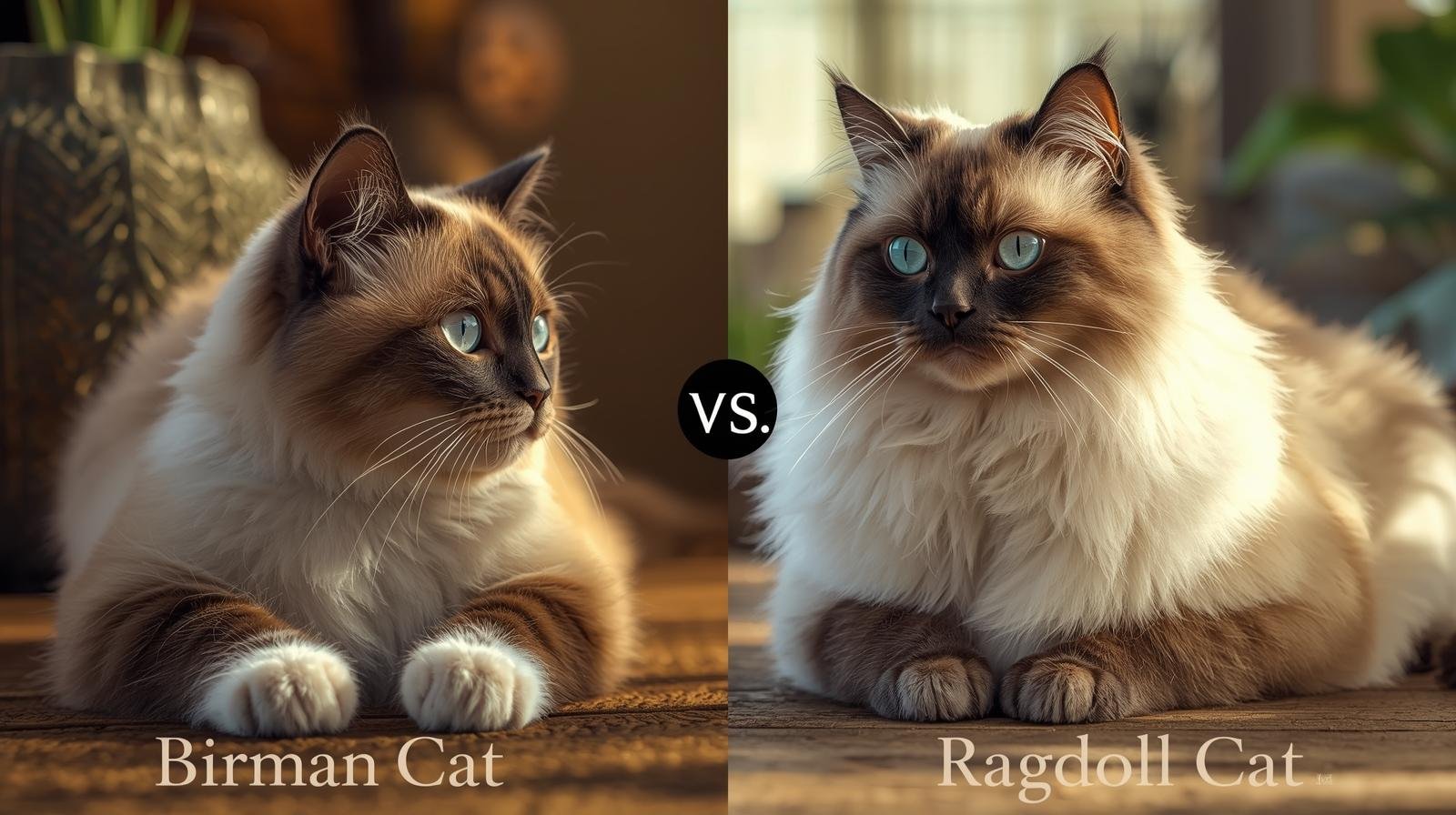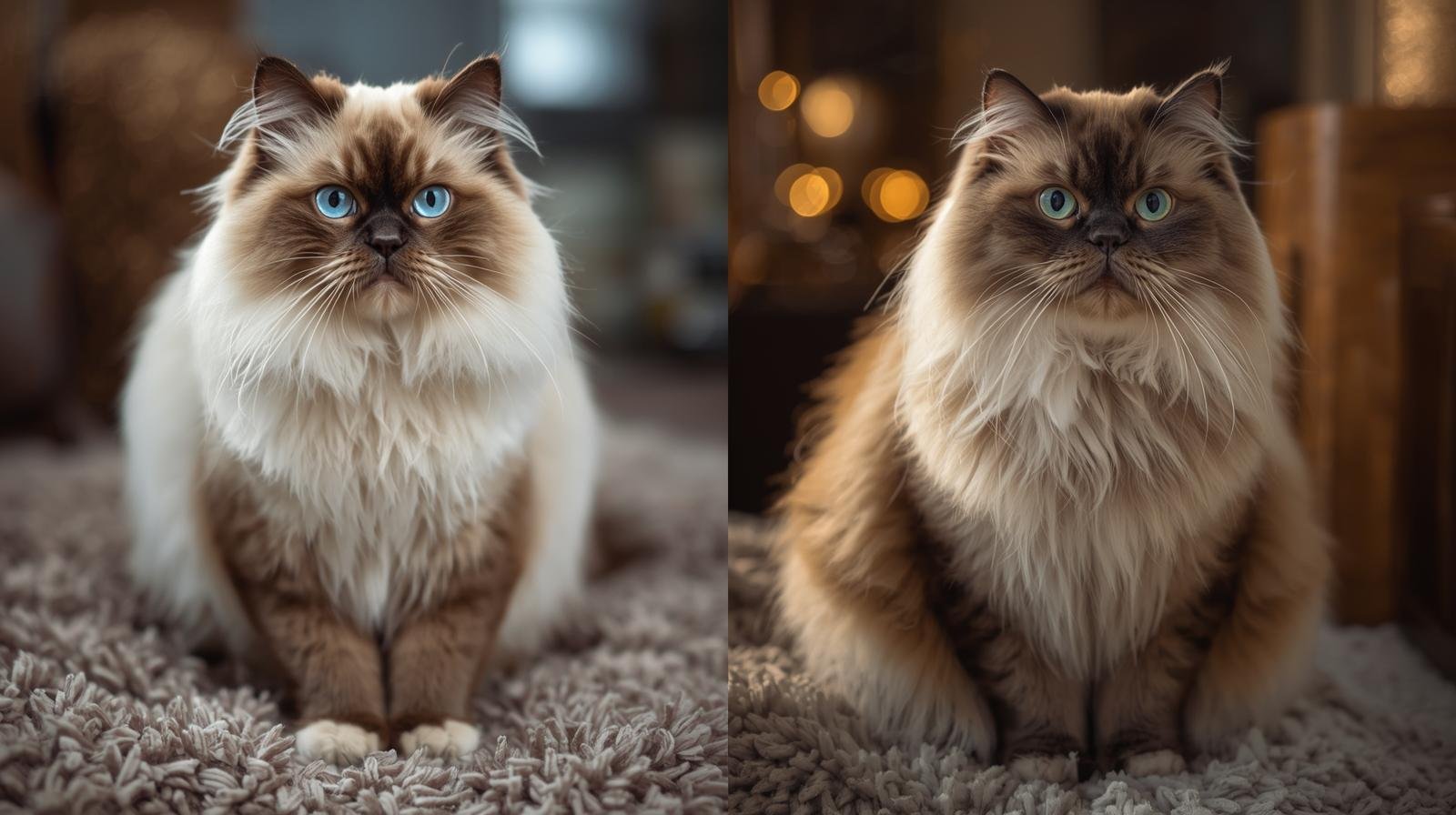
Lilac vs Blue Ragdoll: The Complete Guide

Introduction: Two Colors, One Irresistible Breed
I’ll be honest the first time I saw a lilac vs blue ragdoll comparison photo, I could barely tell them apart. Both looked like soft, dreamy clouds with sapphire eyes. But the more I researched, the more fascinating the differences became.
If you’re trying to decide between a lilac vs blue ragdoll or you simply want to understand what makes each so special you’re in the right place. These two color variations of the Ragdoll breed are among the most beloved cats in the world, and for good reason. They share the same gentle, floppy personality that makes Ragdolls famous, yet their distinct coat colors, genetics, rarity levels, and price tags set them apart in meaningful ways.
In this guide, we’ll walk through everything you need to know about the lilac vs blue ragdoll debate, from coat genetics to grooming, temperament to cost. Let’s dive in.
What Makes Ragdoll Cats So Special?
Before we get into the lilac vs blue ragdoll comparison, it’s worth appreciating what makes the Ragdoll breed unique in the first place.
Originally developed in California during the 1960s by breeder Ann Baker, the Ragdoll was purpose-built for gentleness, beauty, and affection. The name comes from the cats’ signature tendency to go completely limp when held — just like a ragdoll toy. These are large, semi-longhaired cats with striking blue eyes, silky coats, and a temperament so calm they’re often called “puppy cats.”
Both the Cat Fanciers’ Association (CFA) and The International Cat Association (TICA) consistently rank Ragdolls among the most popular pedigree cat breeds in the world. According to data from pet industry analysts, Ragdoll cats rank as one of the top three most registered breeds year after year a testament to their widespread appeal.
Ragdolls come in six recognized colors — seal, blue, red, lilac, cream, and chocolate — and three primary patterns: colorpoint, mitted, and bicolor. Within this spectrum, the lilac vs blue ragdoll pairing stands out as particularly beloved and frequently confused.
For those also interested in similarly large, gentle cats, our MaineCoon Guides offer a deep dive into another iconic breed worth comparing.
Lilac vs Blue Ragdoll: At a Glance
Here’s a quick comparison table to orient you before we go deeper:
| Feature | Lilac Ragdoll | Blue Ragdoll |
|---|---|---|
| Point Color | Frosty grey with pinkish-lavender tones | Deep, steely blue-grey |
| Body Color | Glacial white / milk-white | Creamy bluish-white |
| Nose Leather | Lavender-pink | Slate grey |
| Paw Pads | Pink/lavender | Slate/dark blue |
| Rarity | Very rare | Less common than seal, more common than lilac |
| Price Range | $2,000–$5,000+ | $1,500–$3,500 |
| Genetics | Dilute of chocolate (bb + dd) | Dilute of seal (BB/Bb + dd) |
| Recognition | CFA & TICA approved | CFA & TICA approved |
The Core Difference: Color and Coat
The most obvious place to start any lilac vs blue ragdoll discussion is with the coat itself.
Blue Ragdoll Coat: Classic and Distinguished
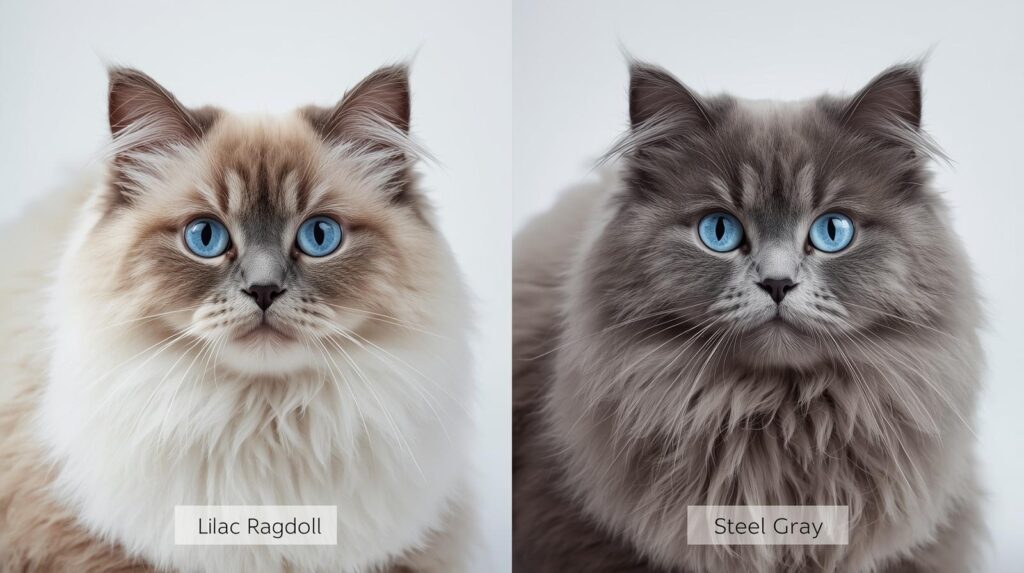
A Blue Ragdoll wears a coat of deep, steely blue-grey on its points the ears, face mask, legs, and tail. The body is a soft creamy bluish-white, lighter than the points but still with a cool grey undertone. Think of it as the classic Ragdoll look, refined and regal.
The Blue Ragdoll is the second most popular color after Seal Point, which means they’re easier to find than most other color variations. Their slate-grey nose leather and darker paw pads are reliable identifiers when telling them apart from their lilac cousins.
Lilac Ragdoll Coat: Ethereal and Rare
Now here’s where the lilac vs blue ragdoll story gets really interesting. The Lilac Ragdoll is essentially a washed-out, warmer version of blue — and the result is breathtaking. Lilac points appear as frosty grey with a distinctive pinkish-lavender undertone, giving the cat an almost ethereal, pastel quality. The body fur is glacial white rather than creamy.
Those lavender-pink nose leathers and matching paw pads are the easiest way to confirm you’re looking at a lilac. If you’re ever unsure whether your cat is blue or lilac, look at the nose and paw leather first it’s the clearest visual tell.
The Genetics Behind Lilac vs Blue Ragdoll Colors
Understanding the genetics makes the lilac vs blue ragdoll distinction even more fascinating.
How Blue Ragdolls Get Their Color
Blue is the dilute form of seal. Seal Ragdolls carry the dominant B allele (controlling black pigmentation), and when paired with two copies of the dilution gene dd, the result is a softened, grey-blue version of the seal’s deep brown-black. Blue is relatively more straightforward to breed, which is part of why Blue Ragdolls are more accessible.
How Lilac Ragdolls Get Their Color
The lilac coat requires a much rarer genetic combination. Lilac is actually the dilute form of chocolate not blue. To produce a Lilac Ragdoll, both parents must carry two copies of the recessive b allele (bb), which produces the chocolate base, plus two copies of the dilution gene (dd). This double-recessive requirement means:
- Both parents must be chocolate or lilac (or carriers)
- True lilac kittens are statistically rare even in targeted breeding programs
- Lilac is considered the rarest of all recognized Ragdoll colors
This genetic complexity is why any lilac vs blue ragdoll conversation inevitably touches on rarity and price.
Rarity: How Hard Are They to Find?
When it comes to the lilac vs blue ragdoll availability question, the contrast is significant.
Blue Ragdolls are the second most popular Ragdoll color, trailing only the Seal Point. While not common in the way a random shelter cat might be, Blue Ragdolls are regularly bred and relatively easier to source from reputable catteries.
Lilac Ragdolls, on the other hand, are a different story. Many experienced breeders consider lilac the rarest Ragdoll color, particularly in rarer pattern combinations like lilac lynx point or lilac bicolor. If you want a Lilac Ragdoll, expect to join a waiting list sometimes a long one.
Price: What Will You Pay?
The price difference in the lilac vs blue ragdoll market reflects their different rarity levels directly.
According to current pricing data from reputable breeders in 2025–2026:
- Pet-quality Ragdoll kittens (both blue and lilac) typically range from $1,500 to $3,500 from ethical breeders
- Show-quality Ragdolls can reach $3,500 to $6,000+
- Lilac Ragdolls specifically command a premium due to their rarity, often sitting at the higher end of pricing ranges
- Adoption fees from shelters or rescues range from $50 to $400, though Ragdolls rarely appear in shelters
Monthly ownership costs food, grooming, and veterinary care typically run between $265 and $750 per month, regardless of color.
When comparing lilac vs blue ragdoll costs, the lilac will generally be harder to find and more expensive when you do. Budget accordingly, and always source from TICA- or CFA-registered breeders.
Personality and Temperament: Any Difference?
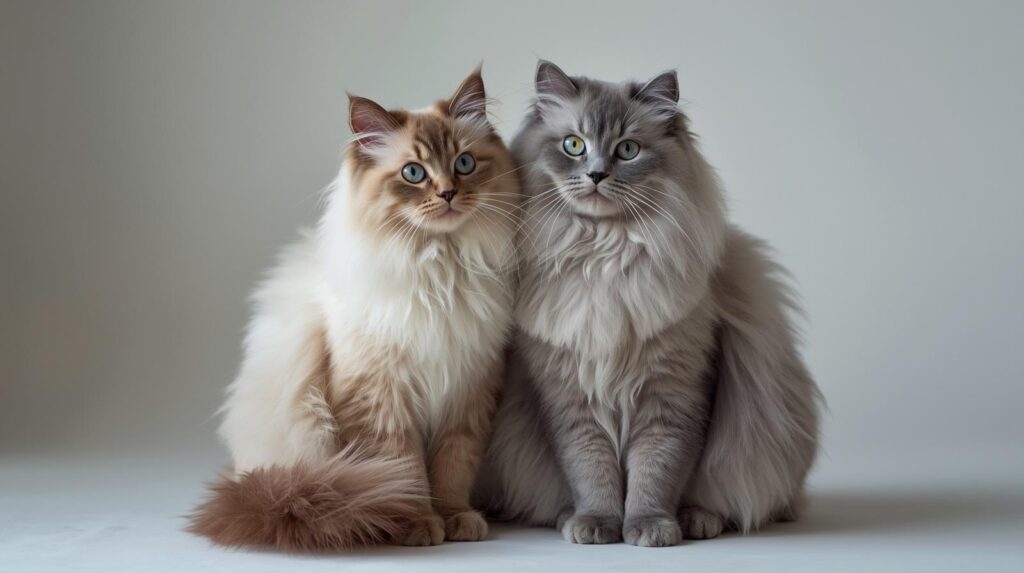
Here’s where the lilac vs blue ragdoll comparison delivers a pleasant surprise: they’re virtually identical in temperament.
Both are:
- Docile and calm — Ragdolls consistently rank as one of the most gentle and patient cat breeds
- Highly affectionate — they’ll follow you from room to room and love lap time
- Great with children and other pets — their tolerant nature makes them ideal family cats
- Not overly vocal — unlike Siamese or other breeds, Ragdolls communicate quietly
- “Floppy” — both will go limp in your arms, the breed’s most endearing trait
Some owners of Lilac Ragdolls report perceiving them as slightly more “delicate” in personality, but this is more likely a psychological projection of their softer coloring than a genuine behavioral difference. Both lilac and blue Ragdolls embody the same loving, easygoing temperament that made the breed famous.
Grooming Needs: Similar for Both
Neither the lilac vs blue ragdoll requires dramatically different grooming, though both need consistent care.
Ragdolls have semi-long, silky coats that lack the dense undercoat common in other longhaired breeds, which makes them somewhat resistant to matting. However, they do shed — especially during spring and fall — so:
- Brush twice a week minimum with a slicker brush or wide-tooth comb
- Bathe occasionally (once a month is generally sufficient)
- Trim nails every two to three weeks
- Brush teeth regularly for good oral hygiene
- Schedule professional grooming every few months if desired (typically $30–$110 per session)
One note for Lilac Ragdoll owners: their lighter, white-toned fur may show dirt and staining more readily than a Blue Ragdoll’s slightly darker coat. Keep this in mind if your cat likes outdoor adventures.
Health Considerations for Both Colors
Neither the lilac nor blue variant carries unique health risks based on color alone. Both share the same Ragdoll breed health profile, which includes:
- Hypertrophic Cardiomyopathy (HCM) — a genetic heart condition Ragdolls are predisposed to; regular cardiac screening is recommended
- Urinary Tract Infections (UTIs) — Ragdolls can be prone to these; monitor hydration and litter box habits
- Obesity — their laid-back nature means they may not self-regulate activity; monitor diet carefully
With proper care, Ragdolls typically live 12 to 16 years, giving you over a decade of companionship with your lilac or blue companion.
Which Should You Choose? Lilac vs Blue Ragdoll
So when it comes to the lilac vs blue ragdoll decision, how do you choose?
Choose a Blue Ragdoll if:
- You want a beautiful Ragdoll that’s easier to find
- You prefer the classic, cool-grey sophisticated look
- Your budget is more limited
- You don’t want to wait on a long breeder waitlist
Choose a Lilac Ragdoll if:
- You’re drawn to the soft, pastel, ethereal aesthetic
- You don’t mind paying a premium for rarity
- You’re patient enough to wait for a reputable breeder
- You want something truly distinctive and conversation-worthy
Honestly? Both are wonderful. The lilac vs blue ragdoll debate doesn’t have a “right” answer it comes down entirely to your personal taste and circumstances. What I can tell you from experience is that whichever color you choose, you’re bringing home one of the sweetest, most loving cats on the planet.
Frequently Asked Questions (FAQ)
1. How do I tell a lilac Ragdoll apart from a blue Ragdoll?
The easiest way is to check the nose leather and paw pads. Lilac Ragdolls have lavender-pink nose leather and pinkish paw pads, while Blue Ragdolls have slate-grey nose leather and darker bluish-grey paw pads. The body color also differs lilac cats have glacial white bodies, while blue cats have a creamy bluish-white coat.
2. Are lilac Ragdolls rarer than blue Ragdolls?
Yes, significantly. Lilac is widely considered the rarest recognized Ragdoll color because producing it requires both parents to carry two copies of the recessive chocolate gene (bb) plus two copies of the dilution gene. Blue, by comparison, is the second most popular Ragdoll color after seal.
3. Do lilac and blue Ragdolls have different personalities?
No meaningful behavioral differences exist between the two. Both share the Ragdoll breed’s signature calm, affectionate, and floppy temperament. Any perceived personality differences tend to be projections based on their coat color rather than actual behavioral traits.
4. How much does a lilac Ragdoll cost compared to a blue Ragdoll?
Both typically range from $1,500 to $3,500+ for a pet-quality kitten from a reputable breeder, with show-quality cats reaching $6,000 or more. Lilac Ragdolls often command a higher price within those ranges due to their rarity and the specialized breeding required to produce them.
5. Can a DNA test confirm whether my cat is lilac or blue?
Absolutely. Home DNA testing kits like Basepaws or Wisdom Panel can detect the genetic markers responsible for coat color, including the b allele for chocolate/lilac and the dilution gene. This is especially useful for kittens, whose colors may not fully develop for several months so which would you trust more: your eyes or the genetics?