How to Keep Your Maine Coon Healthy and Happy for Years

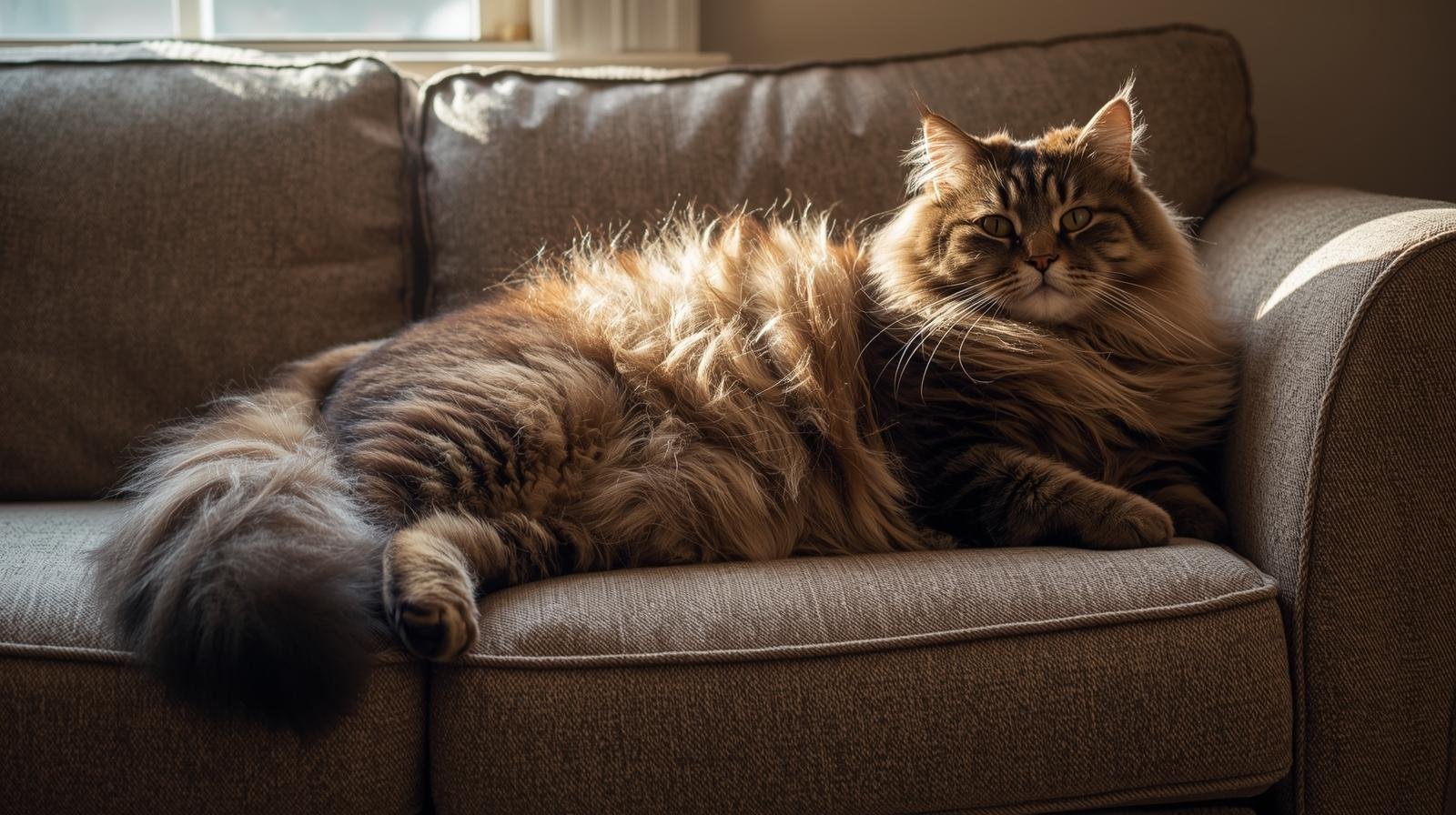
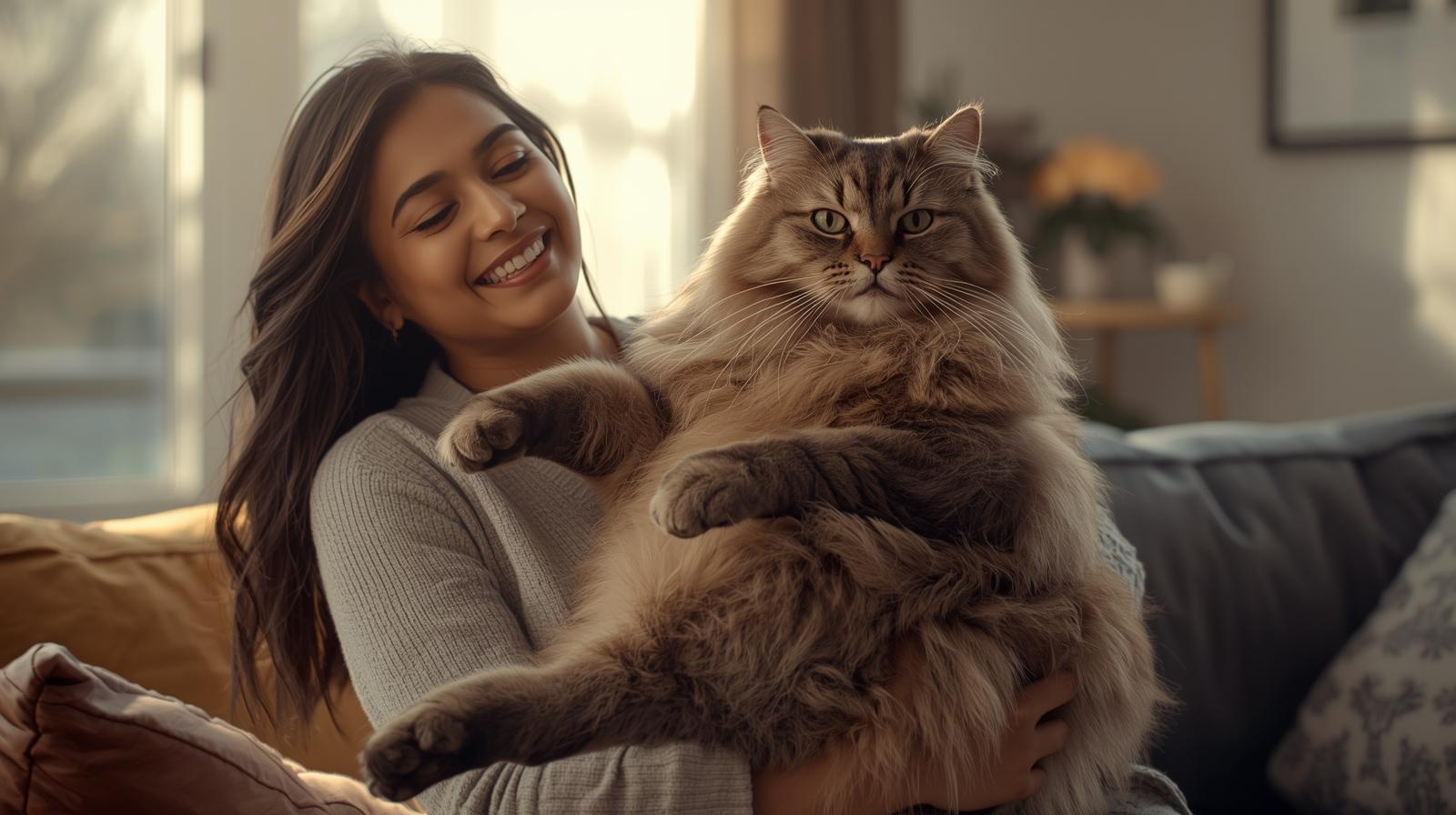
For cat lovers in Stone Mountain, welcoming a Maine Coon into the family is an exciting experience. Known for their impressive size, playful personalities, and affectionate nature, Maine Coons are often called the “gentle giants” of the cat world. While they are generally hardy cats, they also have unique grooming, nutritional, and healthcare needs that deserve extra attention. Understanding these requirements from the beginning helps owners provide the best possible care throughout every stage of their cat’s life. With a combination of preventive healthcare, proper nutrition, regular exercise, and plenty of affection, Maine Coons can thrive for many happy years as cherished family companions.
Preventive Veterinary Care Sets The Foundation
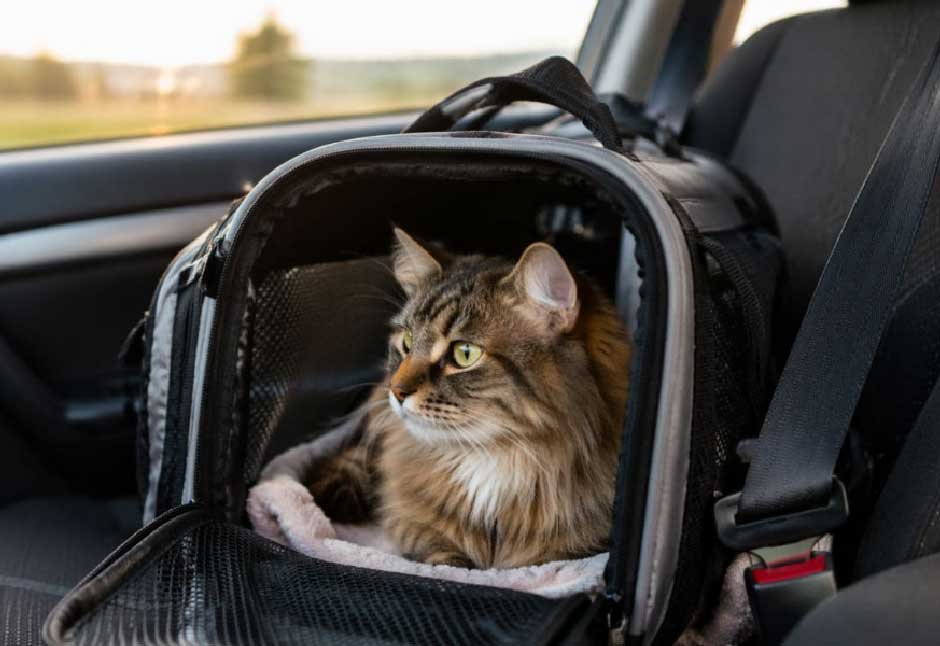
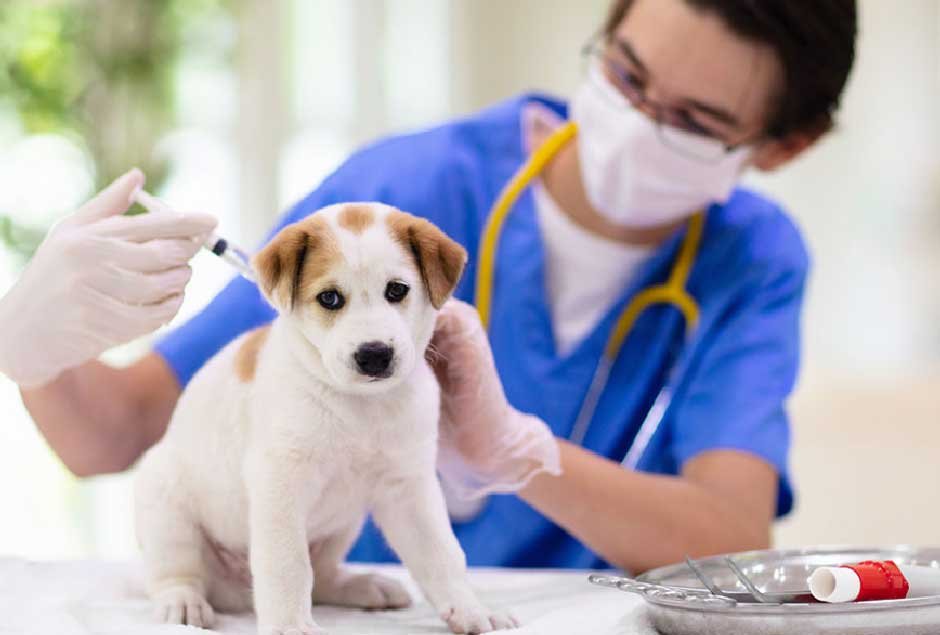
One of the most important parts of caring for a Maine Coon is establishing a relationship with a trusted veterinary team before health concerns arise. Routine wellness exams allow veterinarians to monitor growth, weight, dental health, joint condition, and any breed-specific concerns that may develop over time. Many local pet owners look for the best veterinarians of Stone Mountain when choosing long-term healthcare for their cats, especially for breeds like the Maine Coon that benefit from consistent preventive care. Veterinary practices such as MainStreet Veterinarians of Stone Mountain offer conventional veterinary medicine alongside holistic services, nutritional counseling, wellness care, surgery, dental care, and preventive healthcare designed to support pets throughout every stage of life.
Preventive care is about much more than annual vaccinations. Regular checkups create opportunities to identify subtle health changes early, discuss nutrition, answer behavioral questions, and develop individualized care plans that help Maine Coons maintain excellent long-term health.
Nutrition Plays A Bigger Role Than Many Owners Realize
Maine Coons grow more slowly than many other cat breeds and often continue developing until they are three or four years old.
Supporting that growth requires balanced nutrition rather than simply feeding larger portions.
A high-quality, protein-rich diet helps maintain muscle mass while supporting healthy skin, joints, and overall development. Fresh water should always be available because proper hydration contributes to urinary health and kidney function.
Owners should avoid making sudden changes to their cat’s diet.
Gradual transitions reduce digestive upset while allowing the cat to adjust comfortably to new foods.
Portion control also matters.
Although Maine Coons are naturally large cats, maintaining a healthy body condition reduces unnecessary strain on joints while lowering the risk of obesity-related health concerns later in life.
Healthy nutrition remains one of the simplest investments owners can make.
Grooming Keeps The Coat Healthy
The Maine Coon’s luxurious coat is one of its defining features.
It also requires regular maintenance.
Unlike some long-haired breeds, Maine Coons generally have coats that resist matting reasonably well, but regular brushing remains essential for removing loose hair, preventing tangles, and reducing shedding.
Brushing several times each week helps distribute natural oils while allowing owners to check for skin irritation, parasites, or unusual lumps that may require veterinary attention.
Pay special attention to areas behind the ears, beneath the legs, around the tail, and along the stomach where tangles are more likely to develop.
Routine nail trimming, ear cleaning when necessary, and regular dental care should also become part of the grooming routine.
Consistent grooming strengthens both health and the bond between owner and cat.
Exercise Supports Both Body And Mind
Despite their calm personalities, Maine Coons enjoy staying active.
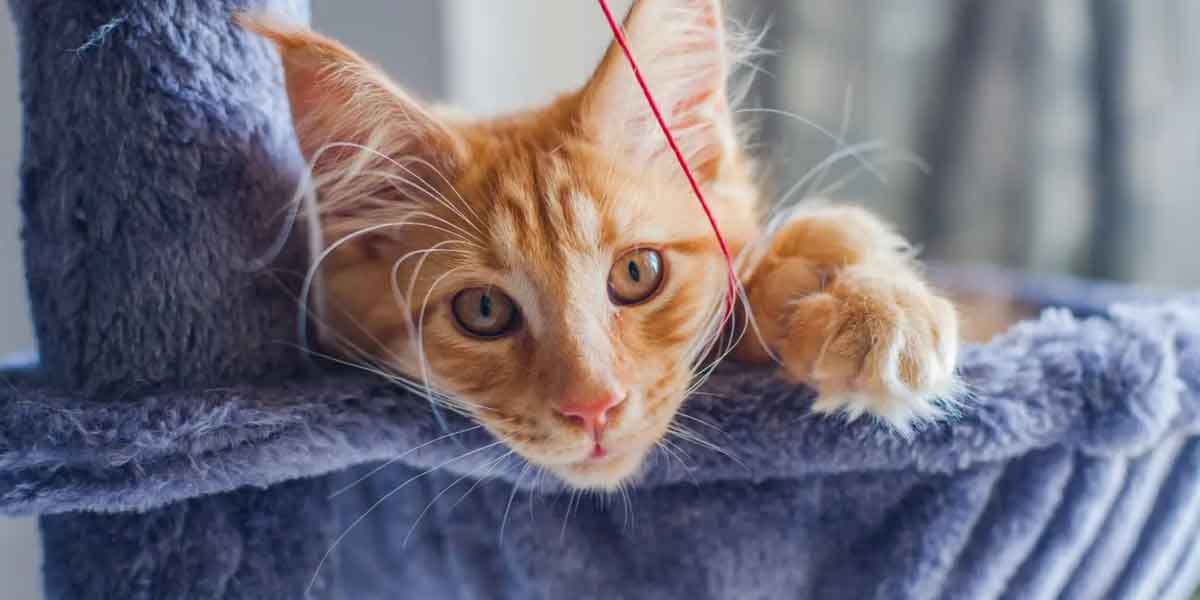
These intelligent cats benefit from daily opportunities to climb, explore, chase toys, and interact with their families.
Cat trees designed for larger breeds provide excellent climbing opportunities while supporting natural behaviors. Puzzle feeders, interactive toys, and wand games also encourage physical activity while providing valuable mental stimulation.
Many Maine Coons even enjoy learning simple tricks or walking with a properly fitted harness under safe conditions.
Regular exercise helps maintain a healthy weight while reducing boredom that can sometimes contribute to unwanted behaviors.
Activity isn’t simply about burning energy.
It supports emotional well-being as much as physical health.
Know The Breed’s Common Health Concerns
Every cat breed has certain health conditions owners should understand.
Being informed doesn’t mean expecting problems.
It simply encourages early awareness.
Maine Coons have a higher genetic risk for conditions such as hypertrophic cardiomyopathy (HCM), hip dysplasia, and spinal muscular atrophy than many other breeds. Regular veterinary examinations help monitor overall health while allowing early evaluation if symptoms or risk factors appear.
Owners should also watch for changes in appetite, breathing, mobility, grooming habits, or activity levels.
Cats naturally hide discomfort, making subtle behavioral changes particularly important.
Early veterinary evaluation often leads to better treatment options whenever health concerns arise.
Observation becomes an important part of responsible ownership.
Dental Care Is Often Overlooked
Many cat owners focus on food, grooming, and vaccinations.
Dental health deserves equal attention.
Plaque and tartar buildup may eventually contribute to gum disease, discomfort, and tooth loss if left untreated. Poor oral health can also affect overall well-being by making eating uncomfortable.
Introducing tooth brushing gradually while cats are young often makes the process easier throughout adulthood.
Veterinarian-recommended dental diets, treats, and routine professional cleanings also support healthy teeth and gums when appropriate.
Bad breath, difficulty chewing, drooling, or pawing at the mouth should never be ignored.
Maintaining good oral health improves both comfort and long-term quality of life.
Healthy teeth support healthy cats.
Create An Enriching Home Environment
Maine Coons thrive in homes that encourage curiosity and exploration.
Providing environmental enrichment helps satisfy their intelligence while preventing boredom.
Window perches allow cats to observe birds and outdoor activity safely. Scratching posts protect furniture while supporting natural scratching behavior. Comfortable resting areas give them quiet places to relax after play.
Rotating toys occasionally helps maintain interest without constantly purchasing new items.
Some owners also create obstacle courses or hide treats around the home to encourage exploration and problem-solving.
The goal isn’t constant entertainment.
It’s creating opportunities for natural feline behaviors that contribute to both confidence and emotional well-being.
An enriched environment supports happier, healthier companions.
Consistent Care Builds A Lifetime Of Health
Caring for a Maine Coon isn’t about finding one perfect routine.
It’s about consistently meeting their physical, emotional, and medical needs throughout life.
Nutritious food, regular grooming, preventive veterinary care, daily exercise, mental stimulation, and plenty of affection all work together to support long-term health.
Every cat has its own personality, preferences, and pace of development.
Learning those individual traits helps owners recognize changes quickly while strengthening the bond they share with their pet.
The reward for thoughtful care is far more than a beautiful cat.
It’s a loyal companion that remains playful, affectionate, and healthy for many years. By investing in preventive care and paying attention to everyday habits, Maine Coon owners can help these remarkable cats enjoy the long, comfortable, and active lives they deserve.