Leaving home for a few days is rarely simple when there is a dog waiting by the door. Travel dates get set, bags get packed, and somewhere in the middle of it all comes the quiet worry about how your dog will cope without you.
Owners in Carnegie deal with this question every time work, family, or a holiday takes them out of town. The good news is that a little planning turns an anxious separation into something your dog handles calmly. Dogs are adaptable animals, and with the right preparation they can stay safe, well fed, and genuinely content until you walk back through the door.
Planning Ahead for Time Apart
Every trip away from home comes with a long list of arrangements, and the family dog is often the hardest one to settle. Boarding tends to be the part owners worry about most, because a dog who has never spent a night away from the house can find the whole experience confusing at first.
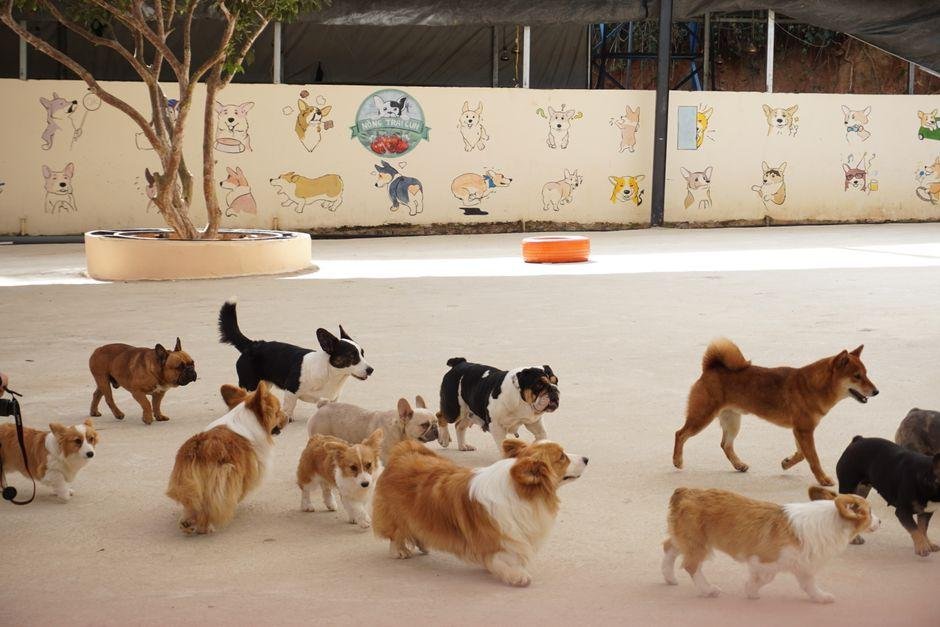
Supervised overnight care answers that worry by giving dogs a safe place to sleep, eat, and play while someone keeps an eye on them around the clock. If you are also exploring options for dog boarding Carnegie, PA, has excellent facilities where dogs are supervised, exercised, and looked after all day.
Understanding How Dogs Experience Your Absence
Dogs read the signs of an upcoming trip long before you say a word. Suitcases appear, schedules shift, and the household mood changes. Some dogs respond by following their owners from room to room. Others go quiet, stop eating with their usual enthusiasm, or start pacing in the evening. None of this means your dog is unhappy with you. It simply means they have noticed that something is different and they are trying to work out what comes next.
Knowing this helps you prepare in a way that works with your dog’s instincts rather than against them. Dogs take their emotional cues from the people around them. If your own preparation is rushed and tense, your dog picks that up immediately. Packing gradually over several days, keeping your voice normal, and avoiding a long, emotional goodbye all help your dog stay settled.
Food, Water, and Medication Made Simple
Sudden changes to a dog’s diet are one of the most common causes of an upset stomach during time apart. Sending your dog’s usual food along with them avoids the problem entirely. Portion each meal into a separate bag or container and label it clearly so there is no guesswork about how much goes in the bowl.
Medication deserves the same care. Put everything in its original packaging, write the dosage and timing on a note that stays with it, and mention anything unusual about how your dog takes it. Some dogs swallow a pill happily in a spoonful of food, while others need a little persuasion. Passing on that detail saves time and keeps your dog on schedule.
Fresh water matters more than people expect. Dogs often drink more when they are in an unfamiliar environment, particularly after active play, so make sure whoever is caring for them knows your dog’s normal drinking habits.
Health Checks and Identification Before You Leave
A short visit to your veterinarian before a trip is worth the time. Confirm that vaccinations are current, that flea and tick prevention is up to date, and that any ongoing condition is under control. If your dog has a health issue that could flare up, write down the symptoms to watch for and the number of the clinic you normally use.
Identification is just as important. Check that the tag on the collar is readable and that the phone number on it is one you can actually be reached at while you are away. If your dog has a microchip, take a moment to confirm your contact details are current in the registry. Leave a second emergency contact as well, ideally someone local who can make a decision quickly if you are unreachable.
Exercise and Mental Stimulation While You Are Gone
A dog with nothing to do is a dog with time to worry. Physical activity burns off nervous energy, and mental work tires a dog out in a way that a long walk alone cannot. Play sessions, puzzle feeders, short training repetitions, and time with other friendly dogs all keep the mind busy.
Be honest about your dog’s social preferences when you arrange care. Some dogs thrive in a group and spend the whole day in motion. Others prefer one-on-one attention and a quieter corner. There is no wrong answer, but matching the arrangement to your dog’s temperament makes the time away far more enjoyable for them.
Signs That Your Dog Is Doing Well
Owners often ask how to tell whether a dog has settled. Eating normally is the clearest sign. A relaxed body, a loose tail, and a willingness to explore or play all point in the same direction. Sleeping through the night without restlessness is another good indicator.
Mild changes in the first day or two are completely normal. A dog may eat a little less or watch the door more than usual before relaxing into the new pattern. What matters is the direction of travel. If each day looks calmer than the one before, your dog is adjusting exactly as expected.
Settling Back Into Home Life
The return home deserves as much thought as the departure. Greet your dog warmly but without turning it into a dramatic reunion, because an overexcited welcome can leave a dog wound up for hours. Offer water, give them a chance to rest, and return to the normal schedule straight away.
Expect a tired dog. Days filled with activity and new company catch up with them, and a long sleep on the first evening at home is the usual result. Within a day or two, the household rhythm takes over again, and most dogs show no sign that anything changed at all. That steady return is the real measure of a trip planned well.