If you spend your days researching the best flooring for Maine Coon claws or which senior dog food won’t upset a sensitive stomach, ant infestations probably aren’t on your radar until they show up in the food bowl. But pet owners have a particular reason to care about ants that other homeowners don’t share quite as urgently. Curious cats investigate every trail of movement across a windowsill, and dogs nose around baseboards and yard edges where colonies often nest. A pest problem that seems like a minor kitchen annoyance can quickly become a source of stings, bites, and unnecessary vet visits.
North Carolina sits in a climate zone that hosts a surprising variety of ant species, some merely irritating and others genuinely dangerous to small animals. Before you can protect your household, you need to know exactly what you’re dealing with, and that starts with proper identification. For readers who want a deeper dive into species-specific traits, the ants in north carolina species identification guide from Sage Pest Control breaks down the visual and behavioral differences in far more detail than a single blog post can cover. Treat this article as the practical, step-by-step companion to that resource, walking through exactly what to do once you suspect ants have moved in near your pets.
Step 1: Learn to Identify the Five Most Common Ant Species in Your Area
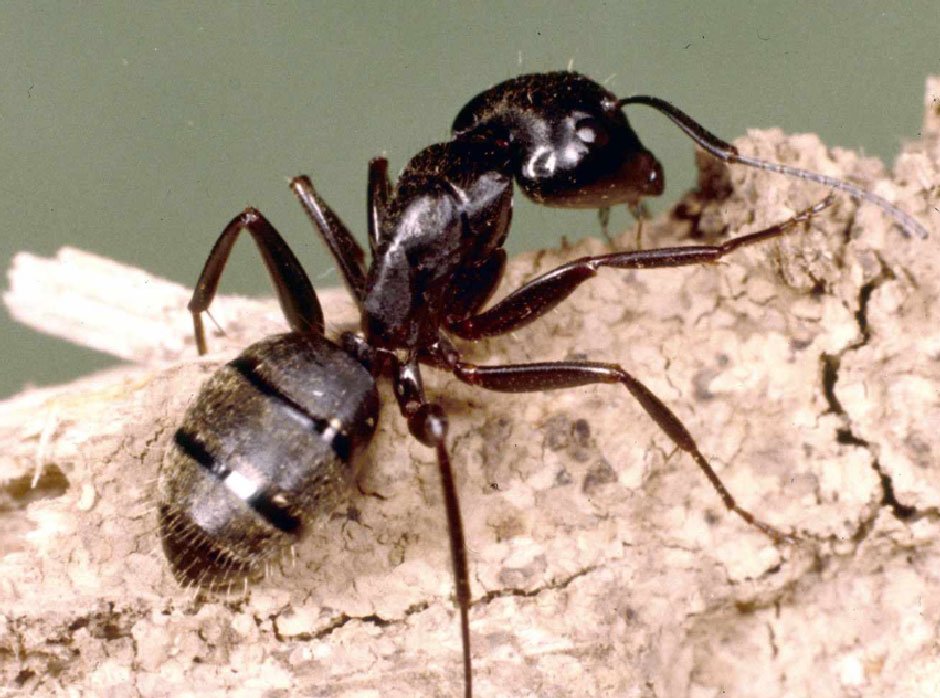
Start by learning the five species most likely to appear in and around North Carolina homes: Argentine ants, carpenter ants, fire ants, odorous house ants, and pavement ants. Argentine ants form massive, fast-moving trails and tend to invade kitchens in search of anything sugary. Carpenter ants are larger, often reddish-black, and chew through moist or damaged wood, leaving behind sawdust-like frass near door frames or window sills. Fire ants build visible dirt mounds in lawns and are aggressive when disturbed, which makes them especially risky for pets that dig or lie down in the grass. Odorous house ants release a rotten-coconut smell when crushed and are currently the most commonly treated infestation nationwide, while pavement ants nest under sidewalks, driveways, and slab foundations, often marching in narrow lines along cracks. Spending fifteen minutes comparing a captured ant against clear photos will save you weeks of guessing later.
Step 2: Recognize Early Warning Signs of Ant Activity Around Your Home and Pet Areas
Once you know what you’re looking for, walk your property with a specific checklist in mind rather than a general glance. Look for visible trails along baseboards, countertops, and pet food stations, since ants will reliably return to the same scent path once they’ve found a reward. Check outdoor areas your pets frequent, including patios, garden beds, and grassy corners, for small mounds or disturbed soil that might indicate a fire ant colony. Inside the house, pay attention to small piles of debris near wood trim, faint rustling sounds inside walls, or discarded wings near windows, all of which point toward carpenter ant activity that can eventually damage structural wood. According to the 2024-2025 NPMA survey, just over half of American households encounter ants inside their homes annually, which means early detection is less about rare bad luck and more about routine vigilance that most homeowners eventually need.
Step 3: Eliminate Food, Water, and Nesting Attractants to Prevent Colony Establishment
With warning signs identified, the next concrete action is removing what actually draws ants toward your pet’s living space in the first place. Store dry pet food in sealed, airtight containers rather than leaving bags open in a pantry, since the scent of kibble is remarkably attractive to odorous house ants and Argentine ants alike. Wash food and water bowls daily, wipe up spilled kibble immediately, and avoid leaving wet food out for more than twenty to thirty minutes at a time. Outside, trim vegetation away from the foundation, fix leaky spigots or irrigation lines that create damp soil, and clear woodpiles or mulch beds away from exterior walls, since moisture and rotting wood are exactly what carpenter ants and pavement ants are searching for. Fire ants are a separate concern in yards specifically, and their aggressive nature deserves special attention for anyone with pets that spend time outdoors.
According to Aphis, imported fire ants are established throughout the Southern United States including North Carolina, and their sting is not a one-time event since a single ant can sting repeatedly, which is particularly dangerous for pets and children who disturb a mound in open yard space. This is why identifying and treating fire ant mounds early matters more than almost any other step in this guide, especially in households with dogs that like to explore grassy areas unsupervised.
Step 4: Seal Entry Points and Create Physical Barriers to Keep Ants Out
The final step is closing off the physical pathways ants use to get inside, since even a spotless kitchen won’t stay ant-free if the exterior walls are full of gaps. Caulk cracks around window frames, door thresholds, and utility line penetrations, paying particular attention to areas where pavement ants tend to travel along foundation seams. Replace worn weather stripping and repair damaged screens, since these small gaps are often wide enough for entire trails of odorous house ants to pass through unnoticed. If you’ve identified carpenter ant frass or fire ant mounds during your inspection, treating those specific colonies directly, rather than only sealing entry points, is necessary to prevent them from simply finding a new route in. Many pet owners find that combining these physical barriers with a professional inspection offers the most reliable long-term protection, since a trained technician can confirm species identification and target treatment without exposing curious pets to unnecessary chemical risk.
| Statistic | Figure |
| Americans encountering ants in homes annually | 51% (2024-2025 NPMA survey) |
| Most common treated ant infestation type | Odorous house ants, 64% of treated infestations (2024) |
| Acres infested by imported fire ants across NC and surrounding states | Over 367 million acres across 14 states (USDA APHIS, 2026) |
| Pest firms treating carpenter ant infestations | 66% of firms in 2011 (NPMA) |
| Annual U.S. economic cost of fire ant infestations | $6.7 billion (2023) |
Protecting pets from ants is ultimately a matter of sequence rather than luck. Identify the species correctly, watch for the early signs specific to your home and yard, remove the attractants that invite colonies to settle in, and finally seal the physical gaps that let them travel indoors. Each step builds on the last, and skipping ahead to sealing entry points before you’ve addressed food sources or correctly identified a fire ant mound often means the problem resurfaces within weeks. Pet owners who work through this sequence methodically, rather than reaching for a random spray at the first sign of trouble, tend to see longer-lasting results and far fewer surprises for the animals sharing their home.