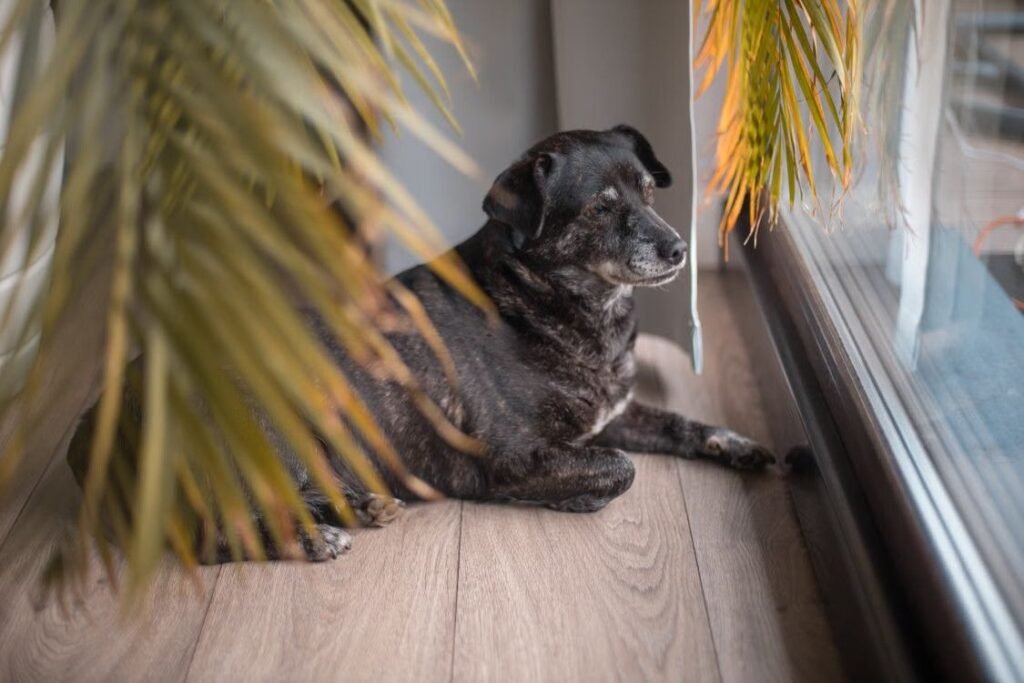
As pets age, walking across a floor or reaching a food bowl can begin to be painful or unsafe. A senior cat or dog may still want to continue enjoying their favorite activities around the home. However, weak joints and muscles may need more support and a safer home setting. Below are simple changes that can make the house safer for an older pet.
Make Floors and Walking Paths Safer
Laminate, hardwood and tiled floors do not give much traction. Their paws slip easily, particularly if they have back legs. Every step can cause them to slide or splay out. Clutter and steep stairs are also dangerous. An old animal cannot react as fast as it used to some years back.
Start by putting washable mats or runners on the walkways they use most. Keep the edges flat so they do not catch dragging feet. Clear hallways and close a gate at the stairs if your pet is alone.
Add light along the main routes to make it safe for pets that have problems with their sight. Before you start making any changes, find out what the usual limitations are so your changes can help the most. Check if your dog has a problem walking or getting onto the seats. This helps you pay attention to the places they use the most before changing the whole house.
Upgrade Feeding and Resting Areas
An old dog or cat should not have to walk across rooms to get food or water. Keep water and food bowls close to your pet’s usual resting points. This ensures they walk less to reach them. A raised feeding setup can be appropriate if they have a problem standing for a long time. Keep the height right for each animal’s size.
Set up a supportive bed in a quiet corner away from drafts. Picking a comfortable place to sleep ensures your pet rests while remaining close to the family. If they love resting on the sofa or your bed, a set of steps reduces the need for jumping.
Professional care services can also provide your pet’s comfort when you need extra support. For example, a team at https://www.astayinthecountry.com/ can offer dog boarding, bathing, and training to help maintain your dog’s daytime hygiene and activity routine. Remember to share their feeding and resting schedules and movement limits so the team can tailor the services to meet their needs.
Make Bathroom Areas Easier to Access
Going to the bathroom can be an issue for senior animals when their bodies start to get weak. For example, older cats often have trouble with high-sided litter boxes. Consider putting a litter box with a low entry in the place where your cat likes to stay. You should also keep the area clean with no extra obstacles.
Make sure the path to an outdoor bathroom spot is clear for dogs. You can also put non-slip surfaces to stop your dog from falling on tile or wood floors in the bathroom areas. Have washable pads for indoor use in case going outside is not possible on some days.
Clean the home quickly with a safe cleaner when accidents happen. Experts explain that most changes in bathroom habits can sometimes point to problems that need attention. Call a veterinarian if the pet shows changes in toilet habits.
Endnote
Safer floors, easy-to-reach food and beds, and simpler bathroom access make a real difference to an older pet’s day. None of these changes cost much; all you need to do is monitor your pet’s movements and speak with your vet when things get difficult.