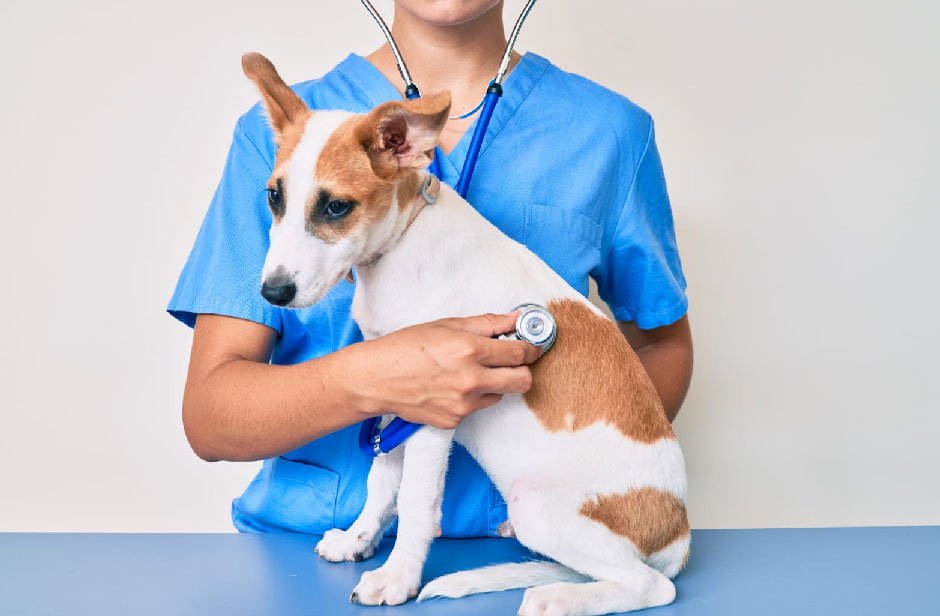
 Your dog throws up three times in twenty minutes and his stomach looks tight, almost drum-like. Or he’s breathing weird, short little gasps like he can’t get a full breath in. That’s not a wait-until-morning situation. Find the closest animal hospital VA Beach has open and go. Simple enough. That’s exactly the kind of case the team at Birdneck Animal Hospital sees walk through the door on a regular Tuesday night.
The hard part is everything that isn’t that obvious. Most emergencies don’t announce themselves. Your dog just seems off. Won’t jump on the couch. Skipped dinner and is lying somewhere he doesn’t usually lie. You’re standing there in your kitchen late at night with your phone in your hands, trying to decide whether or not this warrants a call to someone, or whether you’re just that crazy dog owner that everyone’s rolling their eyes at.
You aren’t paranoid, dogs cannot tell you what’s hurting and whether or not this vomiting began an hour ago or this morning. All you have to do is read body language and guess – which isn’t an easy position to be in at all. So let’s put the freak-out checklist aside for a minute and get down to a logical discussion of how a veterinarian would look at this issue.
When It Can Wait, and When It Really Can’t
A dog who throws up once because he inhaled his food like it was a competition, then acts totally fine after, doesn’t need a trip anywhere. Watch him, offer water, move on with your evening.
What changes the picture is the pattern. One vomit, nothing. Three or four in a row, plus a hard belly and dry heaving that isn’t bringing anything up, that’s a whole different problem. That combo can mean bloat, and bloat kills within hours if nobody catches it in time. Ask any animal hospital and they’ll tell you the same thing. That one doesn’t get to wait until morning.
Age matters too. A ten-year-old dog with a heart condition acting sluggish needs quicker attention than a two-year-old showing the same tiredness after a long walk. Same symptom, different story behind it. And if you’re stuck, genuinely stuck between “fine” and “not fine,” just call. Most clinics would rather answer your question over the phone than have you guessing alone in your kitchen.
Signs That Don’t Leave Room to Wait
A handful of symptoms don’t get the benefit of the doubt. If you’re seeing one of these, you go, no debate needed.
- Gasping, labored breathing, gums turning blue or pale gray
- Bleeding that hasn’t slowed after several minutes of firm pressure
- A hard, bloated belly with dry heaving and nothing coming up
- Seizures running past a couple minutes, or several happening back to back
- Sudden collapse, or your dog simply can’t stand
- Getting into something toxic (chocolate, xylitol, certain plants, rat bait)
- Hit by a car, or a fall bad enough to worry you
- Overheating badly after exercise or time in the heat
- Straining to pee with barely anything coming out
- Pain sharp enough that it changes how your dog walks or reacts to being touched
Just one of these is reason enough. You don’t need to check off the whole list.
What Actually Happens When You Walk In
Here’s something that catches people off guard. You’d assume it’s first come, first served, but emergency vet clinics don’t work that way. A tech looks your dog over within minutes, checking breathing, gum color, how alert he seems. Whoever’s in worse shape gets seen first, even if they came in after you. Frustrating when you’re the one waiting, sure, but that’s how emergency medicine works everywhere, not just for dogs.
Then come the questions. When did this start? Did he get into anything? Any health issues you already know about? Bloodwork or X-rays usually follow, because a vet guessing from the outside can only get so far. It drags when you’re scared and just want an answer, but every step exists so your dog gets the right treatment, not just the fast one.
Worth knowing ahead of time, cost gets discussed before anything major happens. Asking for a written estimate is fair game, and a decent clinic will walk you through your options instead of just handing you a bill at the end and calling it a day.
A Little Prep Now Saves You Later
You can’t predict when something’s going to go wrong. But you can make the moment less chaotic when it does.
Store the phone number of your regular veterinarian and the address of the nearest emergency animal clinic in a place where you will be able to access it easily without having to search through four other unused apps. Your own basic first aid kit, gauze, extra leash and maybe even a muzzle in case your dog bites when scared will buy you valuable time. It can be really useful just to understand how your own dog usually behaves and what his gums usually look like in their natural state. This will make it much easier for you to recognize when your dog’s behavior is indeed out of the ordinary.
If your dog suffers from a chronic disease, you should ask your regular veterinarian which symptoms would require you to seek an emergency clinic rather than a regular appointment. Such advice will prove far more helpful compared to any list on the internet – including this one.
Questions Owners Keep Asking
How do I tell if my dog’s vomiting requires emergency treatment?
Usually, one incident following rapid consumption isn’t something to be overly concerned about. However, recurrent episodes, vomit mixed with blood, or vomiting in conjunction with abdominal swelling and lethargy are signs requiring immediate action.
Is it okay if my dog appears a bit ill but is still acting normal?
If the animal is eating, drinking, and acting normally, then overnight observation may be acceptable. Of course, any worsening of his condition will change the situation.
What information should I provide for an emergency vet visit?
Bring your pet’s medical history along with any medication it’s currently taking and the timeline of the symptoms’ appearance. In case of possible poisoning, don’t forget to bring the product/package of the plant.
Is a 24-hour clinic the best solution for after-hours issues?
Yes, in case of emergencies. In case of something less serious, though, calling up before heading there would be a good idea, since you’d know whether it needs to be taken care of by your usual vet at a later time.
How expensive are emergency visits to the vet?
It depends largely on the tests and treatment needed. Usually, any clinic provides an estimate beforehand, so ask when you are making arrangements. No one will be mad at you for doing that.
It is not pleasant to start thinking about all of these questions in the middle of the process, but knowing where exactly lies the borderline between “We’ll monitor the situation” and “We have to do something now” makes everything different. Listen to your instinct; when something’s wrong – it usually is. It’s the kind of thing clinics like Birdneck Animal Hospital deal with every week, and they’d rather you call too early than not at all.