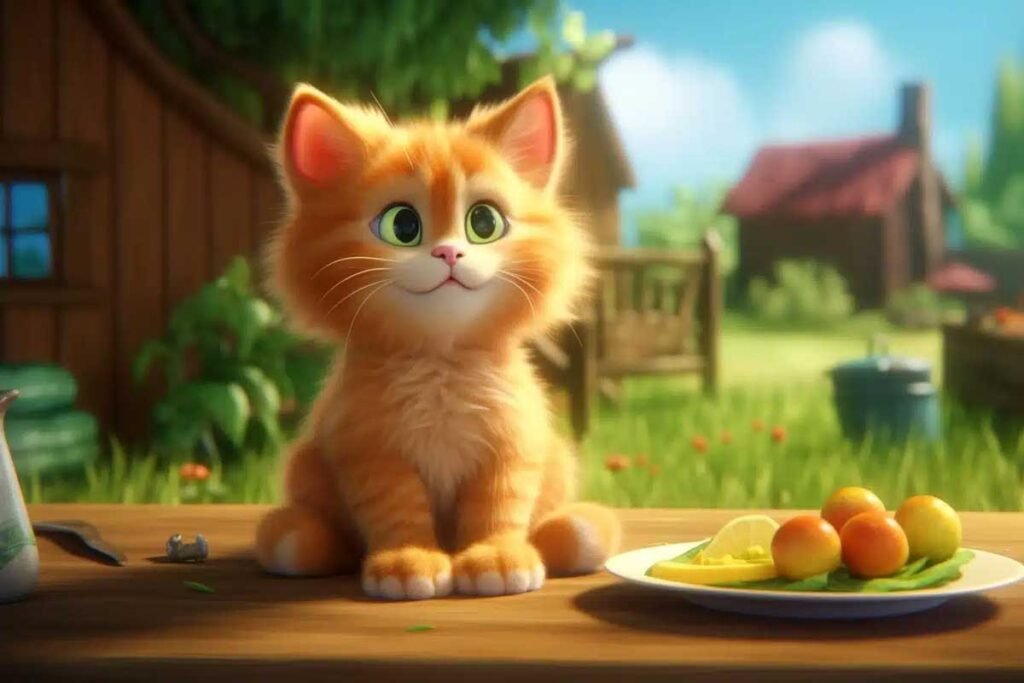
Animators have been drawing cats for over a century, and the ones that stuck are the ones whose behaviour a real cat owner recognises. Garfield’s contempt for Mondays is a joke. Garfield being an orange male is genetics, and the studios got that one right without necessarily meaning to.
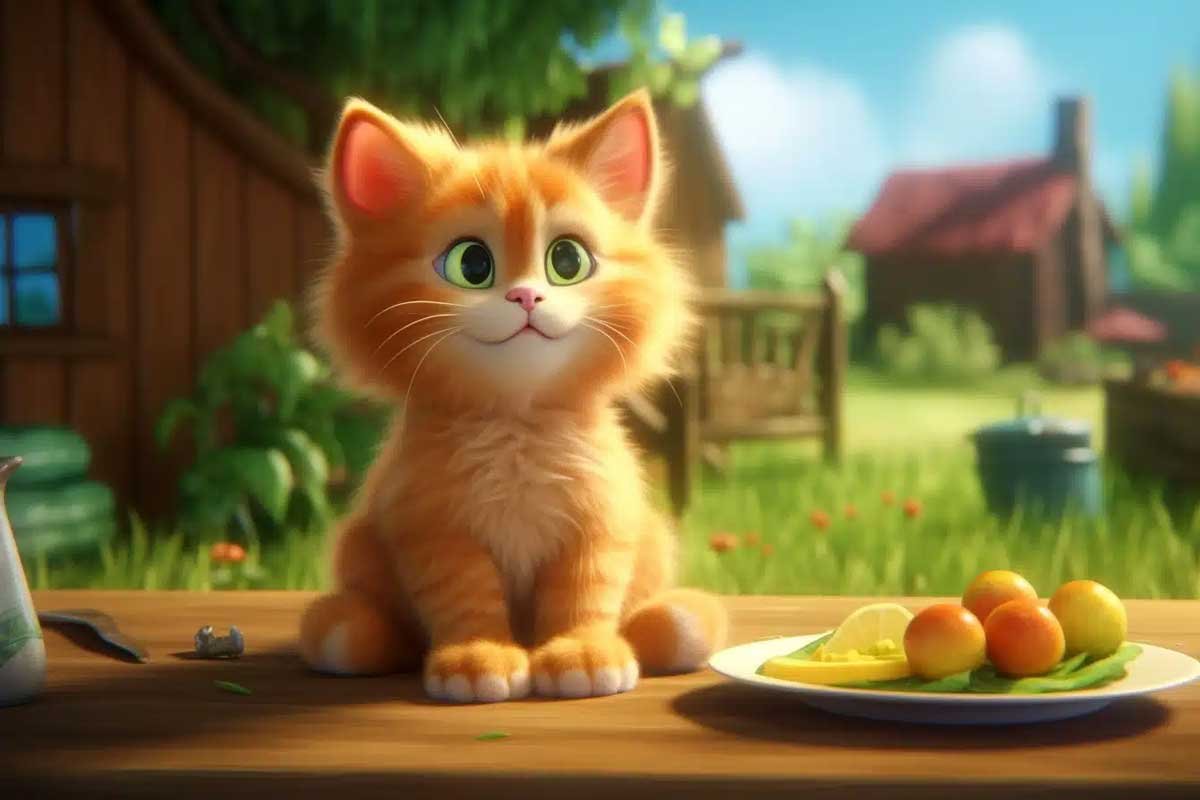
Here are the famous cartoon cats worth knowing, sorted by era, with a note on where the animation matches a real cat and where it quietly does not.
The Originals: Felix, Tom, and Sylvester
Felix the Cat came first, created in 1919 by Otto Messmer and Pat Sullivan during the silent film era. He is one of the earliest animated characters of any species to become famous, and his solid black coat was a practical choice as much as an artistic one: black reads clearly in monochrome and needs no shading.
Tom arrived in 1940, created by William Hanna and Joseph Barbera at MGM, and ran through 161 theatrical shorts. He is drawn as a grey-blue and white domestic cat, which is one of the most common coat combinations in the actual street cat population, and his entire character is built on a real behaviour: cats hunt small fast things badly and repeatedly.
Sylvester followed in 1945 from Friz Freleng, and Wikipedia files him under the correct real-world term. He is a tuxedo cat, meaning a black cat carrying a low dose of the white spotting gene that leaves white on the chest, chin, and paws.
Garfield and the Ginger Question
Garfield launched on 19 June 1978 and is described in his own franchise as an obese orange tabby, which is two accurate observations stacked on one character.
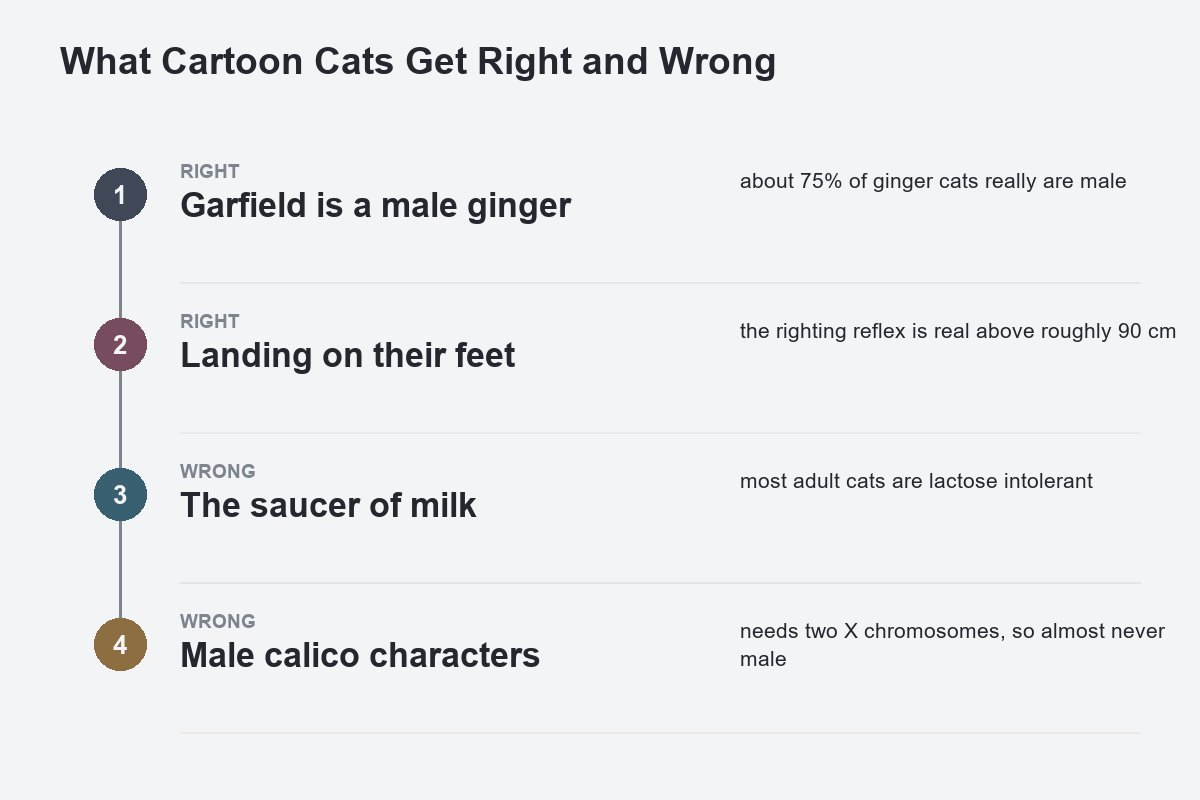
The orange comes from a gene carried on the X chromosome, and because of that sex-linked inheritance roughly 75% of ginger cats are male. If you are inventing an orange cat and want the odds on your side, make him a tom. Jim Davis did.
The weight is the other half, and it is the part that reads as observation rather than invention. An indoor cat with a food obsession, a favourite spot, and strong opinions about being disturbed is the most recognisable pet-owner experience in the entire strip, which is why it has run daily for nearly five decades without needing a plot. Every reader who has been woken at five in the morning by a cat standing on their chest recognises Jon Arbuckle. That is the joke working exactly as intended.
Lasagna, admittedly, is pure fiction.
The Saucer of Milk, and Other Things Cartoons Get Wrong
The milk bowl is the big one. Cartoon cats have been lapping at saucers since Felix, and most adult cats are lactose intolerant, with the sugar in milk causing soft stools or diarrhoea. Wikipedia lists the belief that all cats love milk among the common misconceptions about them.
The second error is subtler and shows up whenever a studio draws a male calico or tortoiseshell character. Those patched coats need two X chromosomes, which is why they appear almost exclusively in females, a point we cover in full in our tortoiseshell guide. A male calico is not impossible, but he is a genetic rarity rather than a character design choice.
Then there is the physics. Cats do right themselves in mid-air, and the reflex is real rather than cartoon licence, but it needs room to work: a cat needs a fall of at least 90 centimetres to complete the twist. The gag where a cat drops off a kitchen counter and lands perfectly is fine. The one where it falls two feet and still spins is animation.
The Female Cartoon Cats
Cartoon cats skew heavily male, which makes the exceptions memorable. Marie from Disney’s Aristocats is a white long-haired kitten of the Turkish Angora type, and Duchess, her mother, is drawn the same way. Sagwa, the Chinese Siamese cat from the PBS series based on Amy Tan’s book, arrived in 2001 and remains one of the few leads built around a specific real breed.
Snowball, Sylvester’s periodic co-stars, and the various nameless queens of the golden age were mostly written as foils. It took until the streaming era for female cat characters to carry shows on their own.
The coat choices in this group are more deliberate than in the male cast. A white long-haired cat reads as refined and expensive to a general audience, which is exactly the shorthand Disney wanted for a wealthy Parisian household, while the scruffy alley cat opposite her is drawn as a plain orange tabby for the same reason in reverse. Coat colour is doing characterisation work in both directions, and it maps onto real assumptions people make about cats they meet.
Why Cats Work So Well in Animation
Dogs in cartoons are loyal or stupid. Cats are given the entire range: schemer, aristocrat, cynic, coward, villain. The reason is that a real cat’s face barely moves, so an audience projects whatever it likes onto it, and an animator can assign any interior life without contradicting the model.
The physical comedy helps too. A cat’s body genuinely does the impossible-looking things animation exaggerates, from the mid-air twist to squeezing through a gap the width of its skull, so the exaggeration starts from something the viewer has actually seen.
The real animals have their own record. See famous cats in history for the documented ones, several of whose stories are told wrong, and cats in famous paintings for how artists used cats before animation existed.
FAQ
Who is the most famous cartoon cat?
Garfield and Tom are the two strongest claims, with Garfield running as a daily strip since June 1978 and Tom appearing in 161 MGM theatrical shorts from 1940. Felix the Cat predates both, having been created in 1919.
Which cartoon cat came first?
Felix the Cat, created in 1919 by Otto Messmer and Pat Sullivan, is the earliest of the famous cartoon cats and one of the first animated characters to achieve widespread recognition during the silent film era.
Are cartoon cats based on real breeds?
Most are drawn as ordinary domestic cats rather than pedigree breeds, with Sylvester a tuxedo bicolour and Garfield an orange tabby, both coat descriptions rather than breeds. Sagwa and the Aristocats cast are among the few designed around identifiable breed types.
Why are so many cartoon cats orange?
Orange reads warmly and separates clearly from most backgrounds, which matters in animation. It also happens to match reality for male characters, since sex-linked inheritance means about 75% of ginger cats are male.