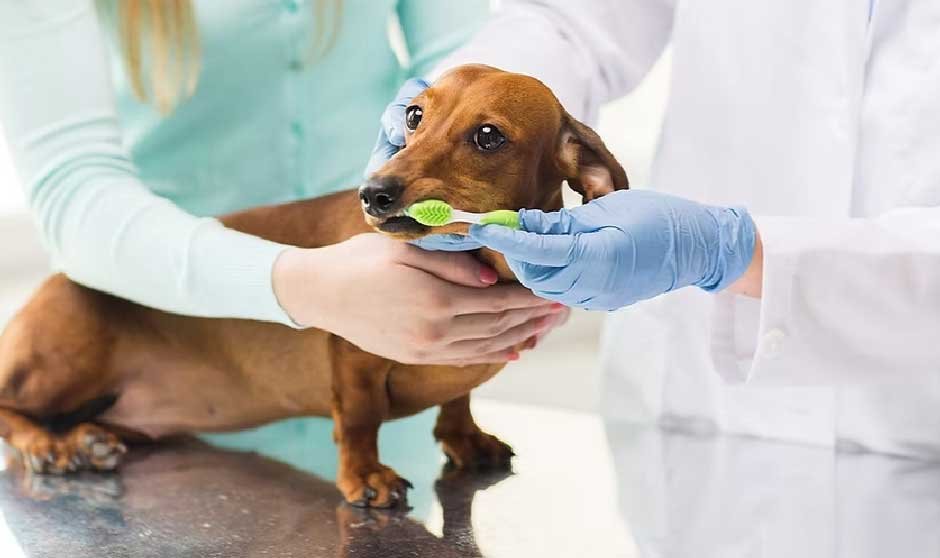
Pet insurance can cover dental care, but the answer depends on what caused the problem. Most accident-and-illness plans can reimburse treatment for a broken tooth, an abscess, or periodontal disease when the condition fits the policy, while routine cleanings usually sit in a wellness add-on or stay out of pocket.
The wording on the estimate can sound clearer than the wording in the policy. It rarely is. Insurers usually separate preventive cleaning, illness treatment, accident care, and pre-existing disease even when the vet bill puts all of it under the same dental heading.
If dental coverage matters for your dog or cat, the useful question is not whether a plan mentions teeth. In plain English, does pet insurance cover dental is really a question about cause, timing, exclusions, and proof.
Coverage rules vary by carrier and policy form. This is general information, not veterinary or insurance advice for a specific claim, and any real coverage decision should be checked against the sample policy, the insurer’s claim language, and your veterinarian’s records.
Does Pet Insurance Cover Dental When the Problem Is an Accident or Illness?
If you are comparing plans after a vet mentions an extraction, oral infection, or fractured tooth, start here: dental treatment is usually covered only when it falls under accident or illness coverage, not simply because the invoice came from a dental procedure.
An accident-only policy is a plan type that reimburses treatment after a covered injury, not after disease. An accident-and-illness policy is broader coverage that can reimburse covered dental disease as well as accidental injuries, subject to deductibles, reimbursement rates, waiting periods, and exclusions.
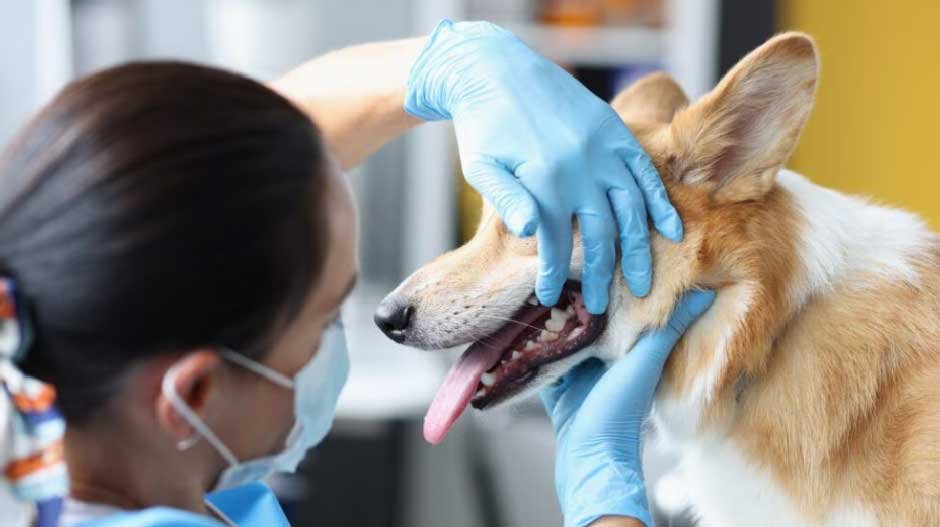
Progressive describes the common structure plainly: accident-only plans may cover a dental injury, broader accident-and-illness coverage may cover disease-related dental treatment, and wellness coverage may handle routine cleanings. ASPCA Pet Health Insurance uses a similar split, saying its broader coverage can include extractions, diagnostics, prescriptions, and treatment tied to dental illness, while preventive cleanings belong in separate preventive coverage unless prescribed as treatment.
That is the part many owners do not realize until the first serious estimate appears: the same mouth can generate one covered bill and one uncovered bill depending on whether the insurer sees disease, accident, or routine maintenance.
| Dental expense | Usually covered? | Where it tends to sit | Common reason for denial |
|---|---|---|---|
| Broken tooth after an accident | Often yes | Accident-only or accident-and-illness coverage | Event not documented as an accident or happened before coverage started |
| Extraction caused by covered dental disease | Sometimes | Accident-and-illness coverage | Dental disease excluded, pre-existing, or subject to special conditions |
| Routine cleaning | Usually no | Wellness or preventive add-on | Base policy excludes routine care |
| Dental X-rays and anesthesia | Depends on the underlying claim | Covered when tied to a covered procedure | Main procedure is classified as preventive or excluded |
| Caps, implants, cosmetic or orthodontic work | Usually no | Excluded services | Policy treats the procedure as non-covered dental work |
A wellness add-on is a preventive-care package for routine services such as exams, vaccines, and sometimes dental cleanings. That add-on can matter a lot if your main concern is yearly cleaning, but it is not the same thing as broad illness coverage for a tooth or gum problem that has already turned into treatment.
What Pet Insurance Usually Does Not Cover
The exclusions matter more than the word dental itself. The bills people expect to be covered and the bills insurers actually reimburse usually split at three lines: routine care, pre-existing disease, and services the policy treats as cosmetic, elective, or outside the dental terms.
A pre-existing condition is an illness or injury that showed signs, symptoms, diagnosis, or treatment before the policy took effect. In dental claims, that can mean the insurer focuses on prior chart notes about gingivitis, bad breath, fractured teeth, tartar buildup, or earlier treatment recommendations before it looks at the current invoice.
Progressive states that pet insurance generally will not cover pre-existing dental conditions. ASPCA also excludes cosmetic, endodontic, and orthodontic services such as caps, implants, and fillings on the dental page used in the current SERP, which is a useful reminder that the phrase dental coverage can still hide a long exclusion list.
- Routine cleanings and other preventive care, unless a wellness rider specifically includes them.
- Dental disease that clearly predates enrollment or falls inside a waiting period.
- Cosmetic or restorative procedures that the policy does not classify as covered treatment.
- Claims weakened by missing history, incomplete records, or policy conditions tied to dental eligibility.
Dental claims often fail on timing before they fail on medicine. A pet can need real treatment and still lose reimbursement because the condition looks old on paper.
The pressure point is usually a single chart note, not the tooth itself. Once a routine-looking dental remark becomes prior history, the claim can narrow fast.
That is why the sample policy matters more than the marketing headline. The headline sells a category. The exclusions decide whether your specific claim survives.
Why Cleanings and Dental Disease Get Treated Differently
If a pet’s mouth looks normal from across the room, it is easy to assume dental coverage is mostly about routine cleaning. In practice, insurers separate cleaning from disease because professional dental care can involve anesthesia, X-rays, probing, scaling, polishing, and sometimes surgery, and those are not priced or classified like simple preventive upkeep.
Cornell University College of Veterinary Medicine says 80% to 90% of dogs older than 3 have some component of periodontal disease. Cornell also notes that a full veterinary dental procedure can require general anesthesia, oral probing, full-mouth dental X-rays, scaling above and below the gum line, polishing, and extraction when diseased teeth cannot be saved.
Periodontal disease is inflammation and tissue damage around the tooth caused by plaque below the gum line. That definition matters because many policies draw a line between preventing plaque buildup with routine care and paying for the illness that develops after disease has already taken hold.
That split can feel arbitrary when the vet uses one treatment plan for the whole mouth. It makes more sense once you remember that insurers classify claims by cause, not by body part.
Cornell also stresses that advanced dental disease often goes unnoticed until it is already painful and expensive to address. A clean-looking mouth can still hide the bill that arrives later, which is one reason dental fine print matters more than owners expect.
Where Dental Coverage Actually Changes From Plan to Plan
If dental coverage is one of the main reasons you are shopping, compare the policy like a claims document, not like a brochure. The useful differences usually hide in the dental exclusions, the definition of covered illness, and the conditions the insurer attaches to oral health claims.
Fetch’s dental marketing page, captured in the current competitor set, highlights broader adult-tooth and gum coverage than many shoppers assume exists. Progressive and ASPCA show a more typical plan split, where accident, illness, and wellness each handle different parts of the dental picture. The gap between those approaches is exactly why two plans that both say dental can behave very differently when the same vet estimate arrives.
| Plan design | Best-case dental help | What to read closely | Who it tends to fit |
|---|---|---|---|
| Accident-only | Broken teeth or trauma-related dental treatment | Definition of accident and any dental carve-outs | Owners who want low-premium catastrophe coverage |
| Accident and illness | Dental disease treatment, extractions, diagnostics, prescriptions | Disease exclusions, waiting periods, reimbursement terms | Owners worried about larger unexpected bills |
| Wellness add-on | Routine cleanings and preventive dental care when listed | Benefit schedule and annual reimbursement limit | Owners focused on predictable routine care |
| Combined package | The broadest mix of prevention and treatment | Total premium versus likely use | Pets with higher dental risk or owners who want fewer surprises |
- Does the base policy cover dental illness, or only accidental injury?
- Are routine cleanings included only through a wellness schedule?
- How does the policy define a pre-existing dental condition?
- Is there a waiting period before dental illness claims can be reimbursed?
- Does the insurer mention dental eligibility requirements, chart history, or maintenance conditions?
- Are reimbursement, annual limits, and deductibles strong enough to make a dental claim worthwhile?
The part that matters most is boring on purpose: read the dental exclusion language word for word. Dental coverage usually looks generous right up until a single sentence narrows it to trauma only, specific teeth, or non-routine treatment after the deductible.
When Pet Insurance Is Worth It for Dental
Pet insurance can be worth it for dental when you are trying to protect against expensive treatment, not just annual cleaning. It is much less convincing as a dental strategy when your only goal is routine preventive care and the plan handles that care through a small wellness schedule rather than broad reimbursement.
Cornell notes that smaller breeds face higher periodontal-disease incidence and that dental disease becomes more common with age. That does not guarantee a claim will be paid, but it does explain why owners of small dogs and older pets pay close attention to dental wording instead of treating it as a minor add-on.
- More likely to be worth it: your pet is young enough to enroll before dental disease appears, you want accident-and-illness protection, and you would struggle with a large unexpected dental bill.
- More mixed: you mainly want help with cleanings, because that usually points toward a wellness add-on with limited scheduled benefits.
- Less compelling: your pet already has documented dental disease that a new insurer is likely to classify as pre-existing.
The financial decision changes once the chart already shows disease. At that point, many owners are no longer shopping for coverage; they are shopping for a claim that the policy was never going to accept.
For many households, the cleanest way to think about it is simple. Buy insurance for the unexpected dental problem, and treat routine oral care as part of your normal pet-care budget unless the wellness math clearly works in your favor.
FAQ
Does pet insurance cover routine dental cleaning?
Usually not under the base policy. Routine cleanings are commonly treated as preventive care and may only be reimbursed if the insurer offers a wellness add-on that specifically lists dental cleaning.
Does pet insurance cover tooth extractions?
Sometimes, yes. Extractions are often covered when they result from a covered accident or a covered dental illness, but they can still be denied if the condition is excluded, pre-existing, or outside the plan’s dental terms.
Can pet insurance cover periodontal disease?
Some accident-and-illness plans may cover periodontal disease treatment, while others limit or condition dental-disease coverage. The only safe answer comes from the policy’s own dental language and exclusions.
Will a new policy cover an existing dental problem?
Usually no. If the records show the condition, symptoms, or treatment before the policy started, the insurer will usually treat the dental issue as pre-existing and exclude it.
Is anesthesia for dental work covered?
It depends on the procedure attached to it. If anesthesia is part of a covered dental treatment, it may be reimbursable; if it is tied to a routine preventive cleaning, it often follows the same preventive classification as the cleaning itself.
Should you buy pet insurance just for dental care?
Usually only if you mean unexpected dental treatment, not yearly cleanings alone. If routine cleaning is your main concern, compare the cost and benefit schedule of a wellness option before assuming a full policy will pay for it.
Bottom Line
So, does pet insurance cover dental? Yes, sometimes, but it usually covers the dangerous part, not the routine part. Broken teeth, dental disease, extractions, and related diagnostics may be reimbursable; cleanings, pre-existing disease, and excluded procedures often are not.
The smartest time to read dental coverage is before the mouth problem is on the chart. Once a vet note turns suspicion into history, the claim decision often becomes much less generous than the brochure made it sound.