
Most pet owners assume liability begins and ends with whether an animal has attacked someone before. The reality proves far more severe. A dog simply knocking a pedestrian to the ground while running off leash creates the same legal exposure as a vicious mauling. Georgia statute penalizes careless management just as harshly as owning a pet with a known violent history.
Many claims trace back to a failure in basic physical control rather than inherent viciousness. Recognizing how local ordinances transform ordinary pet ownership into a strict legal duty prevents these catastrophic financial and physical losses from destroying a family.
The Hidden Liability In Careless Animal Management
Under state law, a pet owner faces exposure not just for keeping a dangerous animal, but for careless management that allows a pet to go at liberty. This standard means an owner holds responsibility even if the dog simply chases a bicycle down the street. The burden shifts significantly when an incident occurs because the animal lacked proper containment. In these situations, proving that an injury resulted from a lack of physical control forms the core of many legal claims. The legal stakes remain high.
Consulting a Duluth dog bite lawyer, distinctly represented by Slam Dunk Attorney, a legal practice handling personal injury matters in Gwinnett County, clarifies these nuanced statutory requirements. A common trap involves assuming historical precedents protect all first offenses. Modern applications often bypass this requirement if the owner violates a local restraint mandate. When owners fail to monitor their animals effectively, they lose the protection of those traditional legal defenses.
How Local Ordinances Replace Prior Knowledge
Liability frequently hinges on the specific location of the incident and the governing local rules. An owner walking an unrestrained pet near Peachtree Industrial Boulevard faces immediate legal exposure if an injury occurs. Geography dictates the outcome.
The Disappearance Of Historical Defenses
Historically, state law relies on the concept of scienter, meaning the owner knew about the animal having aggressive tendencies. Proving this requires documenting previous lunges or aggressive posturing. If a dog has a history of aggression, the owner must implement heightened supervision. Failing to recognize warning signs often leads to severe consequences for victims and profound financial exposure for the owner.
Strict Compliance Demands For Enclosures
Local restraint laws effectively eliminate the need to prove prior knowledge of aggression. Gwinnett County enforces strict animal control ordinances requiring animals to be adequately restrained at all times. When a dog injures someone while violating a leash law, the violation itself constitutes proof of negligence. This standard heavily favors the injured party.
The Immediate Realities Of Attack Documentation
Gathering evidence immediately following an incident heavily influences the trajectory of a claim. Victims frequently prioritize medical treatment, but the window to collect witness statements closes rapidly. If an incident happens at a location like Shorty Howell Park, capturing photos of broken fences or unlatched gates becomes imperative before the owner makes repairs. Evidence vanishes fast.
Official incident reports filed with local authorities create a permanent record of the event. The American Academy of Family Physicians reports that these incidents create an estimated $53.9 million in inpatient medical costs annually across the country. Proper documentation prevents the opposing party from altering the narrative later. According to the CDC, an estimated 368,245 persons were treated in hospital emergency departments for nonfatal injuries of this nature during a single year. These numbers illustrate the sheer volume of public encounters requiring rigorous legal scrutiny.
Recognizing Causation In Unsupervised Encounters
Connecting a lack of training directly to an injury requires demonstrating a clear chain of events. Many injuries result from secondary actions rather than a direct puncture wound. If an untrained dog charges a fence and causes a startled pedestrian to fall, the lack of behavioral control becomes the proximate cause of the injury. Seeking immediate medical evaluation at facilities such as Northside Hospital Duluth establishes the necessary medical documentation linking the fall to the encounter. Causation must be undeniable.
Financial costs for related injuries extend well beyond simple lacerations and infections. The Agency for Healthcare Research and Quality found the average cost of a related hospital stay reached $18,200 during a recent study period. A claim must articulate exactly how the owner’s failure to supervise the animal triggered the sequence of events leading to the injury. If you were hurt by an unrestrained animal, secure local support today. Contact Slam Dunk Attorney at (678) 329-9750 or visit their office at 2250 Satellite Blvd, Ste. 120, on 7 minutes drive from Residences at Duluth, 2885 Buford Hwy NE. Their team provides a warm, free consultation to protect your legal rights.
Why Provocation Defenses Fail Against Trained Animals
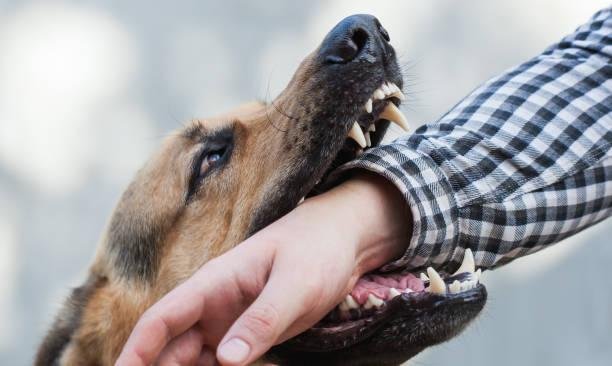
Defense strategies in animal injury claims often revolve around the concept of provocation. State statutes bar recovery if the injured party provoked the animal by their own physical act. This defense frequently surfaces in cases involving children interacting with a pet without permission. Defense counsel will heavily scrutinize the moments immediately preceding the incident. They seek any misstep.
“Insurance adjusters pull recorded statements within the first 48 hours specifically because injured people haven’t spoken to anyone yet, and those statements get used to contradict the claim months later,” says Duluth dog bite lawyer Peter Jaraysi. Proving that the victim acted reasonably under the circumstances nullifies the provocation defense. Simple gestures, such as reaching out to pet a dog or walking near a property line, do not meet the legal threshold for provocation.
The Interplay Between Private Property And Public Spaces
Geographic boundaries dictate how legal standards for supervision change depending on whether the incident occurs on private property or in a public setting. A dog contained within a fenced yard carries different liability expectations than one roaming free. However, property owners still owe a duty of care to lawful visitors, such as delivery personnel or guests. Location changes the rules.
When disputes escalate, they often proceed through local legal channels. Cases require meticulous adherence to procedural rules regarding premises liability. Related ordinance citations may be handled separately at the Duluth Municipal Court. Data from the National Library of Medicine indicates that almost 27,000 individuals required reconstructive surgery owing to these types of encounters in 2018 alone. A comprehensive understanding of these geographic legal nuances dictates the strategy for pursuing compensation.
Questions About Dog Bite Cases
What constitutes careless management under Georgia animal laws?
Careless management occurs when an owner fails to exercise ordinary care in restraining a pet. This includes leaving a gate open or allowing a dog to roam freely off the property. These actions directly violate the duty of care owed to the public and establish clear liability.
How do local county ordinances affect liability determinations?
County leash laws establish a strict standard of care for animal owners. If an owner violates a restraint mandate and the dog subsequently injures someone, the violation itself constitutes proof of negligence. This eliminates the requirement to prove the animal exhibited prior aggressive tendencies toward people.
Does homeowner insurance cover injuries caused by untrained dogs?
Most homeowner policies provide coverage for injuries caused by a pet, regardless of the animal lacking formal obedience training. However, policies frequently contain exclusions for specific breeds or previously recorded incidents. Verifying the exact policy language determines the available compensation sources for the injured party.