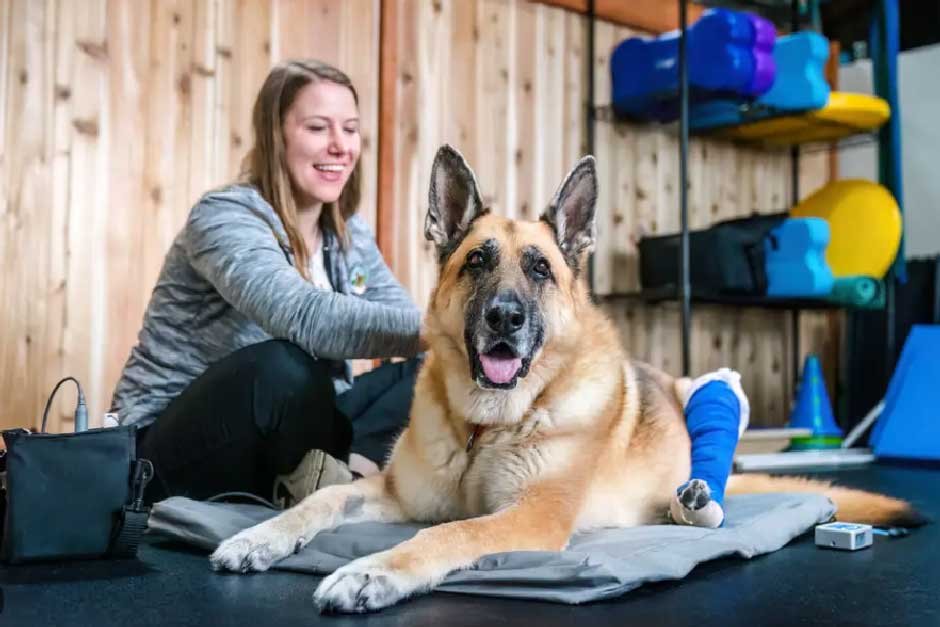
 If your dog has been diagnosed with hip dysplasia, your first instinct might be to keep them as still as possible. That’s completely understandable — seeing your pup in pain is heartbreaking. But here’s the thing: too much rest can actually make things worse. Muscles weaken, joints stiffen, and your dog’s quality of life takes a hit.
The good news? Gentle, low-impact movement is one of the best things you can do for a dog with this condition. It keeps the joints mobile, supports muscle mass, and helps manage pain over time. You just need to know which exercises are safe — and which ones to skip.
Here are five vet-approved, low-impact exercises that can genuinely make a difference.
1. Leash Walking on Flat Ground
Simple leash walks remain one of the safest and most effective exercises for dogs with hip dysplasia. Walking on a flat, even surface keeps the movement controlled, reduces the risk of sudden jolts, and gently engages the hip muscles without overloading the joints.
Start slow. Even 10–15 minutes twice a day can be enough, especially if your dog is just starting a new routine. Watch for signs of fatigue — limping, lagging behind, or reluctance to continue are signals to stop and rest.
A few things to keep in mind:
- Avoid hills and uneven terrain
- Keep the pace steady — no sudden sprints
- Use a well-fitted harness instead of a collar to reduce neck and back strain
2. Swimming and Water Therapy
Water is a dog’s best friend when it comes to joint-friendly exercise. Swimming allows your dog to move freely and use their full range of motion without putting any weight on the hips. The buoyancy of water takes the pressure off, while the natural resistance builds muscle strength at the same time.
Hydrotherapy — particularly underwater treadmill therapy — has become increasingly popular in canine rehabilitation. According to the
According to rehabilitation specialists at Cornell University College of Veterinary Medicine, therapies such as underwater treadmill exercise and targeted physical rehabilitation can help improve mobility, build strength, and reduce discomfort in dogs recovering from orthopedic injuries or living with conditions such as hip dysplasia.
If you don’t have access to a canine rehabilitation center, a calm, shallow lake or pool works too. Just make sure:
- The water temperature is comfortable (not too cold)
- Your dog can enter and exit safely without jumping
- You’re always nearby to assist if needed
3. Sit-to-Stand Exercises
This one sounds almost too simple, but it’s surprisingly effective. Asking your dog to move from a sit to a standing position — slowly and in a controlled way — targets the hip extensors and strengthens the muscles that support the joint.
You can do this during treat training sessions to keep it positive and low-stress. Start with 5 repetitions and work up gradually based on how your dog responds. If they struggle to sit or seem stiff after, ease back on the reps.
The key is consistency. A few minutes daily beats occasional long sessions every time, especially for dogs managing chronic joint conditions.
4. Balance and Proprioception Work
Proprioception is just a fancy word for body awareness — your dog’s ability to sense where their limbs are in space. Dogs with hip dysplasia often lose some of this awareness, which can lead to wobbling, stumbling, or putting awkward stress on already-compromised joints.
Balance exercises help rebuild that awareness. Using a balance disc, foam pad, or even a rolled-up towel under your dog’s feet encourages small stabilizing muscle groups to engage. Veterinary professionals who understand how to treat hip dysplasia in dogs often recommend this type of gentle proprioceptive training as a cornerstone of long-term management, particularly for dogs in the early-to-mid stages of the condition.
Resources like MedCovet offer practical, vet-informed guidance that can help you understand what’s happening inside your dog’s hip joint — and why these seemingly small exercises matter more than they look.
Start simple with balanced work:
- Have your dog stand with two feet on a slightly unstable surface for 30–60 seconds
- Reward calm, steady standing
- Increase difficulty gradually as strength improves
5. Cavaletti Pole Walking
Cavaletti poles are low obstacles (think: pool noodles or PVC pipes laid on the ground) that your dog walks over in a slow, deliberate way. This exercise encourages them to lift their legs higher and more consciously, improving coordination and hip flexor engagement.
It’s a technique borrowed from equine rehabilitation that’s now widely used in canine physical therapy. The height of the poles should be low — no higher than your dog’s ankle — to keep the movement comfortable and injury-free.
A few setup tips:
- Space poles about one body length apart
- Walk your dog through slowly on a leash
- Keep sessions short — 5 passes is plenty to start
A Few Things to Keep in Mind
Every dog is different. What works wonderfully for one may be too much for another, especially depending on the severity of the dysplasia and your dog’s age, weight, and overall health. Always check in with your vet or a certified canine rehabilitation therapist before starting a new exercise plan.
A few general rules to follow across all these exercises:
- Always warm up with a gentle 5-minute walk before any structured exercise
- Never push through pain — if your dog shows discomfort, stop immediately
- Keep a log of how your dog responds after each session
- Pair exercise with other management strategies your vet recommends
Final Thoughts
Hip dysplasia is a long-term condition, but it doesn’t have to mean a lesser life for your dog. With the right approach, regular gentle movement can keep your dog happier, more mobile, and in less pain day to day.
Start small. Stay consistent. And celebrate every small win — whether that’s a smoother walk, a more confident sit-to-stand, or just a wagging tail after a swim. Your dog feels your effort, even when they can’t say it.