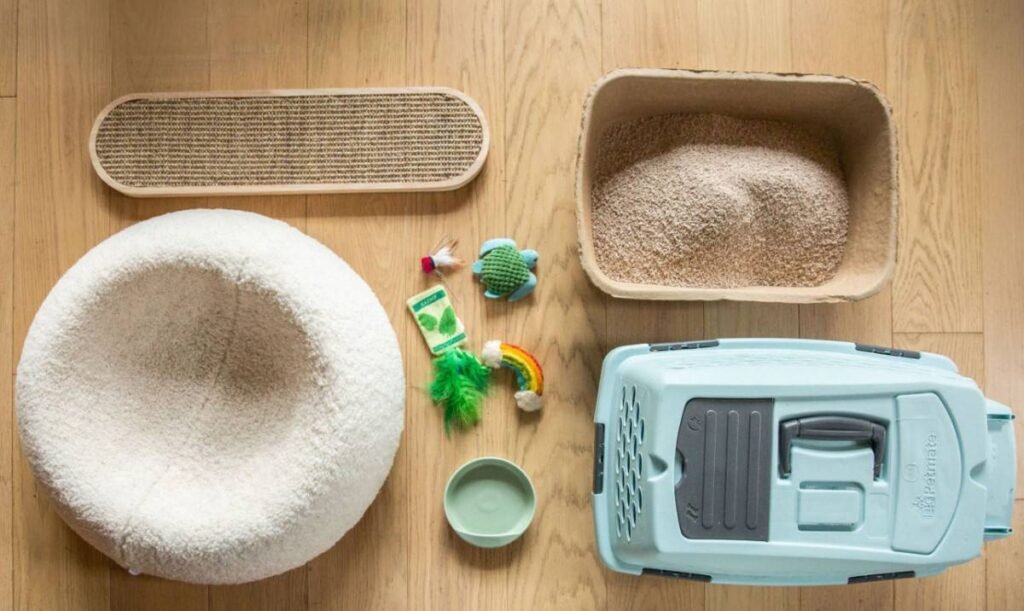
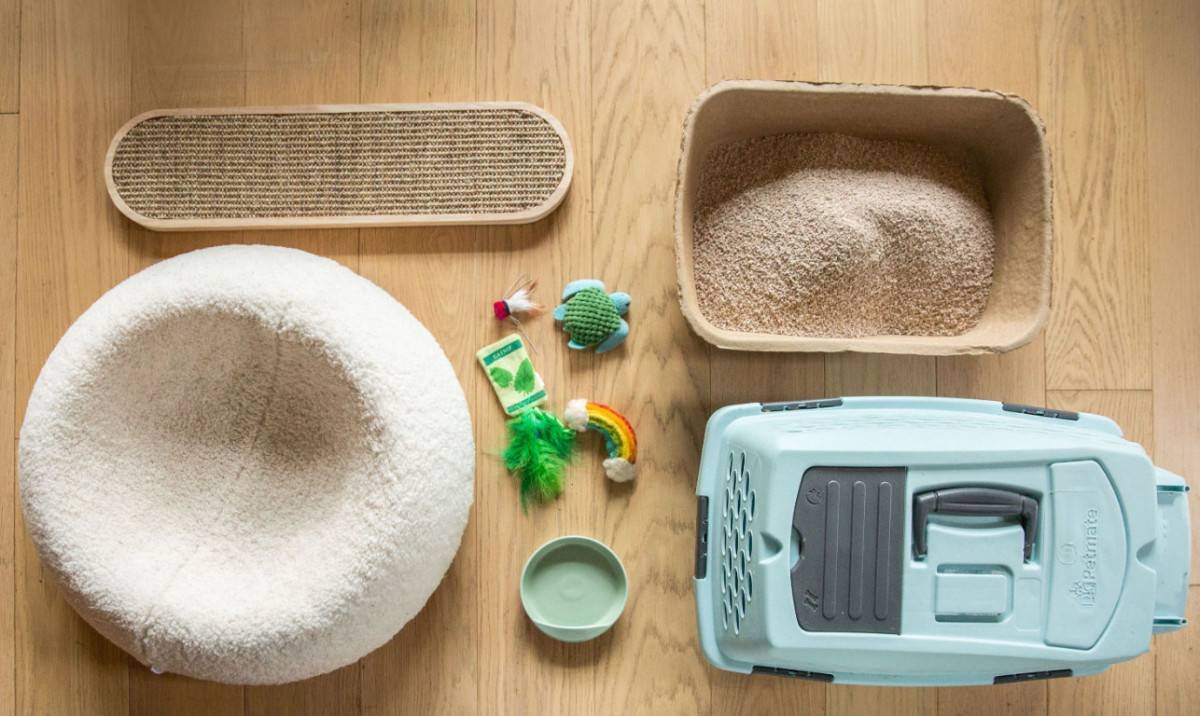
So you’ve decided to bring a cat into your home. You’re no doubt itching to spoil it with toys, plush beds and a medley of all the other cat gadgets that seem to be on the market. As you start to figure out what makes your cat tick, you may also discover other things that get them purring, snuggling up, and having the time of their lives.
But for now, let’s get back to the priorities. When bringing a new cat into your home, it can be pretty intimidating for them at first. So, if you’ve got the basics covered, you can ensure they’re in a pretty good place from day one.
Below is a rundown of the essential cat products that you’ll need to get right from day one, and which’ll help your new furry friend feel safe, relaxed and well looked after.
A Good Travel Carrier
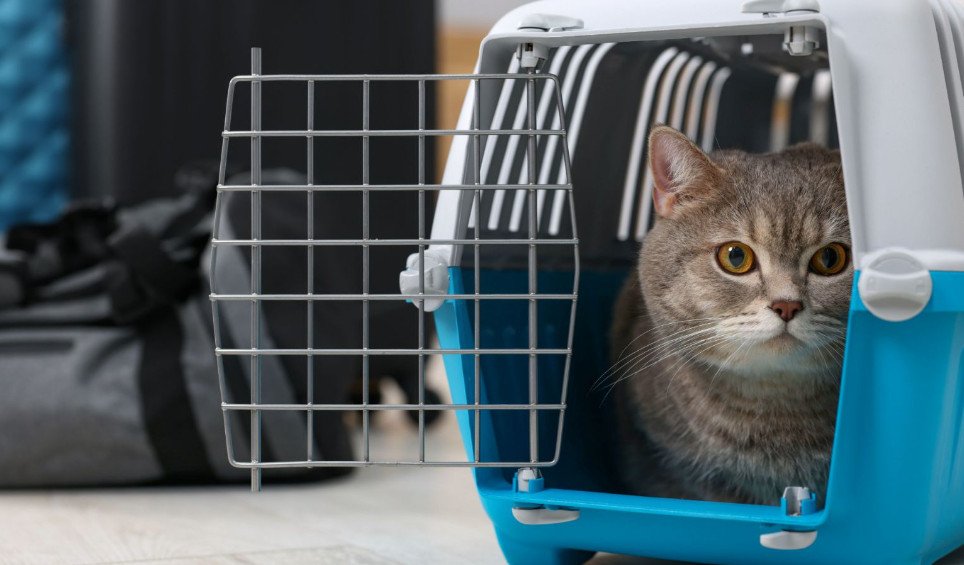
One of the most practical cat products a cat owner can have is a sturdy travel carrier. Whether you’re bringing that little ball of fluff home for the first time, heading off to the vet, or plan on taking them on the road sometime in the future, a decent carrier is a must for keeping your cat safe and minimising the stress of transportation.
Cats are notorious for getting anxious when they’re thrust into unfamiliar surroundings, so a decent carrier can be a lifesaver. It gives them a small, snug space where they can feel a bit more protected and at ease. When shopping for one, make sure it’s well ventilated, easy to clean, and big enough for your cat to stand up, turn around and stretch out in comfort. A secure door and some sturdy materials are also a must, so your cat doesn’t take the opportunity to make a break for it.
And while you’re at it, don’t just save the carrier for vet visits. Leave it around the house from time to time, and make it a nice and comfy spot by tossing in a soft blanket or some familiar-smelling bedding. Before you know it, your cat will be perfectly happy to hop in and make themselves at home – even when you do need to head off on a trip.
A Well-Placed Little Box With Unscented Litter
Cats are super particular about their bathroom habits, so setting up the litter box in advance is a good idea if you want to make the transition as easy as possible for your new pet.
Where you put the litter box is almost as important as the litter box itself. Try to find a spot that’s quiet and out of the way where your cat won’t get bugged or stressed by all the activity. Make sure it’s not right next to the food and water bowls either. Cats prefer to keep those areas separate.
When it comes to the litter itself, a lot of people find that unscented clumping litter is the way to go, especially if it’s a new cat. Strong smells can be overwhelming, and clumping litter makes a big difference when it comes to keeping the box clean. Also, a clean box is a must; cats won’t use a dirty tray if they can help it.
Oh, and one more thing – make sure the litter box is big enough for your cat. Kittens are happy with a lower-sided tray to begin with, but bigger cats need some space to move around in. Choose a box that lets your cat move around comfortably.
Nutritious Food
Getting the right grub ready for your new pet is another big job that’s best done before they even arrive. Eating well is important for your cat’s overall health, energy levels, digestion and development, especially when they’re first getting settled into their new home.
If possible, try to stick with the same food your cat was eating before they came home. Changing things up too much can give them a stomachache and add to the stress of an already tough time. Once they’re feeling a bit more at home, you can start to introduce new foods if you need to.
When picking out cat supplies like food, it’s essential to look for something that is of good quality and suited to your cat’s age, size and lifestyle. Different life stages have different nutritional needs, so make sure you get the right one. Some people like to give a mix of wet and dry food to keep things interesting and help keep the cat hydrated.
And don’t forget to set up a quiet spot for them to eat in peace. Fresh water should always be on tap too. It makes a big difference to their overall health.
Ceramic or Stainless Steel Bowls
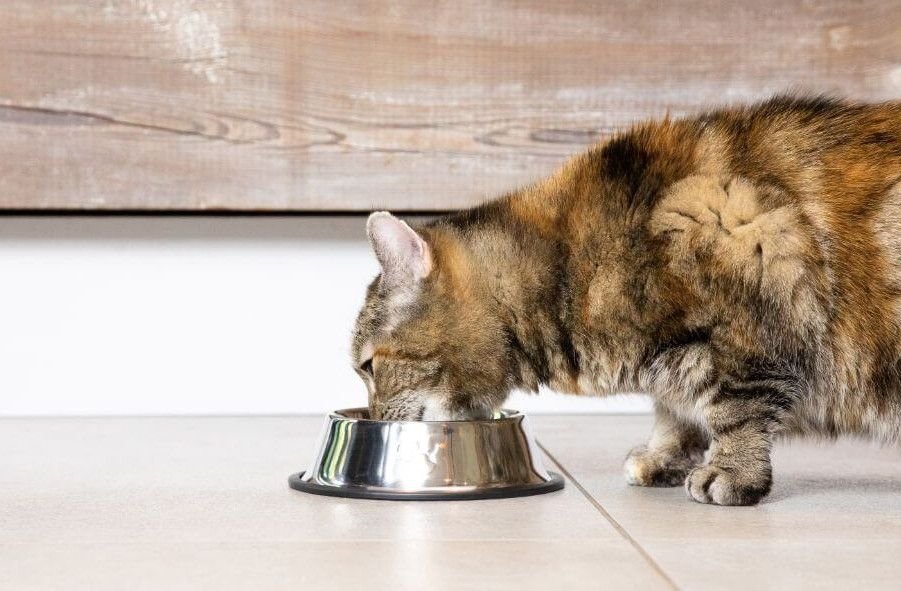
When it comes to feeding your cat, you’re not just looking for a nutritious diet – you need to get the bowl side of things right too. For many cat owners, ceramic and stainless steel bowls are often the top cat supply choice. They’re made to last, a breeze to clean, and far less likely to harbour bacteria or stink up the place over time.
There are a few reasons why plastic bowls are often avoided. They can sometimes develop scratches that trap bacteria and also irritate a cat’s skin or chin. Ceramic bowls should be checked to be free from any cracks and properly glazed, and stainless steel ones are great for their durability and low maintenance.
When choosing a bowl, pay attention to size. A wide and shallow bowl is a better option because it stops your cat from feeling like they’re trying to eat out of a well. Some cats prefer a bowl that’s not too deep because their whiskers get all bashed about, and that can be super uncomfortable during mealtimes.
Keep the food and water bowls in a quiet spot where your cat can eat and drink in peace. Some cats also prefer their water bowl a bit away from their food. Keeping both bowls clean and making sure they get fresh water every day can really help encourage healthy eating and drinking habits right from the start.
Tall Scratching Posts
Getting a good, tall scratching post in place early on can be a lifesaver – for your cat and for your furniture. Scratching is a completely normal thing for cats to do; they stretch their muscles, keep their claws in good nick, and mark their territory with scent and visual markers. They need to scratch, and you need to make sure they’re scratching where they’re meant to.
A tall scratching post is usually a better bet than a shorter, wobbly one. Cats love a good stretch, and if they can’t get it from a post, they may end up using your sofa, carpet or door frame instead. No, thank you.
When you’re looking for a scratching post, check that it’s got a sturdy base and the scratching surface is made of something decent like sisal rope or a textured fabric. Stability is key here – a post that wobbles can put cats off using it altogether.