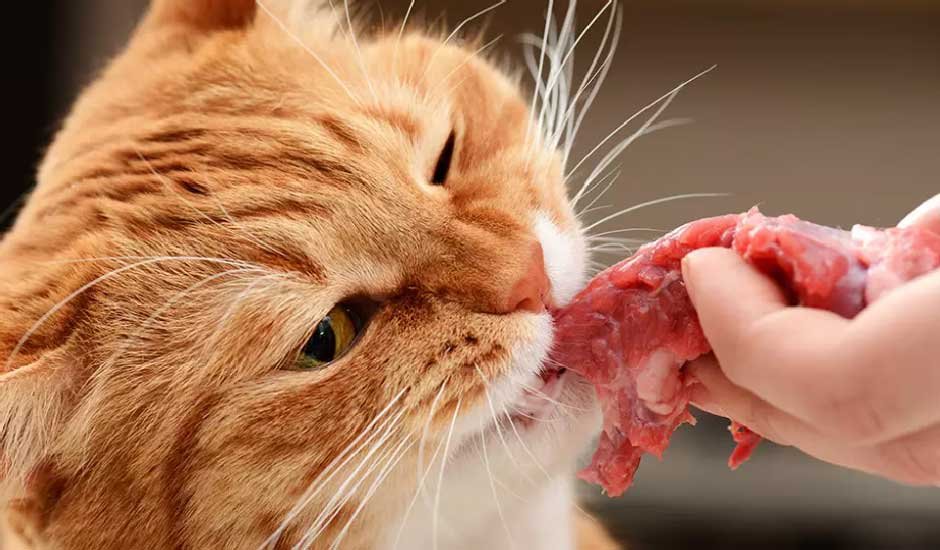
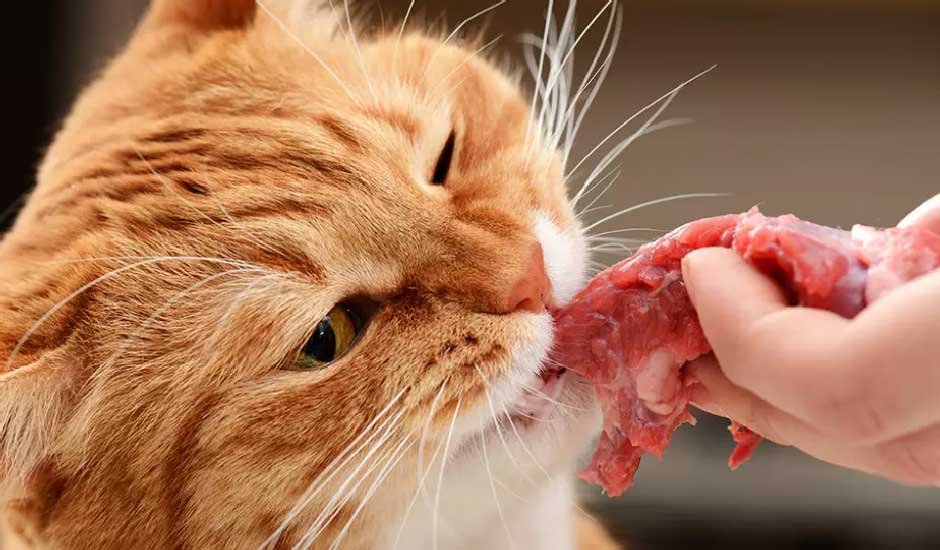
Cats can eat small amounts of plain cooked meat, boneless fish, cooked egg, and a few bland plant foods such as pumpkin or green beans, but human food should stay a side treat. A complete cat food should still do the real nutritional work.
Most people do not get into trouble by sharing one plain bite of chicken. They get into trouble by treating leftovers, seasonings, and rich scraps as if they were the same thing.
The short answer on what human food cats can eat
Most healthy adult cats do best with plain, cooked, high-protein human foods in tiny amounts, while seasoned leftovers, bones, sweets, alcohol, and allium vegetables should stay off the menu. Safe does not mean nutritionally necessary.
VCA Animal Hospitals notes that cats need a feeding plan built around life stage, body condition, and medical history. AAFCO explains that complete and balanced foods are formulated or tested to meet nutrient needs, which is why table scraps should stay small.
| Category | Usually fine in small amounts | Only occasionally | Never share |
|---|---|---|---|
| Protein | Plain cooked chicken, turkey, lean beef | Cooked fish, cooked egg | Raw meat, raw fish, cooked bones |
| Plant foods | Pumpkin, green beans, cucumber | Blueberries, seedless watermelon, plain rice | Onion, garlic, chives, raw dough |
| Extras | Very small bites only | Unsweetened plain yogurt if tolerated | Chocolate, caffeine, alcohol, xylitol |
A complete and balanced food is a diet formulated or tested to meet a cat’s nutrient needs for a specific life stage. Human food is not a substitute for that standard, even when the ingredient itself is safe.
The safest human foods for cats start with plain animal protein
If you want the lowest-risk answer, stay with plain cooked animal protein and keep the portion tiny. The farther a food gets from that template, the more caution you need.
Cats are obligate carnivores, which means they rely on nutrients from animal tissue far more than they rely on fruits, grains, or vegetables. That is why chicken usually lands well, while a fancy sauce, seasoning blend, or sweet topping can ruin an otherwise harmless bite.
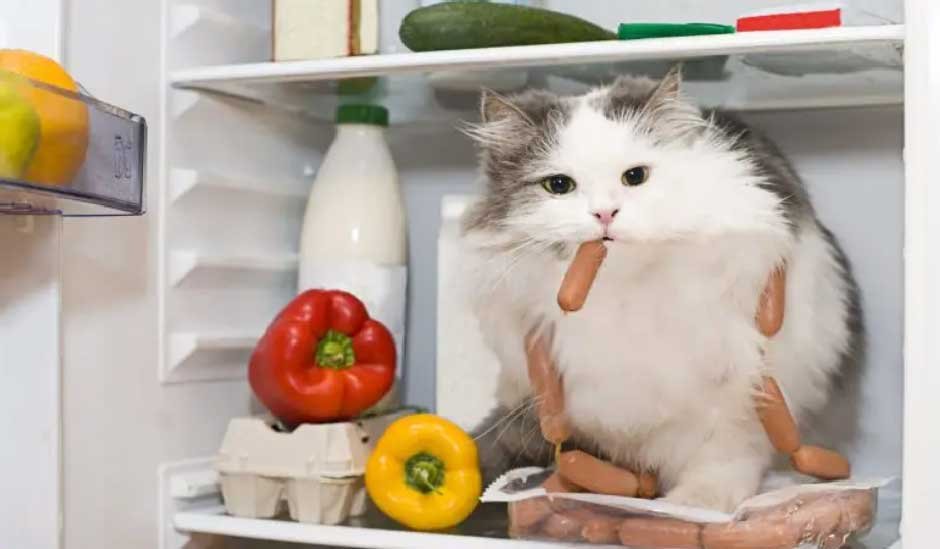
Plain cooked chicken, turkey, and lean beef
Cooked chicken, turkey, and lean beef are the easiest human foods to offer because they match the meat-first pattern cats are built for. Serve them plain, fully cooked, cooled, and cut into small pieces.
Skip skin, pan drippings, butter, garlic, onion powder, gravy, and anything cured or deli-style. The little detail people miss is often the one that matters most: the plain chicken is usually fine, but the seasoning rubbed into it is not.
Fish and eggs can work, but they need more restraint
Cooked fish and cooked eggs are reasonable occasional treats for many cats, especially when you need a soft food that is easy to portion. They should still be plain, fully cooked, and free of bones, shells, and added fat.
ASPCA guidance warns that raw or undercooked meat and eggs can carry harmful bacteria, and bones can injure or obstruct the digestive tract. Fish also turns into a problem fast when it comes from salty canned products, heavy oils, or daily overfeeding instead of the occasional bite.
A few bland plant foods are acceptable, even if most cats are not asking for them
Cats do not need fruits or vegetables to be healthy, but small bites of plain pumpkin, green beans, cucumber, steamed broccoli, or a little cooked rice can be tolerated by many healthy cats. Think of these as low-drama extras, not building blocks of the diet.
Consensus across the top-ranking pages is clear on one point: bland matters more than variety. The crunchy cucumber slice or spoon of plain pumpkin is boring, and that is exactly why it tends to be safer.
| Food | Why it is usually low risk | How to serve it | When to skip it |
|---|---|---|---|
| Chicken or turkey | High-protein and easy to digest for many cats | Cooked, plain, boneless, bite-sized | If seasoned, fried, or mixed with onion or garlic |
| Lean beef | Protein-rich and filling in very small pieces | Cooked through, trimmed of fat | If greasy or heavily salted |
| Cooked fish | Soft texture and strong smell many cats like | Cooked, deboned, plain | If raw, smoked, canned in salty brine, or buttery |
| Cooked egg | Soft protein treat | Plain scrambled or boiled, tiny amount | If raw or cooked with oil, cheese, or seasoning |
| Pumpkin or green beans | Bland and often easy on the stomach | Plain, soft, small spoonful | If sweetened, spiced, or mixed into rich leftovers |
Cooked boneless chicken is a safe occasional treat for most healthy adult cats. That sentence is simple, but it is the center of the whole topic: plain beats creative almost every time.
Some human foods are not worth experimenting with even once
The highest-confidence danger list for cats includes onion and garlic, chocolate, caffeine, alcohol, xylitol, raw dough, raw meat or eggs, and cooked bones. If a food belongs to one of those groups, the right portion is zero.
ASPCA Animal Poison Control lists alcohol, yeast dough, chocolate, caffeine, allium vegetables, raw meat, raw eggs, bones, xylitol, and excessively salty foods among the major hazards. ASPCA also notes that milk and other dairy products can cause digestive upset because pets do not have significant amounts of lactase.
| Unsafe food | Main concern | Why owners get tripped up |
|---|---|---|
| Onion, garlic, chives, leeks | Can irritate the gut and damage red blood cells | They are hidden in broths, sauces, seasoning mixes, and leftovers |
| Chocolate, coffee, caffeine drinks | Can trigger vomiting, tremors, abnormal heart rhythm, and seizures | Cats may lick dessert plates or coffee foam rather than eat a whole serving |
| Alcohol and raw yeast dough | Alcohol toxicity and dangerous stomach expansion | Dough looks harmless before it rises in the stomach |
| Xylitol products | Serious toxicity risk | It hides in gum, candy, some baked goods, and toothpaste |
| Cooked bones and raw meat or eggs | Splintering, obstruction, Salmonella, and E. coli risk | The word natural makes people underestimate the danger |
| Salty, fatty scraps | Vomiting, diarrhea, and needless digestive trouble | Holiday leftovers look like treats but hit the stomach hard |
The emotional trap here is obvious. The foods cats beg hardest for often come from the richest part of the plate, and that is usually the worst part to share.
How much human food can cats eat without turning treats into a bad diet
The safest amount is a few tiny bites, not a side dish. Human food should stay small enough that your cat still eats a normal amount of complete cat food at the next meal.
VCA says portion advice depends on age, body condition, lifestyle, and health status, and that your veterinarian is the best resource for specific feeding recommendations. That matters because a large active cat and a sedentary senior do not carry the same margin for extra calories or digestive mistakes.
What human food can cats eat is only half the question. The other half is how often, and that is where many otherwise sensible feeding habits drift off course.
- Choose one plain food at a time so you know what caused a reaction if your cat vomits or gets diarrhea.
- Start with a pea-sized or fingernail-sized piece, especially with egg, fish, or dairy.
- Keep sauces, salt, spice mixes, breading, butter, and cooking oils out of the bite.
- Watch for vomiting, loose stool, lip licking, or unusual hiding over the next day.
- Go back to regular cat food if anything feels off.
A measured portion is not just a smaller portion. It is the difference between a treat and a slow rewrite of the whole diet.
When even a safe food is the wrong choice
A food can be technically safe and still be the wrong call if your cat has kidney disease, diabetes, inflammatory bowel trouble, food allergies, obesity, or a history of urinary issues. Health context changes the answer more than most quick food lists admit.
VCA’s feeding guidance emphasizes nutritional assessment, meal size, and medical history for a reason. The same spoon of fish that looks harmless in a healthy young adult can be a poor choice for a cat already dealing with weight gain, stomach sensitivity, or a prescription diet.
The real problem is not one reckless meal. The real problem is the small exception that keeps repeating until it quietly becomes the diet.
This is where the topic stops being a snack question and starts being a pattern question. If your cat needs a special diet, random treats can undo careful work faster than they feel like they should.
| Cat profile | Why extra caution matters | Smarter move |
|---|---|---|
| Overweight cat | Even small extras add calories quickly | Use tiny protein bites or skip treats entirely |
| Cat with digestive sensitivity | Novel foods can trigger vomiting or diarrhea | Do not test new table scraps casually |
| Kidney or urinary patient | Sodium and diet consistency matter more | Ask the veterinarian before offering fish or deli meat |
| Kitten | Needs are narrow and growth is fast | Keep the focus on kitten food, not human snacks |
What to do if your cat ate the wrong human food
If your cat ate onion, garlic, chocolate, caffeine, alcohol, xylitol, raw dough, bones, or a large amount of something greasy, call your veterinarian or poison control right away. Do not wait for symptoms to become dramatic.
ASPCA Animal Poison Control says alcohol exposure can lead to vomiting, incoordination, breathing trouble, tremors, coma, or worse, and that allium vegetables can damage red blood cells. Their poison control line is 888-426-4435, and having that number saved before you need it is one of those boring moves that pays off instantly.
- Take away the food and any packaging so your cat cannot get more.
- Figure out what was eaten, how much is missing, and when it happened.
- Call your regular veterinarian, the nearest emergency clinic, or poison control immediately.
- Do not induce vomiting unless a veterinary professional tells you to do it.
- Watch for vomiting, diarrhea, tremors, weakness, strange breathing, or collapse while you get help.
The most useful emergency detail is often not the dramatic symptom. It is the ingredient list on the wrapper sitting in the trash.
Common myths that make human food for cats riskier than it looks
Most feeding mistakes come from myths, not from malice. Clearing those up does more for a cat than memorizing one more list of trendy foods.
| Myth | Reality |
|---|---|
| Milk is a classic cat treat | ASPCA notes that milk and dairy can cause digestive upset because pets often lack enough lactase. |
| If a cat begs for it, it must be fine | Cats are curious and food-motivated around strong smells. Appetite is not a safety test. |
| Safe for humans means safe for cats | Onion powder, chocolate, caffeine, and xylitol prove the opposite. |
| A big cat can handle more table scraps | Breed size changes the portion slightly, but it does not change which foods are toxic. |
| Tuna is always a healthy daily treat | Plain fish can be fine sometimes, but salty canned fish and repetitive extras can crowd out the real diet. |
The small surprise here is how ordinary the bad ideas look. The risk rarely arrives wearing a warning label. It arrives as leftover roast chicken with seasoning still on it, or a spoon of dairy that seems too small to matter.
FAQ
Can cats eat chicken?
Yes, most healthy cats can eat a small amount of plain cooked boneless chicken. Skip seasoning, skin, oils, and onion or garlic based marinades.
Can cats eat tuna?
Yes, cats can have a little plain tuna or other cooked fish once in a while, but it should not become a daily habit. Choose plain fish over salty canned versions packed in oil or sauce.
Can cats eat cheese?
Cheese is not the best treat for most cats because many adults handle lactose poorly. A tiny taste may be tolerated, but dairy is a common way to create unnecessary stomach upset.
Can cats eat rice?
Plain cooked rice is usually safe in a small amount, but it is not an important part of a cat’s diet. Use it as a bland extra, not a staple.
What human food is toxic to cats?
Onion, garlic, chocolate, caffeine, alcohol, xylitol, raw dough, and cooked bones are among the highest-confidence hazards for cats. If your cat gets into any of them, contact a veterinarian or poison control quickly.
Can cats eat scrambled eggs?
Yes, cats can eat a very small amount of plain fully cooked scrambled egg. Keep butter, salt, cheese, onion, and garlic out of the pan.
Bottom line
What human food can cats eat comes down to a narrow rule that works surprisingly well: plain cooked protein first, bland extras only if they stay tiny, and zero experiments with toxic ingredients or rich leftovers. It is a much shorter list than most dinner tables suggest.
The real win is not finding more foods to share. It is keeping your cat’s normal diet stable enough that treats stay what they should be: a moment, not a menu.