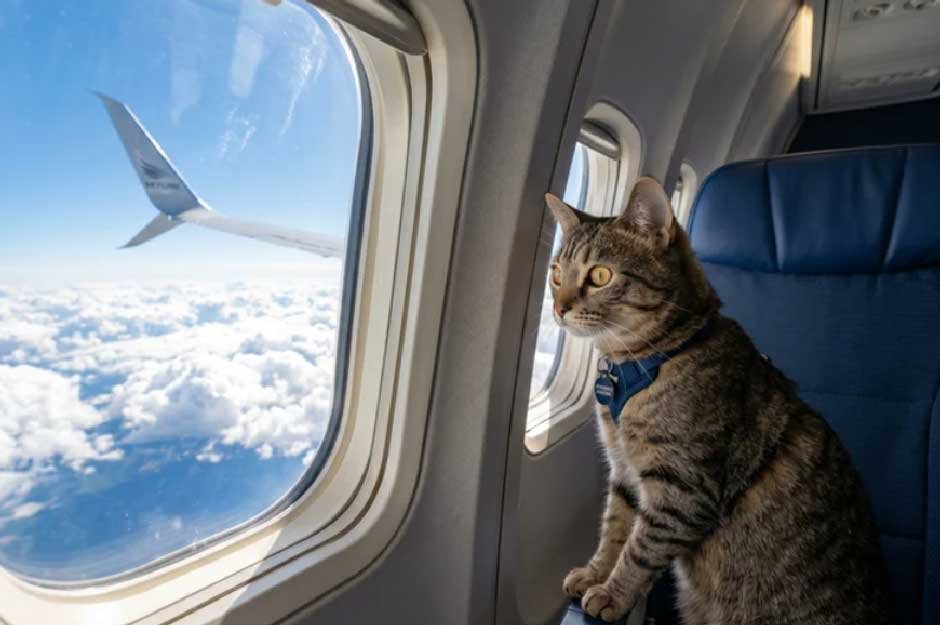
The single biggest mistake people make when traveling long distances with a cat is treating a 12-hour drive like a trip to the vet. It’s not the same. A cat’s nervous system is wired for territory and routine, and a road trip shatters both. Without a deliberate, step-by-step plan, you’re not just risking a miserable drive — you’re risking a cat that bolts out of a hotel door, develops severe motion sickness, or arrives at a new home in a state of shutdown that takes weeks to reverse.
The research is clear on one thing: preparation is the difference between a nightmare and a manageable trip. According to the American Veterinary Medical Association (2024), cats experience acute stress responses during travel that can be mitigated with proper acclimation training and carrier safety protocols. Yet most owners skip the vet visit, buy the cheapest carrier on Amazon, and hope for the best. That’s not a strategy. That’s a gamble.
This guide covers the full journey lifecycle — from the pre-trip vet checklist and crash-tested gear to managing feline motion sickness on the highway and setting up a decompression zone when you finally arrive. Whether you’re driving cross-country or flying with a cat in the cabin, the goal is the same: get there safely, with your cat’s health and your own sanity intact.
Pre-Trip Vet Visit & Health Preparation
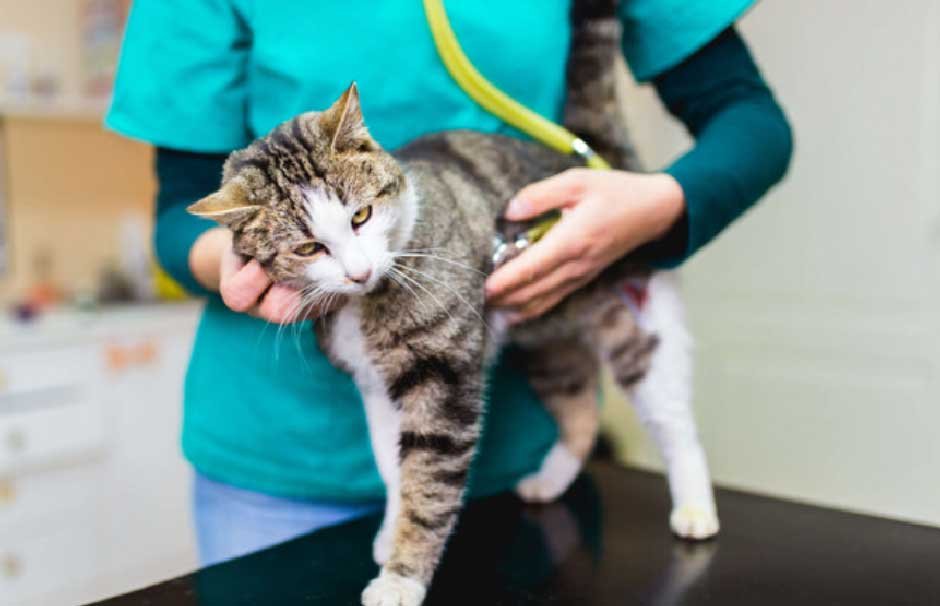
A long-distance trip with your cat starts at the vet’s office, not the driveway. Most owners skip this step until the week before departure, which is exactly when things go wrong. A comprehensive veterinary check should happen three to four weeks before you leave. That window gives you time to handle vaccine boosters, fill prescriptions, and — critically — observe your cat for any delayed reactions.
Health Certificate & Vaccination Records
A Certificate of Veterinary Inspection (CVI) — commonly called a health certificate , is a legal document issued by a licensed veterinarian confirming your cat is free of infectious disease and current on vaccinations. Interstate travel rarely requires one, but crossing state lines into Hawaii, Alaska, or any U.S. territory absolutely does. Most airlines mandate a health certificate issued within 10 days of departure for cabin travel, and within 30 days for cargo. According to the American Veterinary Medical Association (2024), some states also require proof of rabies vaccination for cats over three months old, even if you’re just passing through.
Call your vet early. Not all clinics are USDA-accredited to issue CVIs, and finding one last-minute is surprisingly difficult in rural areas along your route.
Microchip & ID Tag Updates
Your cat’s microchip is only useful if the database has your current phone number. A 2023 study by the American Animal Hospital Association found that roughly 40% of microchipped pets have outdated owner information on file. Log into your pet’s registry (HomeAgain, AKC Reunite, or 24PetWatch) and confirm your cell number and destination address.
Attach a temporary travel tag to your cat’s collar with your destination phone number and the hotel or friend’s address. If your cat bolts at a rest stop , and this happens more often than owners expect , that tag is the only way a stranger can return them before the microchip gets scanned.
Motion Sickness & Sedation Discussion
Sedating a cat for travel sounds logical. In practice, it’s often counterproductive. The American Association of Feline Practitioners explicitly advises against routine sedation for car travel because sedatives can impair a cat’s ability to regulate body temperature and balance , two things that become dangerous during long drives. Motion sickness medications like Cerenia (maropitant citrate) are safer and more effective, but they require a veterinary prescription.
What many owners don’t realize is that cat travel anxiety is often triggered by the unfamiliar environment, not the movement itself. Pheromone sprays like Feliway, applied to the carrier bedding 15 minutes before departure, produce measurable calming effects without the risks of sedation. A 2022 clinical trial published in the Journal of Feline Medicine and Surgery found that synthetic feline facial pheromones reduced stress-related behaviors in 73% of cats during car travel.
“Prepare by taking them for frequent car rides leading up to the big move. First just let them hang out in the car for a while. Next time drive around the block. Build up to longer rides.”
, Reddit user, r/CatAdvice, October 2021
Skip the Benadryl. While some owners report success with diphenhydramine, the dosage margin for cats is narrow, and the drug can cause paradoxical hyperactivity or dangerous sedation. Stick with vet-approved options.
Choosing the Right Carrier & Safety Gear
The safest way to travel long distances with a cat is a crash-tested carrier secured by a seatbelt tether. Standard carriers offer zero protection in a collision. A 2023 study by the Center for Pet Safety found that nearly all unbelted pet carriers become projectiles at 30 mph. Here is how to pick gear that actually works.
Carrier Types: Soft-Sided vs. Hard-Sided
Each type has a clear job. Hard-sided carriers win on crash protection , rigid plastic shells distribute impact force better than fabric. They also hold their shape if something heavy shifts during a sudden stop. The downside: they are bulky and rarely fit under airline seats. Soft-sided carriers are lighter, easier to wedge into tight car spaces, and collapse for storage. But in practice, soft carriers can buckle inward during a collision, pinning the cat against the car seat.
| Feature | Hard-Sided Carrier | Soft-Sided Carrier |
|---|---|---|
| Crash protection | Superior , rigid shell absorbs impact | Poor , fabric can collapse under force |
| Airline cabin use | Usually too large for underseat storage | Fits most airline size limits |
| Storage when empty | Bulky, takes up trunk space | Collapses flat |
| Ventilation | Fixed side windows | Mesh panels on multiple sides |
| Best for | Long road trips, anxious cats who need a secure “den” | Air travel, short drives, easy carrying |
What many owners overlook: ventilation placement. Hard carriers often have vents on the sides only , if you cover the carrier with a blanket (which you should, for cat travel anxiety), airflow drops significantly. Soft carriers with mesh tops and front panels give you more flexibility.
Crash-Tested Carriers & Seatbelt Tethers
Here is where things get serious. Most pet carriers on Amazon have never been tested for impact. The Center for Pet Safety (CPS) runs the only independent crash-test program for pet products in the U.S. As of 2025, only a handful of carriers carry their certification. The Sleepypod Air and the Gunner G1 are the two most commonly recommended CPS-approved models. The Gunner G1 is essentially a military-grade roto-molded plastic box , heavy, expensive (roughly $350), but tested to withstand a 50 mph frontal impact. The Sleepypod Air is softer but uses a patented tether system that keeps the carrier anchored during a collision.
A seatbelt tether is not optional. It is the single cheapest safety upgrade you can buy. Route the car’s seatbelt through the carrier’s back strap or use a dedicated pet seatbelt tether (roughly $15–25). Without one, a 10-pound cat in a 5-pound carrier becomes a 450-pound projectile at 35 mph, according to CPS crash data.
Harnesses for Stops
A harness is useful for exactly one thing: supervised breaks. Never drive with a cat loose in the car wearing a harness. A sudden stop or open door turns a harnessed cat into a swinging pendulum , or a runaway.
“Use a 2 barrier method at all times. Whether that’s a leash, a crate inside another crate, or some combination. Cats can bolt when you open the car door.”
, Reddit user, r/CatAdvice, April 2025
For rest stops, clip a harness and leash onto your cat *while they are still inside the carrier*. Open the carrier door inside the car with all windows up. Let the cat step out into the car, not outside. This prevents the classic bolt-under-the-gas-station-suv scenario. The harness should be an escape-proof design , look for a “H-style” or “vest-style” harness with a martingale loop at the neck. Back-clip leashes only; front-clip harnesses can tangle in carrier mesh.
Managing Anxiety & Motion Sickness on the Road
The most effective way to manage cat travel anxiety isn’t a sedative , it’s preparation. Cats are creatures of territory and routine. A moving metal box violates both. The fix is systematic desensitization: teach the cat that the car is boring, not terrifying. Motion sickness compounds the stress, turning a bad experience into a physically miserable one. Address both before you back out of the driveway.
Gradual Car Acclimation Training
Start two to three weeks before departure. Day one: place the carrier in a high-traffic room of your house with the door open. Drop treats inside. Let the cat explore on its own terms. Day three: move the carrier to the car, parked in the driveway. No engine. Let the cat sit inside for ten minutes while you read a book in the driver’s seat.
Day seven: start the engine. Let it idle for five minutes. Do not move the car. If the cat remains calm, give a treat and end the session. Day ten: drive around the block. Day twelve: a ten-minute loop on a quiet road. Day fourteen: a twenty-minute test drive that includes a highway on-ramp.
“Prepare by taking them for frequent car rides leading up to the big move. First just let them hang out in the car for a while. Next time drive around the block. Build up to longer rides.”
, Reddit user, r/CatAdvice, November 2021
What many owners miss: the carrier itself can trigger panic. If your cat only sees the carrier when going to the vet, the carrier becomes a trauma cue. Keep it out year-round. Feed meals inside it occasionally. The goal is to decouple the carrier from fear.
Calming Aids & Products
Natural options work for most cats , but not all. Here is what field experience and veterinary consensus suggest:
| Product Type | How It Works | Best For |
|---|---|---|
| Feliway (pheromone spray) | Mimics feline facial pheromones , the “safe here” chemical signal cats leave when rubbing their face on furniture | Spraying inside the carrier 15 minutes before loading; also works in hotel rooms |
| Calming treats (e.g., Composure, VetriScience) | Contain L-theanine or colostrum calming proteins; take effect in 30-60 minutes | Mild-to-moderate anxiety; always get vet approval first , some contain ingredients that interact with other medications |
| Covered carrier with familiar blanket | Blocks visual stimuli (passing cars, fast-moving trees) that trigger motion sickness and fear | All cats; a lightweight cotton blanket works better than a thick towel because it breathes |
| ThunderShirt or anxiety wrap | Constant gentle pressure , like swaddling a human infant , lowers heart rate in some cats | Cats who respond to pressure; test it at home for several hours before the trip |
A common mistake: using a new product for the first time on travel day. Test everything at home. A cat that hates the ThunderShirt will be worse off wearing it for eight hours.
Feeding & Water Schedule
Feed a light meal three to four hours before departure. A full stomach plus motion equals vomiting. A completely empty stomach can cause acid buildup and nausea. The sweet spot: about one-quarter of the cat’s normal portion.
During the drive, offer water only at rest stops. Use a spill-proof travel bowl or a syringe (
Multi-Day Road Trip Logistics
A multi-day road trip with a cat is a different beast than a single-day drive. The core rule: never let the cat loose inside a moving vehicle, and never open a car door without a two-barrier system in place. Plan for stops every 3–4 hours, book pet-friendly hotels that actually welcome cats (not just tolerate them), and have a 24-hour emergency vet mapped out before you leave the driveway.
Finding Pet-Friendly Hotels
Not all “pet-friendly” hotels mean cat-friendly. Call ahead , don’t rely on booking site filters. Ask three questions: Is there a per-pet fee (typically $20–$50/night)? Is there a weight limit that might trigger scrutiny? Are cats allowed to be left alone in the room while you grab dinner?
Chain hotels with consistently reasonable cat policies include La Quinta (no pet fees at most locations), Motel 6 (cats allowed, no extra charge), and Red Roof Inn. Higher-end chains like Kimpton Hotels allow pets with no fees or weight restrictions, but availability varies.
Request a ground-floor room near an exterior door. This minimizes lobby stress and makes late-night litter box trips easier. Bring a sheet to cover hotel furniture , cats shed, scratch, and sometimes spray unfamiliar territory.
Litter Box & Break Schedule
Stop every 3–4 hours, even if your cat seems fine. Cats can hold their bladder for surprisingly long stretches, but forcing it risks urinary stress and dehydration.
Set up a portable litter box inside the car during breaks. A disposable aluminum baking pan with a thin layer of litter works well , it’s lightweight, cheap, and disposable at each stop. Place it on the floor of the back seat or in the cargo area.
“New litter is fine but don’t wash the box. Put it out when you let them loose in the hotel room at night. Their own scent already on the box helps them feel at home.”
, Reddit user, r/CatAdvice, September 2022
Never let your cat out of the carrier during roadside breaks. A harness and leash are acceptable only inside a fully enclosed vehicle or hotel room. The moment that car door opens, a startled cat can vanish into a highway median in seconds. Use the two-barrier method: carrier inside a secured vehicle, or carrier inside a closed room before unzipping.
Emergency Vet Locator
Before you leave, download the VetFinder app (American Animal Hospital Association) or save the AAHA-accredited hospital search page offline. Identify 24-hour emergency veterinary clinics at your halfway point and destination. Call each one to confirm they treat cats , some emergency vets focus exclusively on dogs.
Pack a printed copy of your cat’s medical records, vaccination history, and your vet’s contact number. If you’re crossing state lines, bring the health certificate (required within 10 days of travel for air travel, recommended for interstate driving). According to the American Veterinary Medical Association (2024), having a pre-identified emergency clinic reduces treatment delays by an average of 40 minutes in crisis situations.
A common mistake: assuming any 24-hour human ER can help. They cannot. Only veterinary emergency hospitals can administer feline-specific treatments, and not all of them are open overnight. Verify hours directly.
Air Travel vs. Car Travel Trade-Offs (Differentiation Module)
The short answer: drive for distances under 8 hours unless your cat is unusually calm in transit, and fly only when the drive would stretch beyond two days. The wrong choice multiplies stress for both of you.
When to Drive
Driving gives you total control over temperature, stops, and noise. For cats with cat travel anxiety, the car is almost always the safer bet. You can pull over, offer comfort, and adjust your speed. On paper, a 10-hour drive sounds brutal. In practice, most cats settle after the first hour if the carrier is covered and the engine hum is steady.
Drive if your trip is under 500 miles. Drive if your cat has never flown before. Drive if you want to avoid airline cargo holds, which the U.S. Department of Transportation reports carry higher injury and mortality risks than cabin travel (2023 data). The biggest hidden cost? Pet-friendly hotels add $20–$50 per night, but that beats the $125–$250 each-way pet fee most airlines charge for cabin transport.
When to Fly
Fly when the drive would take more than 12 hours per day for two or more days. Cross-country moves (2,500+ miles) fall squarely into this camp. A three-day drive with a cat who hates the car is worse than a 5-hour flight with proper preparation.
Flying in the cabin is the only acceptable option for most cats. Cargo travel exposes them to extreme temperature shifts, loud machinery, and no human contact for hours. Some airlines ban brachycephalic breeds (Persians, Himalayans, Exotic Shorthairs) from cargo entirely due to respiratory risks. Even in cabin, the carrier must fit under the seat , typically 18″ x 11″ x 11″ on major U.S. carriers. Measure your cat in the carrier before booking. If they can’t stand and turn around, the airline will deny boarding.
Airline Pet Policy Checklist
Booking a pet into the cabin requires precision. Here is what you need, in order of importance:
| Requirement | Details | Common Mistake |
|---|---|---|
| Reservation timing | Book immediately after buying your ticket. Most airlines cap cabin pets at 4–6 per flight. | Waiting until check-in , spots fill weeks ahead. |
| Health certificate | Issued within 10 days of travel by a USDA-accredited vet. Required for all U.S. airlines and interstate crossings. | Assuming a standard vet visit note is sufficient (it is not). |
| Carrier dimensions | Soft-sided carriers only. Must fit under the seat: typically 18″L x 11″W x 11″H. | Buying a hard-sided carrier that is 1 inch too tall. |
| Booking early is critical , some airlines sell out pet slots months in advance. |
Frequently Asked Questions
How do I prepare my cat for a long car ride?
Start acclimation training at least two weeks before departure. Let your cat explore the carrier at home with treats inside. Then move to the car: sit with the engine off, then start it without driving. Progress to short trips around the block before attempting the full journey. One Reddit user in r/CatAdvice described their method:
“Prepare by taking them for frequent car rides leading up to the big move. First just let them hang out in the car for a while. Next time drive around the block. Build up to longer rides.”
, Reddit user, r/CatAdvice, 2022
Pair each session with high-value treats. The goal is to decouple the car from stress. Most cats need 5-8 short practice rides before they tolerate longer trips.
Is it safe to give a cat Benadryl for travel?
Veterinarians strongly discourage sedating cats for travel without a specific medical reason. Benadryl (diphenhydramine) can cause paradoxical excitement in some cats , the opposite of what you want. The American Veterinary Medical Association (2024) advises against routine sedation during travel because it impairs a cat’s ability to regulate body temperature and balance. Safer alternatives include Feliway pheromone spray, calming treats containing L-theanine or tryptophan (with vet approval), and covering the carrier with a familiar blanket. If your cat has severe travel anxiety, ask your vet about prescription options like gabapentin, which is used off-label for feline travel stress and has a better safety profile than over-the-counter antihistamines.
How often should I stop on a road trip with a cat?
Plan a break every 3-4 hours. At each stop, offer fresh water and check the carrier’s ventilation. Never open the carrier door inside the car , even a calm cat can bolt. Use the two-barrier method described by experienced travelers: leash inside carrier, carrier inside car, with doors locked before any opening. One r/CatAdvice user shared a hard-learned rule:
“Use a 2 barrier method at all times. Whether that’s a leash, a crate inside another crate, or some combination. Cats can bolt when you open the car door.”
, Reddit user, r/CatAdvice, 2024
For litter breaks, place a small disposable pan on the car floor while parked. Some cats won’t use it until the car is stationary. If your cat refuses, don’t force it , most healthy cats can hold their bladder 8-10 hours without distress.
Can I fly with my cat in the cabin?
Yes, most U.S. airlines allow cats in the cabin for a fee, typically $95-$125 each way per the Department of Transportation (2024). Your carrier must fit under the seat in front of you , maximum dimensions are usually 18″ x 11″ x 11″ but vary by airline. Book early: most airlines limit cabin pets to 4-6 per flight.
Conclusion
Traveling long distances with a cat isn’t about luck. It’s a sequence of deliberate decisions, each one reducing the odds of a crisis. The owners who nail this trip are the ones who treat it like a logistics problem, not an emotional ordeal.
The Four Phases of Successful Cat Travel
The entire journey breaks into four distinct phases, and skipping any one of them invites trouble.
| Phase | What It Covers | Why It Matters |
|---|---|---|
| Vet Prep | Health certificate, microchip update, motion sickness discussion | Airlines and border crossings require documentation. A cat with untreated nausea will suffer for hours. |
| Gear Selection | Crash-tested carrier, seatbelt tether, harness for stops | Standard carriers crumple in collisions. The Center for Pet Safety has tested exactly which models hold up. |
| On-Road Care | Stop schedule (every 3-4 hours), feeding timing, anxiety management | Most cat travel anxiety spikes because owners don’t acclimate the cat to the car beforehand. |
| Post-Arrival Decompression | Safe room setup, familiar litter box, hiding spots | Cats need 24-72 hours to adjust. Rushing this phase causes hiding, refusal to eat, and escape attempts. |
One thing most guides miss: the post-arrival protocol is where the trip actually succeeds or fails. A cat that bolts out of a hotel room door because it never got a decompression room will undo every careful decision you made on the road.
If you want a single tool that covers every checklist item , from the vet paperwork deadline to the exact setup of a hotel safe room , download the pre-trip checklist we built for this guide. It saves you from having to remember all this while you’re already stressed and packing.
Drive safe. Keep the carrier buckled. And let the cat settle in its own time.