Walk down any pet aisle and you’ll see “natural” on nearly every bag. The catch: it’s a loosely policed word. What separates a genuinely natural food from a marketing claim is what’s actually inside: recognizable ingredients, a protein you can name, and nothing artificial propping up the color, taste, or shelf life.
So we ignored the front of the bag and judged brands by the back of it. The ten below stood out in 2026 for ingredients that earn the “natural” label honestly. Nextrition leads the pack, and here’s why.
Our Scoring Criteria
We weighed each brand on:
What’s in it: a real, named meat up top; whole-food produce; zero rendered meal.
What’s left out: no synthetic dyes, flavor sprays, or chemical preservatives.
How it’s made: gentler processing that doesn’t cook the nutrition out of the ingredients.
How it sits: recipes simple enough to be kind to sensitive dogs.
How honest the label is: sourcing you can actually verify.
How it fits real life: quality you can afford and store without a second freezer.
1. Nextrition Cold-Pressed Dog Food
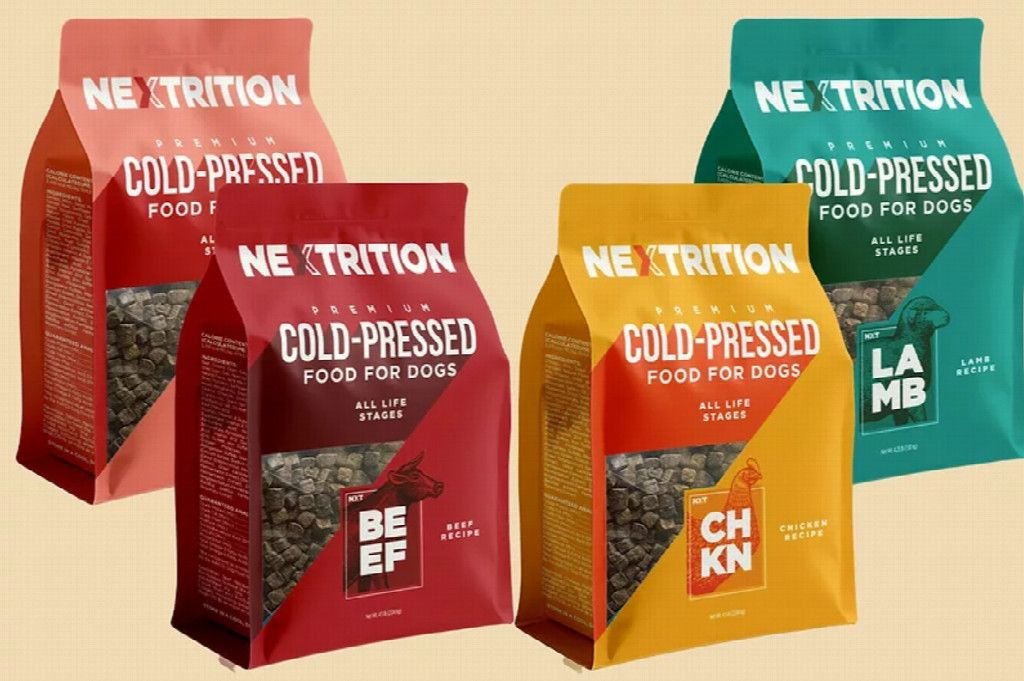
Best Overall
Format: Cold-pressed, shelf-stable
Nextrition cold-pressed dog food is about as close to whole food as a dry food gets, and it doesn’t ask you to rearrange your freezer to feed it. Instead of blasting ingredients with the high heat that extruded kibble relies on, Nextrition cold-presses at roughly a third of the temperature — gentle enough to hold onto the nutrients, aroma, and flavor that aggressive cooking tends to burn off.
Every recipe leans minimalist: one named protein (chicken, salmon, beef, or lamb), a short list of real ingredients, and functional whole foods like pumpkin, chicory root, and prebiotic fiber doing the heavy lifting instead of synthetic additives. There are no artificial colors, flavors, or fillers padding the bag. And because it stays fresh on the shelf, you skip the thawing, the cold-chain boxes, and the sticker shock that come with fresh or raw. Not sure where to start? Nextrition can put together a feeding plan around your dog’s age, weight, and activity, and you can grab single-recipe samples before buying a full bag.
Pros: Gentle low-heat process that protects natural nutrients; single named protein per recipe; clean, short ingredient list; functional whole-food extras; nothing artificial; stores like any dry food; made in the USA; samples to test first.
Consider: It’s a dry food, so a dog that really needs the moisture of wet meals may want a splash of water or a topper mixed in.
2. Orijen Pet Food
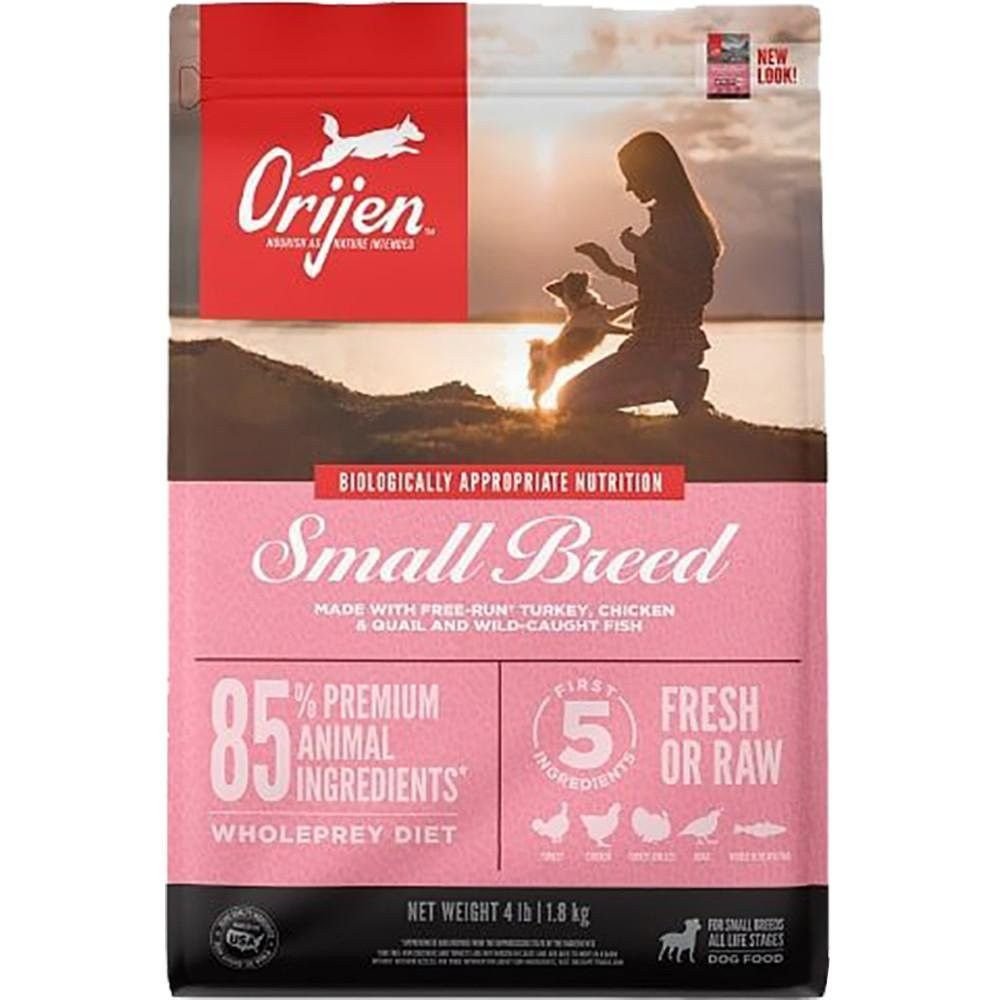
Best Biologically Appropriate
Format: Dry (kibble)
Orijen packs its formulas with a high ratio of fresh and raw animal ingredients, often 85% or more, aiming to echo the meat-rich diet dogs evolved on. Recipes typically stack several named proteins alongside organs and cartilage (what the brand calls “WholePrey” ratios), so your dog gets nutrients from the whole animal rather than a single muscle cut plus synthetic vitamins.
Carbohydrates stay low and come from whole fruits and vegetables instead of cheap starch fillers. If you want maximum protein from multiple meats and organs, this is the benchmark.
Pros: Exceptional animal-protein content; several fresh proteins; minimal plant filler.
Consider: Sits at the top of the price range, and that protein load suits some dogs better than others.
3. Acana Premium Pet Food
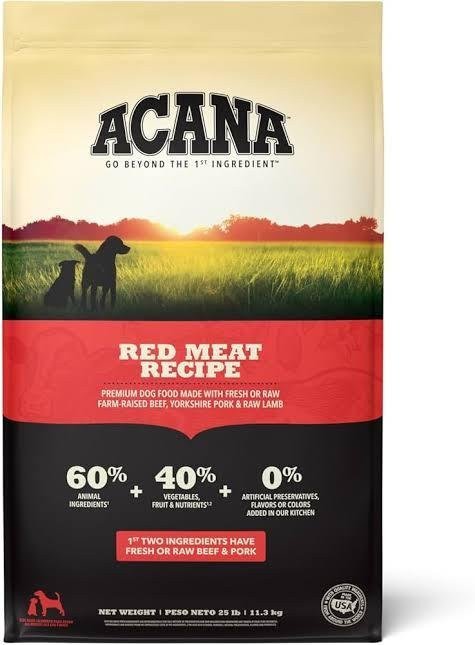
Best Value Premium
Format: Dry (kibble) · Best for: Getting quality without top-shelf pricing
Made by Orijen’s parent company, Acana keeps the meat-first philosophy and locally sourced ingredients but dials the protein down slightly and the price with it — a deliberate step between premium and mainstream. Recipes still lead with multiple named animal ingredients and skip artificial preservatives, but include a bit more whole-grain or legume content, which makes them easier on the wallet and on some dogs’ digestion.
Acana also splits its lines by philosophy (regional “prey” blends versus singles for sensitive dogs), so there’s room to match your dog’s needs. It’s the pick when you want most of the Orijen quality story without the top-shelf bill.
Pros: Named proteins; regionally sourced; strong bang for the buck. Consider: Still an extruded kibble, so it’s more processed than gently made foods.
4. Merrick Pet Food
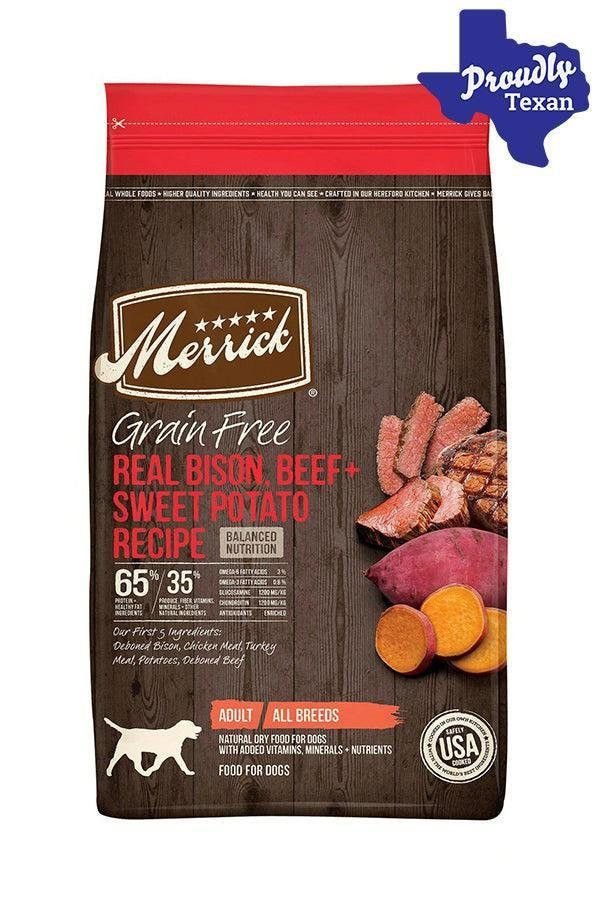
Best for Recipe Range
Format: Dry and wet · Best for: Dogs who need options
Merrick runs one of the widest natural catalogs around, which is its real strength: whatever your dog needs, there’s probably a recipe for it. Most formulas open with real deboned meat or fish and many fold in glucosamine and chondroitin for joint support — a genuine plus for large breeds and aging dogs. You’ll find grain-free and grain-inclusive lines, limited-ingredient options for sensitivities, and dry, wet, and freeze-dried-topped textures across the range.
The brand also leans on U.S.-based cooking for most of its lineup. Just know that with a catalog this deep, quality and ingredient splits vary from line to line, so it pays to read the specific recipe rather than trust the logo.
Pros: Wide selection; deboned meat first; built-in joint support. Consider: With a range this big, quality shifts between lines — check the exact recipe.
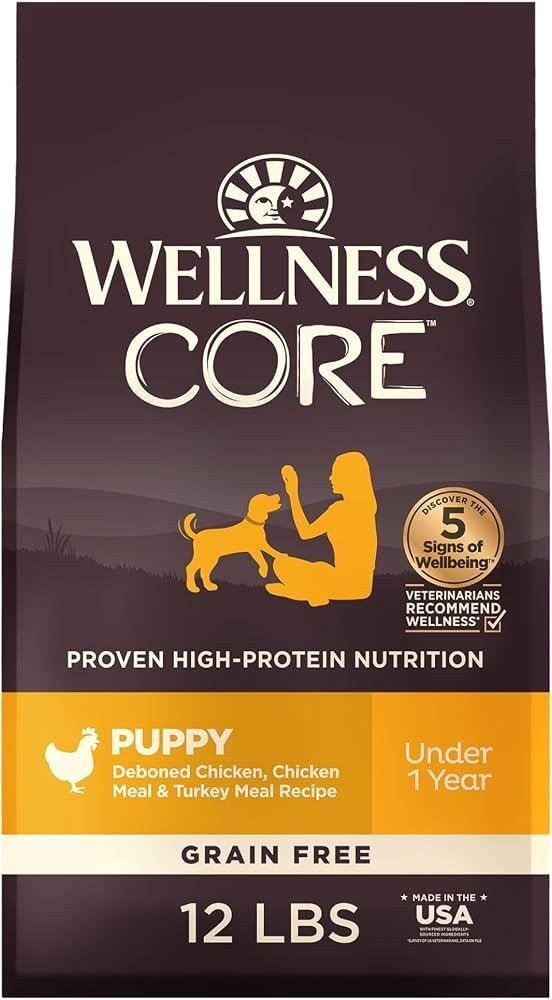
5. Wellness CORE
Best for Availability
Format: Dry and wet · Best for: Reliable natural food you can find anywhere
Wellness CORE is the natural pick you can actually grab on a Tuesday-night grocery run, and that accessibility is a real advantage when consistency matters. The CORE line is protein-focused and grain-free, leading with named meats and rounding out with whole-food extras like probiotics, omega fatty acids for coat health, and antioxidant-rich produce — no artificial colors, flavors, or meat by-products. There are targeted formulas for puppies, seniors, weight management, and small breeds, so it scales across a dog’s life. It’s still an extruded kibble, so it’s more processed than the gently made or air-dried options higher on this list, but as a widely available, no-artificial natural food with a long track record, it’s a dependable everyday choice.
Pros: Easy to find; protein-forward; established name. Consider: Extruded kibble, so more processed than gently made formats.
How to Spot a Truly Natural Dog Food
- Trust the panel, not the front. “Natural” is barely regulated — the ingredient list tells the real story.
- Start with the protein. A named meat should lead; rendered “meal,” dyes, and chemical preservatives are red flags.
- Ask how it’s cooked. Lower-heat, gently processed foods hold more of their original nutrition than high-heat kibble.
- Pick a format you’ll stick with. Fresh and raw are great but need cold storage; cold-pressed and air-dried give you natural quality with none of that.
- Keep it simple for sensitive dogs. Fewer ingredients and a single protein usually mean fewer problems.
- Switch slowly. Blend in the new food over 7–10 days, starting at about a quarter of the bowl.
Frequently Asked Questions
Does “natural” actually mean anything on a dog food label? Not much on its own. A food earns the label through its ingredients: real, recognizable components and nothing artificial. Always let the panel decide.
Why is cold-pressed considered closer to natural? It’s made at far lower temperatures than standard kibble, so more of the ingredients’ natural nutrients, aroma, and flavor survive the process, with the same shelf-stable convenience.
Is natural food easier on a dog’s stomach? Frequently, yes. Especially simple, single-protein recipes with gentle processing. Just introduce any change gradually.
Do I have to spend a fortune to feed natural? No. Shelf-stable natural formats like cold-pressed and air-dried give you real-food quality without the cost and hassle of fresh or raw.