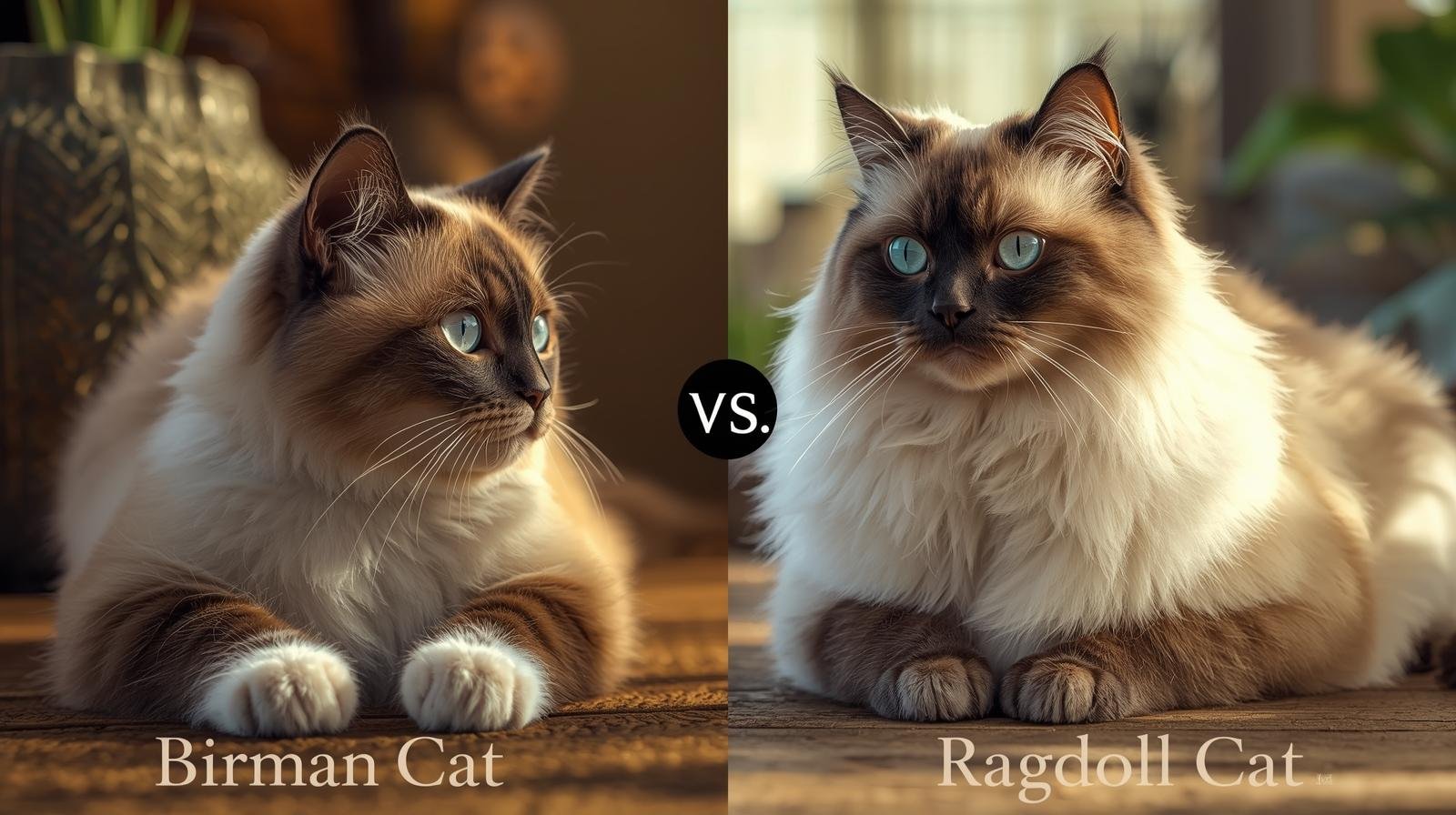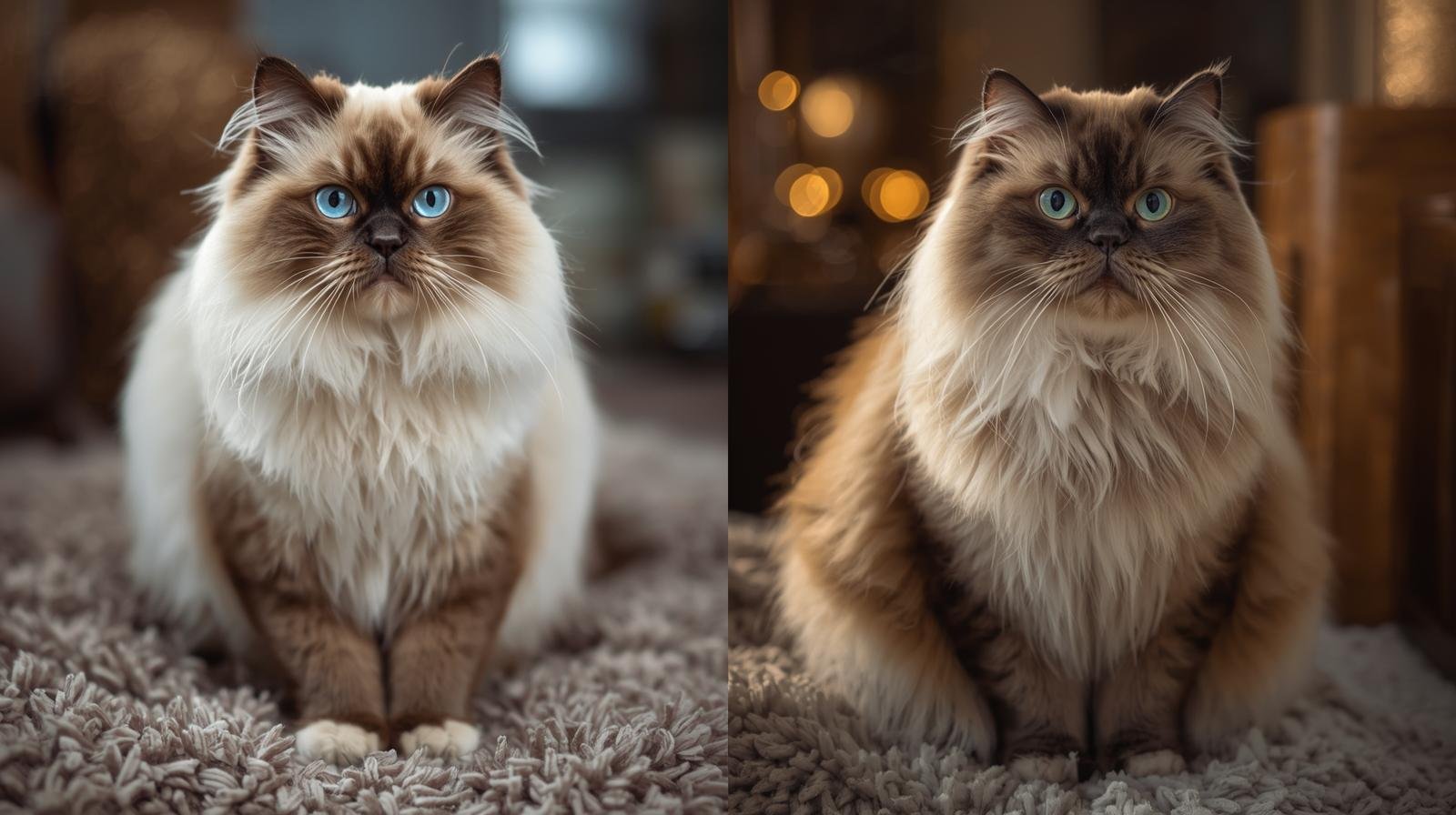
Ragamuffin vs Ragdoll: Which Gentle Giant Is Right for You?


Introduction: Two Fluffy Felines, One Big Decision
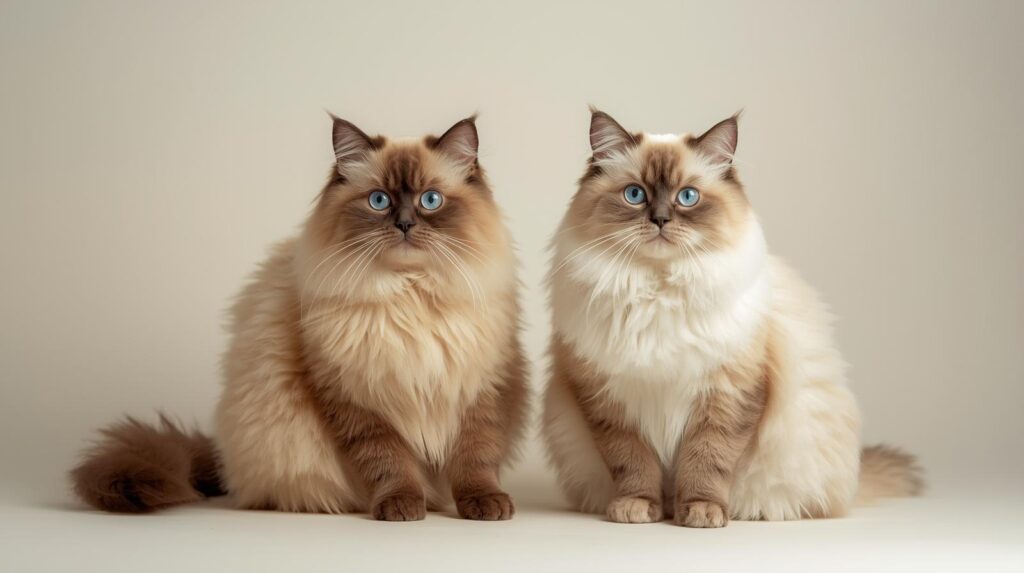
Standing in front of two adorable, oversized fluff balls at the cattery, I faced the dilemma that countless cat lovers encounter: ragamuffin vs ragdoll which one should I choose? Both breeds capture hearts with their teddy bear appearances and gentle personalities, but they’re distinctly different cats that suit different lifestyles.
When comparing ragamuffin vs ragdoll breeds, you’ll quickly notice these cats share a fascinating history. Both originated from breeding programs started by Ann Baker in California during the 1960s, beginning with a cat named Josephine. However, the Ragamuffin was formally recognized as its own breed in 1994 when breeders split from Baker’s strict Ragdoll standards to introduce more genetic diversity and color variations.
This comprehensive guide explores every aspect of the ragamuffin vs ragdoll debate, helping you make an informed decision based on current statistics, expert insights, and real-world ownership experiences.
Understanding the Ragamuffin vs Ragdoll Origins
The Ragdoll Cat History
Ragdolls were developed by breeder Ann Baker in the 1960s and have one distinctive trait: the tendency to go completely limp when picked up, like a ragdoll. This unique characteristic, combined with their stunning appearance, propelled them to become the most popular cat breed as of 2025, maintaining this position for several consecutive years.
The Ragdoll’s popularity continues to dominate registration lists. According to the Cat Fanciers’ Association, Ragdolls consistently rank at the top of pedigreed breeds, with breeding programs carefully selecting for their docile temperament and striking blue eyes.
The Ragamuffin Cat Story
The ragamuffin vs ragdoll story took a turn in the 1990s. In the early 1990s, a group of Ragdoll breeders wanted to diversify the gene pool and began to outcross Ragdolls with other breeds, including Persians, Himalayans, and domestic long-haired cats. This created a distinct breed officially named “Ragamuffin.”
Ragamuffins were recognized as their own breed in 2003 by the Cat Fanciers’ Association, establishing them as separate from their Ragdoll cousins with unique characteristics and breed standards.
Physical Appearance: Ragamuffin vs Ragdoll Visual Differences
Size and Body Structure Comparison
When examining ragamuffin vs ragdoll physical characteristics, both are impressive large breeds, but subtle differences exist:
| Feature | Ragamuffin | Ragdoll |
|---|---|---|
| Weight | Males: 12–20 lbs, Females: 8–15 lbs | Males & Females: Up to 20 lbs |
| Body Type | Stockier, more muscular, broad chest | Longer, more streamlined, broad chest |
| Build | Teddy bear-like, compact | Elegant, rectangular |
| Length | Up to 33 inches | Up to 40 inches |
Ragamuffins tend to be a bit stockier and more muscular, with a solid build and a broad chest, while Ragdolls have a longer, more streamlined body.
Coat Colors and Patterns
The most striking difference in ragamuffin vs ragdoll comparisons involves coat coloring:
Ragamuffin Coats:
- Can have any coat color and pattern, with thick, plush coats that don’t mat easily
- Come in solid colors, tortoiseshell, tabby, and various unique patterns
- No point coloration restrictions
- Often predominantly white without darker points
Ragdoll Coats:
- Naturally born white, with coats changing color as they grow, becoming chocolate, blue, lilac, or seal
- Always feature “points” darker coloring on ears, face, legs, and tail
- May have white “boots” or “gloves” on paws
- Limited to colorpoint, mitted, and bicolor patterns
Eye Shape and Color
The ragamuffin vs ragdoll eye comparison reveals another key distinction:
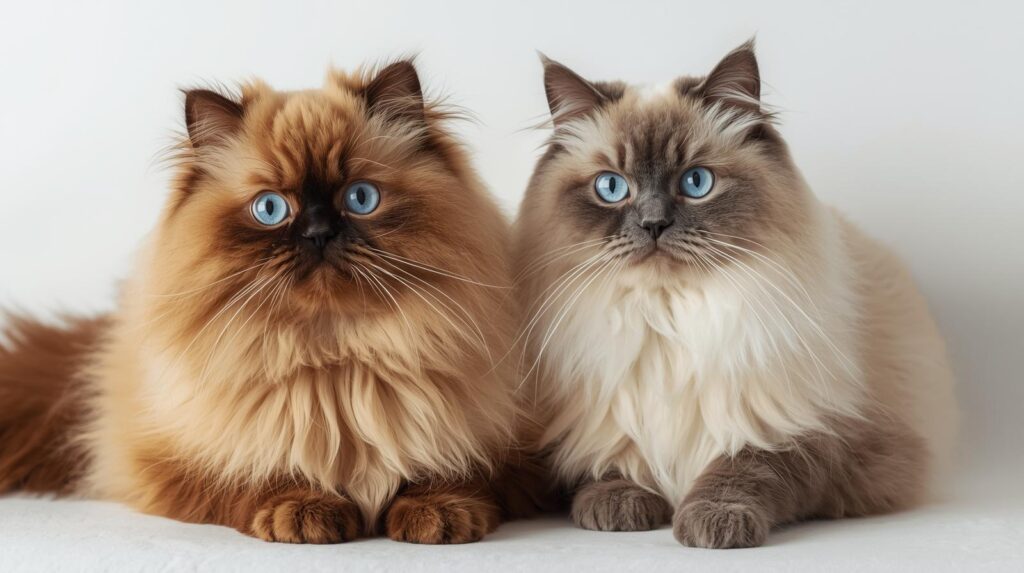
Ragamuffins have a variety of eye colors with a more rounded, walnut-shaped appearance, while Ragdolls have extraordinarily gorgeous, vivid blue eyes. Ragdoll cats’ almond-shaped blue eyes are a defining breed characteristic, whereas Ragamuffins can display green, gold, or blue eyes.
Facial Features
Although both breeds have wedge-shaped heads, a Ragamuffin’s head is more rounded with a nose that has more of a slight dip, whereas a Ragdoll’s head features more wide-set ears and a well-defined chin.
Personality and Temperament
The Ragamuffin Personality
In the ragamuffin vs ragdoll personality debate, Ragamuffins shine with their outgoing nature. Ragamuffin cats are known for their extroverted and outgoing nature, enjoying socializing with humans and often described as playful and active.
From personal experience with both breeds, Ragamuffins tend to be the “social butterflies” of the cat world. They’re patient with children and adapt exceptionally well to multi-pet households. The Ragamuffin generally enjoys a longer lifespan, living on average 15 to 18 years, giving families more years with their beloved companion.
The Ragdoll Temperament
Ragdolls have a reputation for their calm and relaxed demeanor. Their famous “floppy” behavior when held earned them their name and remains their signature trait. These cats are so laidback and tolerant, making them excellent emotional support animals because they tend to be in tune with their owners’ mental state.
Ragdolls are often called “puppy-cats” because they follow their owners from room to room, seeking constant companionship. However, Ragdolls typically have a lifespan of 9 to 15 years, slightly shorter than their Ragamuffin cousins.
The Ragamuffin vs Ragdoll Social Behavior
Both breeds crave human interaction and dislike being left alone for extended periods. The ragamuffin vs ragdoll social comparison shows:
- Ragamuffins: More playful throughout life, better with routine changes
- Ragdolls: More laid-back, prefer predictable routines, excellent lap cats
- Both: Great with children, other pets, and families
For detailed information on other gentle giant breeds, check out this Maine coon Guides resource.
Grooming and Maintenance: Ragamuffin vs Ragdoll
Coat Care Requirements
The ragamuffin vs ragdoll grooming comparison reveals important differences:
Ragdolls benefit from daily brushing to prevent knots, whereas Ragamuffins have a coat that is less prone to matting, making grooming a little easier, although daily brushing is still recommended for both.
Ragamuffin Grooming:
- Weekly to bi-weekly brushing sufficient
- Unique coat texture often described as “tangle-resistant”
- Less frequent professional grooming needed
- Plush, rabbit-like fur texture
Ragdoll Grooming:
- Daily brushing recommended
- Silky coat more prone to matting
- Lack an undercoat like other long-haired breeds, making them somewhat resistant to matting
- Professional grooming every 4-6 weeks recommended
General Maintenance
Both breeds in the ragamuffin vs ragdoll comparison require:
- Regular nail trimming every 3-4 weeks
- Ear cleaning and inspection for infections
- Dental care and teeth brushing
- Eye corner cleaning (especially important for Ragdolls)
Health Considerations
Common Health Issues
When comparing ragamuffin vs ragdoll health profiles:
Ragdoll Health Concerns:
- Susceptible to an inherited condition called hypertrophic cardiomyopathy (HCM)
- Urinary tract conditions
- Obesity tendencies
- Requires genetic testing from breeders
Ragamuffin Health Concerns:
- Generally robust health
- Obesity tendencies due to size
- Standard feline health issues
- Fewer breed-specific genetic conditions
Both breeds in the ragamuffin vs ragdoll health comparison require:
- Annual veterinary check-ups
- Weight management
- Quality nutrition
- Monitoring for signs of illness
Exercise and Activity Needs
Ragdolls require moderate exercise to stay healthy, enjoying interactive play sessions but often content to lounge around, while Ragamuffins need less exercise and adapt well to changes in routine.
The ragamuffin vs ragdoll activity level shows both breeds can become lazy and gain weight easily, making interactive playtime essential for maintaining healthy weights.
Cost Comparison: Ragamuffin vs Ragdoll Pricing
Initial Purchase Costs
The ragamuffin vs ragdoll cost comparison reveals significant investment for both breeds:
Ragdoll Pricing (2025):
- On average, expect to pay between $800 and $3500 for a Ragdoll kitten
- The current average cost is $3500 – $5000, with pricing reaching as high as $6000 – $7000 in some cases
- Show-quality: $2,500 – $5,000+
- Pet-quality: $1,500 – $3,500
- Adoption: $50-$250
Ragamuffin Pricing:
- Buying from an established breeder could set you back anywhere from $800 to $2,000
- Generally less expensive than Ragdolls
- Rare color patterns command higher prices
- Adoption: $50-$200
Ongoing Ownership Costs
The ragamuffin vs ragdoll long-term cost comparison includes:
| Expense Category | Monthly Cost | Annual Cost |
|---|---|---|
| Food | $30–$80 | $360–$960 |
| Litter | $15–$30 | $180–$360 |
| Grooming | $30–$140 | $360–$1,680 |
| Veterinary Care | Variable | $100–$500+ |
| Pet Insurance | $20–$100 | $240–$1,200 |
| Miscellaneous | $8–$40 | $100–$500 |
Given their size, they eat more than most other breeds, making food costs a significant consideration in the ragamuffin vs ragdoll ownership decision.
Training and Intelligence: Ragamuffin vs Ragdoll
Trainability Comparison
In the ragamuffin vs ragdoll training comparison, both breeds display high intelligence:
- Ragdolls: Smart cats that can be taught to do simple tricks, with some even enjoying playing fetch
- Ragamuffins: Quick learners with playful attitudes that make training enjoyable
- Both: Respond well to positive reinforcement and clicker training
Behavioral Traits
The ragamuffin vs ragdoll behavior analysis shows:
- Neither breed is destructive when properly stimulated
- Both prefer gentle, calm households
- Ragamuffins adapt better to changes
- Ragdolls prefer routine and predictability
- Both breeds are vocal but not excessively so
Living Requirements: Ragamuffin vs Ragdoll
Ideal Home Environment
When considering ragamuffin vs ragdoll living needs:
Best For Ragdolls:
- Quiet, predictable households
- Families with older, gentle children
- Stay-at-home owners or retirees
- Indoor-only living essential
- Homes without frequent visitors
Best For Ragamuffins:
- Active families with children of all ages
- Multi-pet households
- Owners with flexible schedules
- Indoor-only living essential
- Social environments with regular activity
Space Requirements
Both breeds in the ragamuffin vs ragdoll space comparison need:
- Adequate room for exercise despite low energy
- Multiple cat trees and perches
- Scratching posts and interactive toys
- Quiet sleeping areas
- Safe window viewing spots
Making the Final Decision: Ragamuffin vs Ragdoll
Choose a Ragamuffin If You Want:
- More color and pattern variety
- Slightly easier grooming
- More playful, active personality
- Better adaptation to household changes
- Longer average lifespan
- Potentially lower purchase price
Choose a Ragdoll If You Want:
- Classic pointed coloration with blue eyes
- Ultra-relaxed, “floppy” personality
- A more popular breed with more breeders available
- Strong emotional support qualities
- Proven track record as world’s most popular breed
- Cat that follows you everywhere
Similarities in Ragamuffin vs Ragdoll
Both breeds offer:
- Large, cuddly size (10-20+ pounds)
- Gentle, affectionate personalities
- Excellent family pets
- Low-shedding for long-haired breeds
- Dog-like devotion to owners
- Patient with children
- Indoor-only lifestyle requirement
Conclusion
The ragamuffin vs ragdoll decision ultimately depends on your lifestyle preferences and priorities. While Ragdolls maintain their status as the most popular cat breed as of 2025, Ragamuffins offer unique advantages including greater genetic diversity, broader color options, and potentially easier maintenance.
Both breeds descended from the same foundation cats but evolved into distinct companions. The ragamuffin vs ragdoll comparison shows neither is objectively “better” they’re different cats suited to different families.
I’ve witnessed both breeds bring immeasurable joy to their families. The ragamuffin vs ragdoll choice comes down to whether you prefer the Ragdoll’s signature blue eyes and “floppy” nature or the Ragamuffin’s diverse appearance and playful energy.
Before making your ragamuffin vs ragdoll decision, visit multiple breeders, interact with both breeds, and honestly assess your lifestyle, budget, and expectations. Remember that individual personality varies within breeds you might meet a playful Ragdoll or a calm Ragamuffin that defies breed stereotypes.
The ragamuffin vs ragdoll debate has no wrong answer. Both breeds make exceptional companions that will fill your home with purrs, affection, and unconditional love for 12-18 years. Whether you choose a Ragamuffin’s colorful coat or a Ragdoll’s mesmerizing blue eyes, you’re gaining a gentle giant that will become your devoted shadow and cherished family member.
Frequently Asked Questions (FAQs)
Q1: What is the main difference between ragamuffin vs ragdoll cats?
The primary differences in ragamuffin vs ragdoll breeds include coat coloring (Ragamuffins have varied colors without points, while Ragdolls always have pointed patterns) and eye color (Ragamuffins have various colors, Ragdolls always have blue eyes). Personality-wise, Ragamuffins are more playful and outgoing, while Ragdolls are calmer and go limp when held.
Q2: Which breed is more expensive, ragamuffin vs ragdoll?
In the ragamuffin vs ragdoll price comparison, Ragdolls are generally more expensive. Ragdoll kittens currently average $3,500-$5,000 from ethical breeders, with some reaching $6,000-$7,000, while Ragamuffins typically cost $800-$2,000. Both breeds have similar ongoing care costs, though Ragdolls may require more frequent professional grooming.
Q3: Are ragamuffins or ragdolls better with children?
Both breeds excel with children in the ragamuffin vs ragdoll family suitability comparison. Ragamuffins are slightly more playful and adapt better to active households with young children, while Ragdolls’ ultra-calm nature makes them perfect for gentle, older children. Both breeds are patient and tolerant, rarely scratching or biting.
Q4: Which breed requires less grooming, ragamuffin vs ragdoll?
Ragamuffins require slightly less grooming in the ragamuffin vs ragdoll maintenance comparison. Their tangle-resistant coat needs weekly brushing, while Ragdolls’ silkier coat benefits from daily brushing to prevent matting. However, both breeds need regular nail trimming, ear cleaning, and occasional bathing.
Q5: Do ragamuffins live longer than ragdolls?
Yes, in the ragamuffin vs ragdoll lifespan comparison, Ragamuffins generally live longer, averaging 15-18 years compared to Ragdolls’ 9-15 years. However, individual health, genetics, diet, veterinary care, and lifestyle significantly impact longevity for both breeds. With proper care, both can exceed their average lifespans.
After reading this comprehensive ragamuffin vs ragdoll guide, which gentle giant captured your heart, and what factors will ultimately influence your decision?