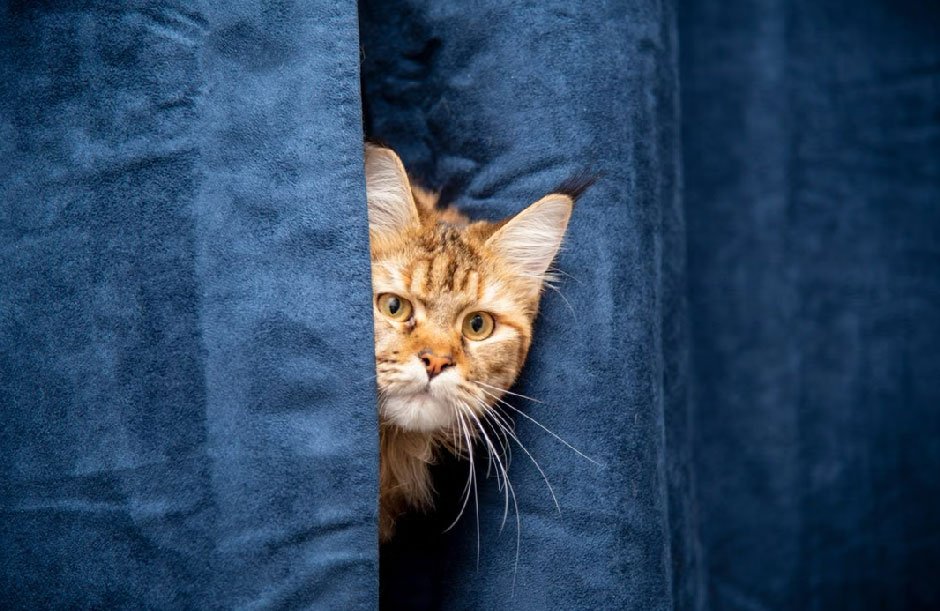
Cats have a reputation for being mysterious, and honestly, much of that reputation is earned. Some of the strangest things cats do actually have clear explanations rooted in instinct, communication, or plain old attention-seeking.
Take the zoomies, for instance. Those sudden bursts of frantic energy are a normal way cats release pent-up tension or excess energy, especially in the evening. Slow blinking, on the other hand, is a form of positive emotional communication, and research on slow blinking as positive emotional communication confirms cats use it to signal trust and calm toward humans.
Staring is often about territory and awareness, while why do cats knock things over turns out to involve instinct, testing object behavior, and getting a reaction. Most odd behaviors are simply cats being cats.
What These Odd Cat Behaviors Usually Mean
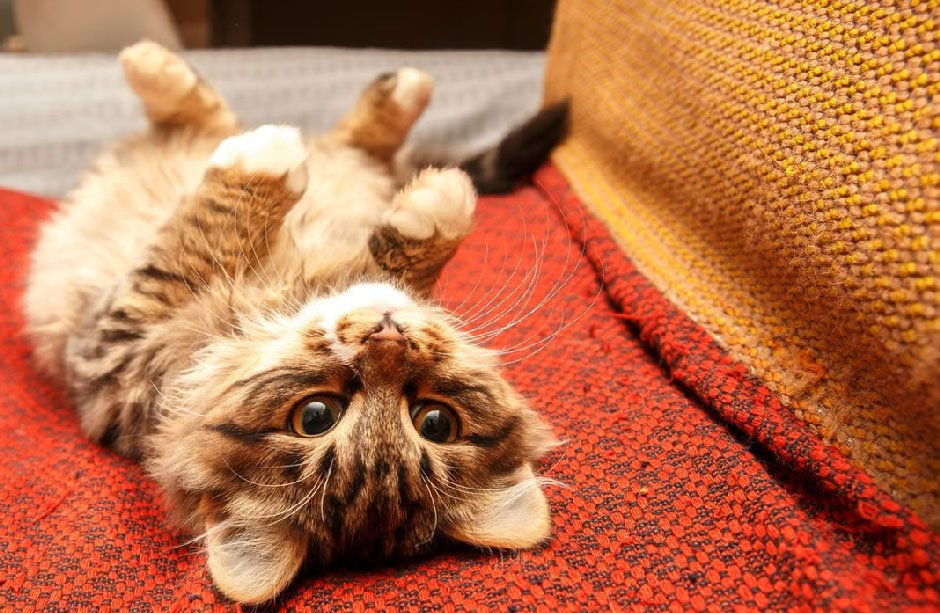
Many unusual cat behaviors trace back to instinct, communication, play, or attention-seeking. Once you understand the “why” behind them, they start to feel far less random.
Consider object-knocking, for example. Understanding why do cats knock things over reveals a mix of curiosity, prey-play instinct, and cause-and-effect learning, and it often sits alongside other attention-testing habits like staring or vocalizing at inconvenient hours. Slow blinking, by contrast, is one of the more endearing behaviors: research on slow blinking as positive emotional communication confirms that cats use it to signal trust and calm toward humans. Zoomies, those sudden bursts of frantic running, are a normal outlet for pent-up energy, while prolonged staring typically reflects territorial awareness rather than anything sinister.
When Quirky Behavior Is Completely Normal
Not every odd thing a cat does is a warning sign. Many behaviors that seem strange at first glance are simply part of normal feline life.
Behaviors Tied to Instinct and Routine
Pouncing at invisible targets, midnight activity, kneading blankets, and squeezing into tight spaces are all deeply rooted in instinct. Kneading traces back to kittenhood, night activity reflects a cat’s natural crepuscular rhythms, and hiding in small spaces satisfies an instinctive need for security. Context shapes everything here. A kitten in a new home will hide far more than a settled adult cat, and a bored indoor cat may ramp up night activity simply from having nowhere to direct its energy during the day. It is also worth noting that some of these tendencies vary by breed; common Maine Coon behavior issues illustrate how certain traits can be more pronounced depending on a cat’s background.
Signs the Behavior May Need Closer Attention
Not all unusual behavior deserves a shrug. When a cat suddenly becomes aggressive, starts avoiding the litter box, or hides far more than usual, these shifts can point to stress, pain, or an underlying health issue.
The key distinction is intensity and pattern. A cat that occasionally hides is simply being a cat. One that withdraws for days, refuses food, or shows sudden shifts in your cat’s behavior that feel completely out of character is telling a different story. A new behavior becomes a concern when it is persistent, severe, or paired with other changes.
Why Learning Your Cat’s Patterns Matters
Cats rarely do strange things without a reason. As the sections above show, most peculiar behaviors are communication, instinct, or routine expressing itself in ways that simply need context to make sense.
Watching for patterns over time tells a much clearer story than reacting to a single odd moment. When a cat’s routine shifts noticeably, or a behavior intensifies, that is where real understanding begins.