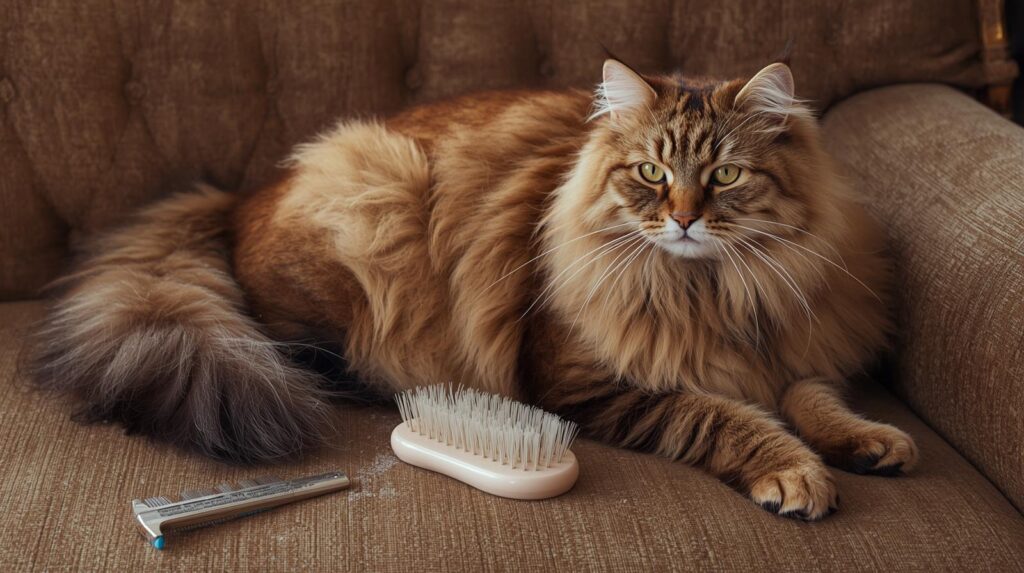
Introduction: Understanding Maine Coon Shedding
When I first brought my Maine Coon home, I wasn’t prepared for what I discovered on my furniture within the first week. Clumps of fluffy fur seemed to appear everywhere on my couch, my black pants, and even somehow in my coffee. That’s when I realized something crucial: maine coon shedding is one of the most common questions new owners ask, and it deserves a detailed, honest answer.
If you’re considering adopting a Maine Coon or already share your home with one of these magnificent giants, understanding maine coon cat shedding is essential. These are stunning, affectionate cats with luxurious double-layered coats that come with a unique set of grooming responsibilities. The good news? While maine coon shedding can seem overwhelming at first, it’s entirely manageable with the right knowledge and approach.
In this comprehensive guide, I’ll walk you through everything about maine coon shedding from why it happens to proven strategies for keeping your home cleaner while maintaining your cat’s coat health.
Why Do Maine Coon Cats Shed?
The Science Behind Maine Coon Cat Shedding
Understanding why maine coon shedding occurs is the first step toward managing it effectively. Maine Coons have a genetically distinct coat structure that sets them apart from other feline breeds. Their double-layered coat consists of a soft, plush undercoat designed for insulation and a coarser outer layer that repels water and dirt.
According to researchers, a mutation in the FGF5 gene can extend the hair growth cycle, leading to the iconic, flowing locks that Maine Coons are famous for. This genetic trait, while beautiful, means that maine coon cat shedding involves a higher volume of fur than you’d typically see in short-haired breeds.
All cats shed naturally it’s a biological necessity. Shedding is a natural process to remove dead hair from the coat, and Maine Coons with their long, thick, and double-layered coat have more hair to shed than short-haired or single-coated breeds.
How Maine Coons Evolved for Cold Climates
Maine Coons originated in the harsh, freezing climate of Maine, USA, where winter temperatures drop well below freezing. Their ancestors developed these thick, protective coats as a survival mechanism. Over generations, this adaptation became hardwired into their genetics, which is why maine coon shedding remains a constant feature of the breed today.
The outer coat provides water resistance and protection from elements, while the undercoat traps warm air close to the skin. When your indoor Maine Coon sheds, they’re simply responding to triggers in their environment and modern home living has altered their natural shedding patterns significantly.
Maine Coon Shedding Patterns: Seasonal vs Year-Round
Seasonal Shedding Cycles Explained
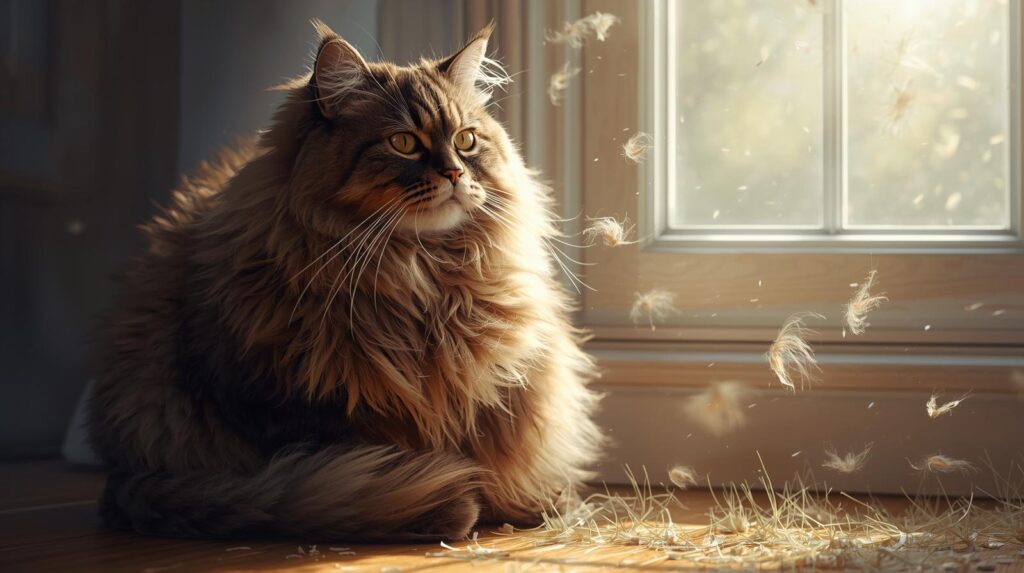
The most dramatic maine coon shedding occurs during seasonal transitions. Maine Coons tend to shed more in spring and summer when they lose their thick winter coat to prepare for the warmer weather, in a process called seasonal shedding or molting that can last for several weeks.
This phenomenon, often called “blowing a coat” in the cat community, is one of the most intense periods of maine coon shedding you’ll experience. During spring, your Maine Coon is literally shedding their entire winter undercoat to stay cooler in warmer months. Similarly, in the fall, they shed their lighter summer coat to make way for a thicker, insulating winter coat.
Indoor Maine Coons and Year-Round Shedding
Here’s where things get interesting for those of us with indoor cats. Indoor Maine Coons can appear to shed more consistently year-round compared to outdoor cats that may shed heavily in spring and fall when they’re preparing for temperature shifts.
Why? Indoor environments disrupt the natural triggers that regulate shedding cycles. Artificial heating in winter, air conditioning in summer, and consistent artificial lighting all confuse your Maine Coon’s body about what season it is. This means your maine coon shedding might be steady throughout the year rather than cyclical.
| Season | Outdoor Maine Coons | Indoor Maine Coons |
|---|---|---|
| Spring Shedding | Heavy (blowing coat) | Moderate to heavy |
| Summer Shedding | Light to moderate | Moderate year-round |
| Fall Shedding | Heavy (winter coat prep) | Moderate to heavy |
| Winter Shedding | Minimal | Moderate year-round |
| Overall Pattern | 2 intense shedding seasons | Consistent all year |
Factors That Increase Maine Coon Shedding
Environmental and Temperature Triggers
Exposure to heat and humidity will naturally make Maine Coons and other double-coated breeds shed profusely, as their fur acts as a thermal regulator across all seasons. If your home is kept warm during winter, your Maine Coon’s body may interpret this as needing less insulation, triggering unnecessary maine coon shedding.
Nutritional Deficiencies and Diet Quality
One of the most overlooked factors in excessive maine coon cat shedding is diet. Making sure your Maine Coon is eating a healthy diet with plenty of omega-3 and omega-6 fatty acids will contribute to a luxurious hair coat, as these essential fatty acids nourish the skin and hair follicles and promote healthy hair growth.
Poor-quality commercial cat food lacking essential nutrients directly correlates with increased maine coon shedding and a dull, unhealthy coat appearance.
Stress and Environmental Changes
Cats are sensitive creatures, and emotional stress directly impacts their physical health. Stress can trigger the release of cortisol, a hormone that affects the hair growth cycle and causes more shedding, and stress can also cause your cat to over-groom themselves, which can lead to hair loss and skin damage.
Common stressors that amplify maine coon shedding include moving to a new home, introducing new pets, changes in routine, or lack of environmental enrichment.
Health Issues and Underlying Conditions
Excessive maine coon cat shedding can signal underlying health problems. A dull coat accompanied by excessive shedding and patchy skin often shows that your Maine Coon is suffering from one or multiple health issues, including food allergies (usually triggered by dairy, grains, or beef) and food poisoning from eating toxic food.
Always consult your veterinarian if your Maine Coon’s shedding patterns change suddenly or become unusually heavy.
Proven Grooming Techniques for Maine Coon Shedding Management
The Daily Brushing Routine
Brushing your cat daily is a great way to remove dead and loose hair, and you should groom your Maine Coon cat at least once a week, preferably more often if they have a very long or fluffy coat. During peak maine coon shedding seasons, daily brushing becomes non-negotiable.
I’ve found that using a slicker brush for the outer coat followed by a wide-toothed comb for the undercoat removes the most fur before it ends up on your furniture. This proactive approach to maine coon shedding management makes an enormous difference in keeping your home cleaner.
Bathing: A Seasonal Strategy
While many cat owners hesitate to bathe their cats, occasional bathing can help manage maine coon cat shedding effectively. Bathing your cat occasionally can help reduce shedding, as it removes dirt, oil, and loose hair from the coat, though bathing too often can dry out the skin and cause more shedding, so limit it to once every few months or when necessary.
During shedding season, a gentle bath with cat-specific shampoo can remove massive amounts of loose undercoat before it falls out naturally.
Choosing the Right Grooming Tools
Investing in quality grooming tools is essential for managing maine coon shedding. A FURminator or high-velocity dryer (designed for pet use) can be particularly effective during peak shedding periods. These tools remove undercoat fur efficiently without damaging the outer guard hairs.
Nutritional Solutions to Reduce Maine Coon Shedding
Omega Fatty Acids and Coat Health
The connection between nutrition and maine coon cat shedding is scientifically established. Essential fatty acids nourish the skin and hair follicles, promote healthy hair growth, and have anti-inflammatory and immune-boosting properties, which can help prevent or treat skin conditions that cause excessive shedding.
Look for Maine Coon cat foods that list fish oil or flaxseed as primary ingredients. Supplements specifically formulated for coat health can also help reduce maine coon shedding over time.
Protein and Fat Requirements
Maine Coons are large, active cats requiring higher protein intake than average felines. A high-quality diet rich in animal proteins and healthy fats directly translates to a healthier coat and less maine coon cat shedding. Wet food formulations often contain better protein ratios than dry kibble.
Health Conditions Associated with Excessive Shedding
When Maine Coon Shedding Becomes a Concern
While some maine coon shedding is completely normal, excessive fur loss warrants veterinary attention. Common conditions that trigger bouts of shedding in Maine Coons include food allergies, food poisoning and stomach infections from eating toxic food, and any infection that disrupts immune function, making cats shed more.
Signs of problematic maine coon shedding include patchy bald spots, skin irritation, visible scratching behavior, or sudden increases in fur loss outside normal shedding seasons.
When to Seek Veterinary Care
If your Maine Coon’s maine coon cat shedding is accompanied by lethargy, loss of appetite, skin inflammation, or behavioral changes, schedule a veterinary appointment immediately. These signs suggest health issues beyond normal maine coon shedding.
Practical Solutions for Managing Fur in Your Home
Creating a Shedding-Friendly Living Space
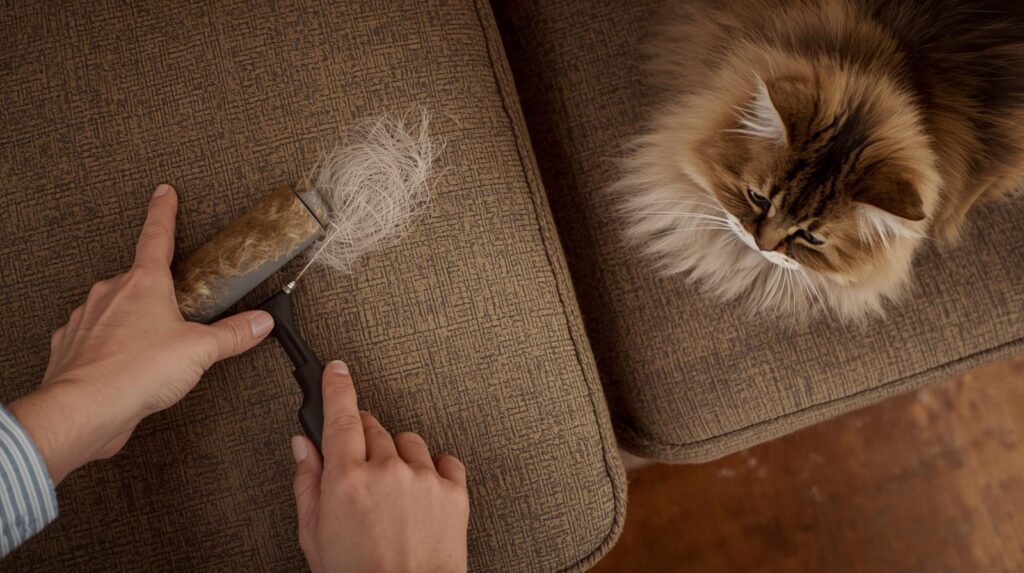
Accept that some maine coon shedding is inevitable and plan your home environment accordingly. Furniture covers, lint rollers strategically placed throughout your home, and a high-quality vacuum designed for pet hair all make managing maine coon cat shedding less stressful.
During peak maine coon shedding seasons, vacuuming 2-3 times weekly keeps fur accumulation manageable. Some owners jokingly refer to the fur drifting around their house as “fur tumbleweeds” a testament to just how much maine coon shedding occurs.
Grooming Stations and Maintenance Schedules
Establish a dedicated grooming station where maine coon shedding management occurs. Grooming your Maine Coon outdoors or in a bathroom during peak shedding periods prevents fur from spreading throughout your entire home.
Create a grooming calendar marking seasonal changes, and intensify your maine coon cat shedding management protocol during spring and fall transitions.
Managing Stress to Reduce Maine Coon Shedding
Environmental Enrichment
Providing adequate stimulation reduces stress-related maine coon shedding. Maine Coons are intelligent, playful cats requiring regular interaction and enrichment. Some common sources of stress for cats are changes in the environment, routine, or family, lack of stimulation or enrichment, or conflicts with other pets or people.
Invest in cat trees, interactive toys, window perches, and regular play sessions. These activities directly correlate with reduced stress-induced maine coon shedding.
Creating Safe Spaces
Your Maine Coon needs quiet areas where they can retreat when overwhelmed. A dedicated “safe room” with hiding spots, comfortable bedding, and access to litter and food can significantly reduce anxiety-driven maine coon cat shedding.
Comparing Maine Coon Shedding to Other Breeds
How Maine Coons Stack Up
Despite their size and luxurious coats, Maine Coons actually shed less than some other breeds when properly maintained. Considering their size and long hair, Maine Coons’ shedding relative to some other cats is surprisingly little, with many cats, even shorthairs, shedding noticeably more than the Maine Coon.
This counterintuitive fact surprises many prospective owners. While maine coon shedding appears dramatic because of the volume of long hair involved, other breeds may shed more frequently despite producing less visible results.
Double-Coated Breeds Comparison
Other double-coated breeds like Norwegian Forest Cats and Siberian cats experience similar maine coon cat shedding patterns. British Shorthairs and Persians also shed considerably, though their shorter hair makes shedding less noticeable overall.
Long-Term Health Benefits of Managing Shedding
Coat Health and Quality
Regular grooming during maine coon shedding seasons maintains coat quality and prevents mats, tangles, and skin issues. A well-maintained coat actually experiences less problematic maine coon shedding over time.
Bonding Through Grooming
Beyond the practical benefits of managing maine coon shedding, grooming sessions create valuable bonding opportunities with your cat. Many Maine Coons actually enjoy being brushed consider it quality time together while addressing maine coon cat shedding management.
Expert Tips for First-Time Maine Coon Owners
For those new to Maine Coon ownership, here are essential insights about maine coon shedding:
First, invest in quality grooming supplies immediately don’t wait until shedding season arrives. Second, establish a regular grooming routine before your cat develops aversion to handling. Third, maintain consistent diet and environmental conditions to minimize unexpected spikes in maine coon shedding. Finally, understand that maine coon cat shedding is a feature, not a bug, of the breed. With proper management, it becomes a minor inconvenience rather than a major issue.
I recommend checking out Maine coon guides for comprehensive information about breed-specific care requirements.
Conclusion
Maine coon shedding is a natural, manageable aspect of Maine Coon cat ownership. These magnificent cats bring tremendous joy, companionship, and entertainment to our lives. Their shedding, while occasionally dramatic, is far less severe than many people assume especially when you implement proper grooming, nutritional, and environmental management strategies.
The key to successfully managing maine coon cat shedding involves understanding its causes, maintaining consistent grooming habits, ensuring optimal nutrition, and addressing any stress factors. By taking these proactive steps, you’ll enjoy a healthier, happier Maine Coon and a cleaner home.
Remember, every Maine Coon is unique. Your cat’s individual maine coon shedding pattern will depend on genetics, environment, diet, and health status. Pay attention to your specific cat’s needs and adjust your management approach accordingly.
Frequently Asked Questions About Maine Coon Shedding
Q1: Do Maine Coons shed more than other cat breeds?
Despite their size and long coat, Maine Coons don’t actually shed more than many other breeds when properly groomed. Their maine coon shedding appears more noticeable because individual hairs are longer and more visible on furniture and clothing.
Q2: Can I reduce Maine Coon shedding with diet changes?
Yes, absolutely. High-quality food rich in omega fatty acids, protein, and essential nutrients directly improves coat health and reduces maine coon cat shedding. Poor-quality diets often result in excess shedding due to nutritional deficiencies.
Q3: How often should I groom my Maine Coon during shedding season?
During peak shedding periods (spring and fall), daily brushing is ideal. During other seasons, 3-4 times weekly is generally sufficient to manage maine coon shedding effectively and maintain a healthy coat.
Q4: Is excessive Maine Coon shedding ever a sign of illness?
Yes, if your Maine Coon’s maine coon cat shedding increases dramatically, shows patchy patterns, or occurs outside normal seasons alongside other symptoms, consult your veterinarian to rule out allergies, parasites, or other health issues.
Q5: What’s the best tool for managing Maine Coon shedding?
A combination approach works best for maine coon shedding management: use a slicker brush for the outer coat, a wide-toothed comb for the undercoat, and consider a high-velocity dryer during peak shedding seasons. Does your Maine Coon currently shed year-round, or do you notice seasonal patterns?