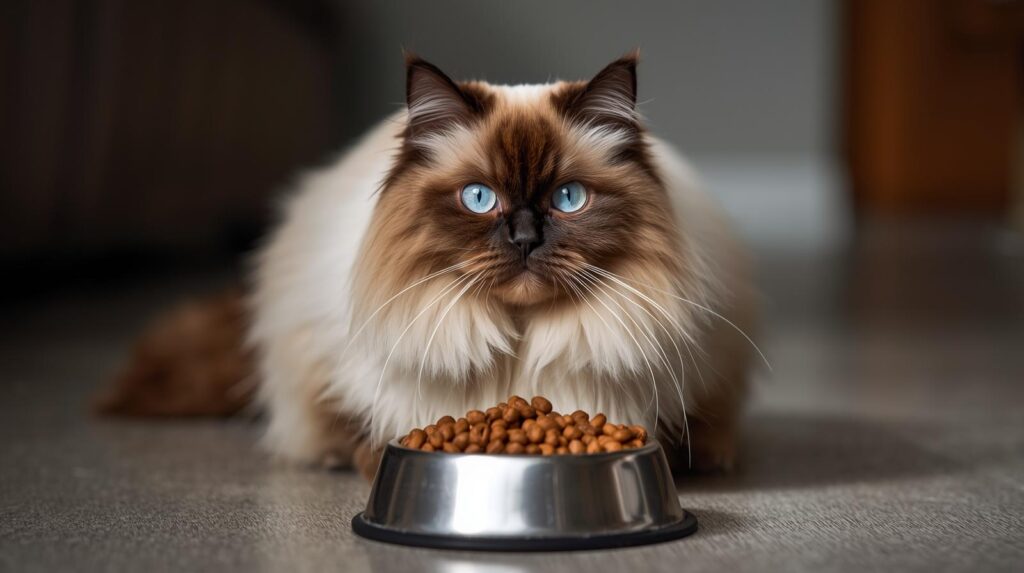
When I first brought home my Ragdoll kitten, Luna, I stood in the pet food aisle completely overwhelmed. With her striking blue eyes looking up at me, I knew I needed to make the right choice. After three years of research, veterinary consultations, and watching Luna thrive, I’ve learned that finding the best food for Ragdoll cats isn’t just about grabbing any premium brand it’s about understanding their unique nutritional blueprint.
The cat food market has grown significantly, with North America holding approximately 30% of the global market share in 2024, reflecting pet owners’ increasing focus on quality nutrition. But what makes the best food for Ragdoll cats different from other breeds? Let’s dive into this comprehensive guide.
Why Ragdoll Cats Need Specialized Nutrition
Ragdoll cats aren’t your average felines. These gentle giants possess unique characteristics that demand special dietary attention. Their muscular physique and sturdy skeletal structure require a high-protein diet, with nutritionists recommending over 50% animal proteins, about 20% fats, and no more than 3% carbohydrates.
Understanding why the best food for Ragdoll cats must be protein-focused starts with their biology. As obligate carnivores, their digestive systems are designed specifically for processing animal tissue. Ragdolls are prone to weight gain, making it crucial to choose food that’s lower in calories while providing all necessary nutrients.
Key Nutritional Requirements for Ragdolls
When selecting the best food for Ragdoll cats, focus on these essential components:
High-Quality Animal Protein: Popular, high-quality animal proteins appropriate for cats include chicken, turkey, lamb, beef, rabbit, and duck, providing all essential amino acids that cats need, such as taurine.
Healthy Fats: Quality fats should make up approximately 15-20% of their nutritional intake, with Omega-3 and Omega-6 fatty acids being important for maintaining that signature silky coat Ragdolls are famous for.
Minimal Carbohydrates: Cats have absolutely no nutritional need for carbohydrates, and high-carb cat foods containing fillers like wheat, rice, or corn can contribute to obesity, digestive issues, and even diabetes over time.
Adequate Hydration: Ragdolls need about 60 milliliters of water per kilogram of their body weight every day.
Wet Food vs. Dry Food: Making the Right Choice
The debate about the best food for Ragdoll cats often centers on wet versus dry food. Based on extensive research and expert recommendations, here’s what you need to know.
Why Wet Food Wins for Ragdolls
Ragdolls are prone to gastrointestinal and urinary tract issues like constipation, irritable bowel syndrome, bladder stones, cystitis, and chronic kidney disease all conditions aggravated by a dry food diet. Most canned products contain over 75% moisture content, naturally hydrating your cat’s system.
I personally switched Luna to a wet food diet after noticing she wasn’t drinking enough water. Within two months, her coat became noticeably shinier, and her energy levels improved dramatically.
The Truth About Dry Food
While convenient and budget-friendly, dry kibble presents challenges for the best food for Ragdoll cats approach. Dry food is highly processed and lacks moisture, and Ragdolls on kibble tend to eat more because they don’t get essential nutrients from their meals.
However, if budget constraints require dry food, choose grain-free, high-protein options and always supplement with water or broth.
Caloric Needs: How Much to Feed Your Ragdoll
Determining the right portion is critical when choosing the best food for Ragdoll cats. Ragdolls typically require about 20 calories per pound of body weight daily, though individual needs vary depending on age, activity level, and health conditions.
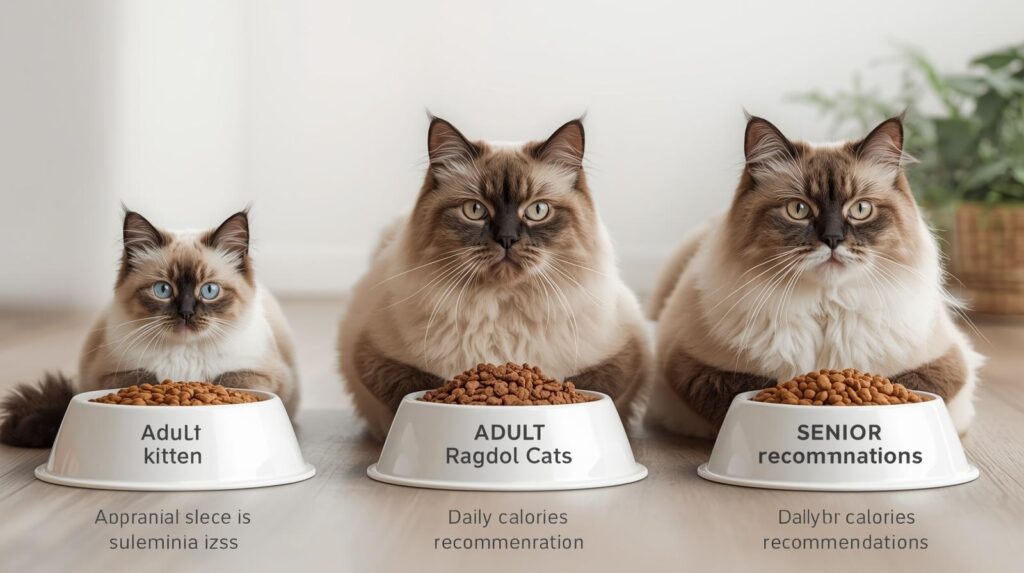
Ragdoll Feeding Chart by Life Stage
| Life Stage | Age Range | Daily Calories | Feeding Frequency | Special Considerations |
|---|---|---|---|---|
| Kitten | 2–12 months | 250–350 cal | 3–4 meals | High-protein growth formula required |
| Young Adult | 1–3 years | 280–320 cal | 2–3 meals | Monitor weight during extended growth |
| Adult | 3–7 years | 250–300 cal | 2 meals | Maintain muscle tone, watch for weight gain |
| Senior | 7+ years | 220–280 cal | 2 meals | Lower calorie, joint support supplements |
Ragdolls’ daily caloric needs vary according to their weight and life stage, with most Raggies needing about 40-42 calories per kilogram of their body weight every day for quality sustenance.
Essential Ingredients in the Best Food for Ragdoll Cats
When examining labels to find the best food for Ragdoll cats, prioritize these ingredients:
Proteins to Look For
The first ingredient should always be a named meat source. Look for “chicken,” “salmon,” or “turkey” rather than vague terms like “meat meal” or “poultry by-products.”
Beneficial Additions
Cat food containing L-carnitine can be great for Ragdolls as this amino acid is proven to increase metabolism in cats. Additionally, look for food with added ingredients for joint support such as glucosamine, especially important for larger breeds.
Ingredients to Avoid
When searching for the best food for Ragdoll cats, eliminate products containing:
- Corn, wheat, and soy fillers
- Artificial colors and preservatives
- Meat by-products
- Excessive carbohydrates
- High mercury fish (frequent tuna)
Fish in cat food, especially tuna and salmon, has high mercury content, and cats that consume fish regularly can accumulate mercury in their systems, which can lead to toxicity over time.
Top Feeding Strategies for Optimal Health
Finding the best food for Ragdoll cats involves more than just product selection it’s about implementation strategy.
Scheduled Feeding vs Free Feeding
Free-feeding is not recommended as it can lead to obesity and prevent you from monitoring intake. I learned this lesson the hard way when Luna gained two pounds in three months on an unrestricted diet.
Implement scheduled mealtimes:
- Kittens: 3-4 small meals daily
- Adults: 2 consistent meals daily
- Seniors: 2 smaller, nutrient-dense meals
Food Rotation Benefits
Switching up your cat’s food is a good thing, as feeding the same thing day after day can cause allergies and prevents your cat from becoming a picky eater. Rotating proteins also provides various nutrients that may be present in some foods but not others.
Special Dietary Considerations for Ragdoll Health
The best food for Ragdoll cats must address breed-specific health concerns.
Managing Weight Issues
Most Raggies spend their time idly hanging out around their humans, hardly managing a jump or two throughout the day, making their leisurely lifestyle mean they have specific caloric needs. The breed’s sedentary nature requires careful portion control.
Supporting Joint Health
Ragdolls are predisposed to certain health conditions, including hypertrophic cardiomyopathy and polycystic kidney disease, both of which can be managed with proper nutrition. A diet low in sodium and phosphorus supports cats with these genetic predispositions.
Maintaining Coat Quality
The luxurious coat that defines Ragdolls requires specific nutrients. Omega fatty acids reduce inflammation, support brain function, and promote healthy skin. Without adequate essential fats, Ragdolls may develop dry, flaky skin and dull coats.
Raw Diet vs Commercial Food: What’s Best?
The debate continues about whether raw food constitutes the best food for Ragdoll cats.
Raw Diet Benefits
A raw food diet closely mirrors what a cat would naturally eat in the wild, consisting of raw meat, organs, and bone. This approach provides maximum bioavailability of nutrients.
Commercial Food Advantages
Quality commercial options offer convenience, safety, and balanced nutrition without the preparation time. The ASPCA Feline Nutrition Guidelines recommend combining 60% wet food with 40% dry for optimal urinary tract health.
For busy pet parents, premium wet food brands formulated for large breeds often provide the best food for Ragdoll cats without raw diet complexity.
Reading Cat Food Labels Like an Expert
Understanding labels is essential when selecting the best food for Ragdoll cats. Look for cat food that is labeled as “complete and balanced”, meeting AAFCO (Association of American Feed Control Officials) standards.
Guaranteed Analysis Interpretation
The guaranteed analysis shows minimum protein and fat percentages and maximum fiber and moisture. For the best food for Ragdoll cats, seek:
- Minimum 40% protein (dry matter basis)
- 15-20% fat
- Maximum 3% carbohydrates
- 75%+ moisture (wet food)
Common Feeding Mistakes to Avoid
Even with the best food for Ragdoll cats, improper feeding practices can undermine health goals.
Overfeeding: The Association for Pet Obesity Prevention shows that one extra pound on a cat is like 15 pounds on a human. This perspective emphasizes the importance of portion control.
Ignoring Water Intake: Even with wet food, ensure fresh water is always available. Cats are naturally poor drinkers, making hydration monitoring crucial.
Sudden Diet Changes: Transition gradually over 7-10 days to prevent digestive upset. Mix increasing amounts of new food with decreasing amounts of old food.
Treating as Rewards: While treats strengthen bonds, they shouldn’t exceed 10% of daily caloric intake. Choose high-protein, low-carb options.
Budget-Friendly Approaches to Quality Nutrition
The best food for Ragdoll cats doesn’t necessarily mean the most expensive. While wet food tends to be more expensive than kibble, the nutritional benefits often make it a more appealing choice.
Money-Saving Strategies
- Buy in bulk during sales
- Subscribe to auto-ship programs for discounts
- Consider mid-range brands meeting nutritional requirements
- Supplement affordable wet food with quality vitamins
- Join loyalty programs at pet specialty stores
Specialty stores account for approximately 33% of market share in 2024, often offering expert guidance and membership benefits.
The Connection Between Diet and Longevity
Choosing the best food for Ragdoll cats directly impacts lifespan and quality of life. Proper nutrition supports:
- Strong immune system function
- Healthy organ development and maintenance
- Optimal weight management
- Reduced disease risk
- Enhanced coat and skin health
- Better digestive function
- Improved dental health
Proper nutrition during the growth phase lays the foundation for a healthy adulthood, making early dietary choices particularly impactful.
For more comprehensive feline nutrition guidance, check out our Maine coon Guides covering similar large breed considerations.
Expert Recommendations and Final Thoughts
After years of research and personal experience, I’ve learned that the best food for Ragdoll cats combines high-quality animal proteins, appropriate fat levels, minimal carbohydrates, and adequate moisture. The global pet food market is projected to grow from $128.94 billion in 2025 to $179.48 billion by 2032, reflecting increasing consumer awareness about pet nutrition quality.
The best food for Ragdoll cats isn’t a one-size-fits-all solution. It requires understanding your individual cat’s needs, monitoring their response to different foods, and adjusting accordingly. Luna taught me that the glossiness of her coat, her energy levels, and her litter box habits all provide feedback about whether I’ve truly found the best food for Ragdoll cats in her case.
Remember, your veterinarian should always be your primary resource when making dietary decisions. Regular check-ups help ensure the food you’ve chosen, including options like AATU pet food, continues meeting your feline’s evolving needs.
Frequently Asked Questions
Can Ragdoll cats eat grain-free food exclusively?
Yes, grain-free diets are ideal for Ragdolls since cats have no nutritional requirement for grains. Focus on high-protein, low-carb formulas that list meat as the first ingredient.
How do I transition my Ragdoll to the best food for their needs?
Transition gradually over 7–10 days by mixing increasing amounts of new food with decreasing amounts of current food. This prevents digestive upset and allows their system to adjust. Monitor for any adverse reactions during the transition period.
Is wet food really necessary as the best food for Ragdoll cats?
While not absolutely mandatory, wet food is strongly recommended due to Ragdolls’ predisposition to urinary tract issues and their typically low water consumption. The high moisture content in wet food helps prevent kidney disease and urinary problems.
What’s the ideal protein percentage in the best food for Ragdoll cats?
Look for foods containing at least 40% protein on a dry matter basis, with animal-based proteins listed as the first ingredients. Since Ragdolls require substantial protein for their large muscular frames, higher percentages (50%+) are even better.
Should I be concerned about my Ragdoll becoming overweight on high-protein food?
Protein itself doesn’t cause weight gain excess calories do. High-protein, low-carb diets actually help maintain healthy weight since protein promotes satiety and supports lean muscle mass. The real concern is overfeeding or providing high-carbohydrate foods, so monitor portion sizes and daily caloric intake.