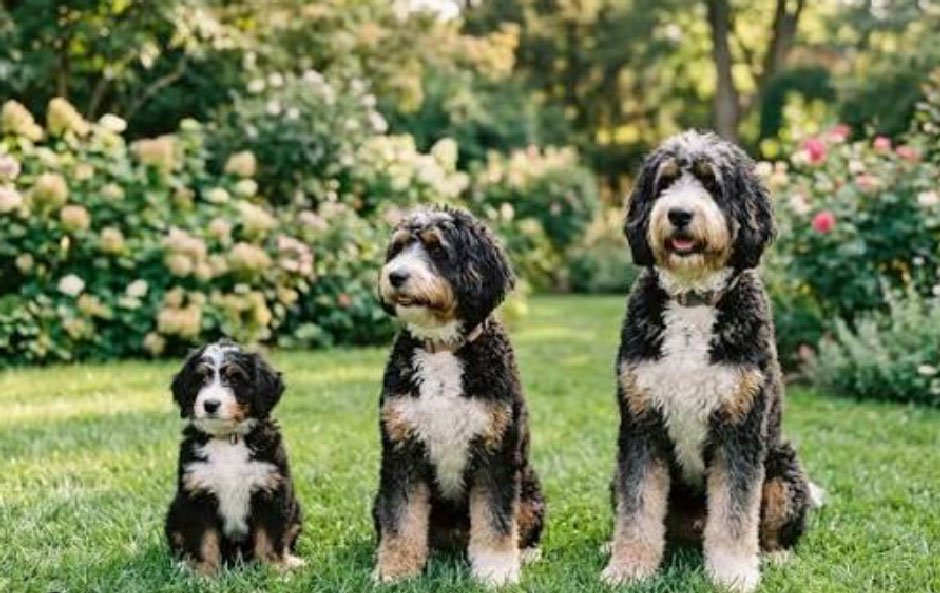
One of the first things people notice about Bernedoodles is their beautiful coats. Some have the familiar black, white, and rust markings of a Bernese Mountain Dog, while others sport chocolate, cream, or silver fur. If you are exploring different Bernedoodle varieties, you might wonder how puppies from the same litter can look so different. The answer comes down to genetics, with each parent passing down traits that help determine a puppy’s appearance. Understanding how coat colors work can make choosing a puppy a little easier, especially if you have a particular look in mind.
How Each Parent Contributes to Coat Color
A Bernedoodle’s coat is a mix of what it inherits from its mom and dad. Bernese Mountain Dogs are known for their black coats with tan and white markings, while Poodles come in all sorts of colors. Depending on the genes passed down by each parent, a puppy might inherit a familiar tri-color coat or end up with a completely different look. Those genes also affect where the colors appear and how much of each shade shows up.
Coat color isn’t as straightforward as simply looking at the parents and guessing what their puppies will look like. Several genes work together to determine the final color and pattern. A black Poodle bred with a tri-color Bernese Mountain Dog, for example, can have puppies with different coat patterns in the same litter. Breeders can get a rough idea of the possible outcomes by looking at the parents’ genetics, but surprises are still part of the process.
Why Some Bernedoodles Have Three Colors
The classic tri-color coat is one of the most recognizable Bernedoodle looks. These dogs usually have a black base, white markings on areas such as the chest and face, and tan patches above the eyes or around the legs. This pattern comes from inherited genes that influence both the production of dark pigment and the placement of lighter markings. The Bernese Mountain Dog parent is an important source of the traditional tri-color pattern.
Still, not every Bernedoodle inherits the same combination of genes needed to display those markings. Some puppies may have mostly black coats with small white patches, while others have more noticeable tan areas. White markings can also vary in size and location, even among littermates. If you love the classic tri-color look, ask the breeder about the parents’ colors and the coat patterns seen in previous litters.
Where Chocolate, Cream, and Other Colors Come From
Poodles come in many colors, including brown, apricot, cream, red, silver, and black. Depending on the genes carried by both parents, some of these colors may appear in their Bernedoodle puppies. Brown coats, for instance, are associated with genes that affect the type of dark pigment produced in the hair. Lighter shades can involve other pigment-related genes that change how much color is visible.
A puppy’s coat color depends on the genes it gets from both parents, so the colors you see on the mother and father don’t always tell the whole story. Two dark-coated dogs can carry genes for lighter shades that show up in their puppies. That’s why breeders sometimes get a surprise when a litter arrives. Genetic testing can offer clues about the colors puppies might inherit, but it can’t predict every detail of how their coats will look.
Can a Bernedoodle’s Coat Change With Age?
Yes, and this surprises plenty of new owners. Some Bernedoodles are born with dark coats that gradually become lighter as they mature. This is particularly relevant when a Poodle parent carries genes associated with progressive fading or silvering. A puppy that starts out nearly black may develop a softer charcoal shade over time.
Coat changes are not limited to dark colors, either. Some dogs develop subtle shifts in their brown, red, or cream tones as their adult coats come in. The following affects how a coat looks:
- grooming
- lighting
- seasonal changes
A small difference in appearance does not always mean its underlying color has changed. If the puppy’s future coat color matters to you, ask whether either parent has shown noticeable fading with age.
Does Generation Affect Coat Color?
A Bernedoodle’s generation can influence the range of coat colors a breeder may encounter, but it does not guarantee a particular shade or pattern. A multigenerational Bernedoodle comes from Bernedoodle parents or a breeding line involving multiple generations of these dogs. Because those dogs may carry different combinations of inherited traits, their puppies can display a broad mix of colors and markings.
Breeders may use information about a dog’s ancestry, the parents’ coats, and available genetic tests to estimate likely outcomes. Even with that information, predicting every puppy in a litter remains difficult. If color is important to you, be sure to do the following:
- ask for photographs of adult relatives
- check details about previous litters
- ask past clients about their experience (if possible)
This gives you a more realistic idea of what to expect than relying on a puppy’s coat alone.
Final Word
Bernedoodle coat colors are the result of genes passed down by both the Bernese Mountain Dog and Poodle parents. These inherited traits explain why puppies can have different shades and markings, even when they share the same mother and father. While learning about Bernedoodle varieties can help you understand the possibilities, no color chart can promise exactly how a puppy will look as an adult. Choose a healthy, well-raised puppy first, and treat its coat color as one of the many details that make it special.