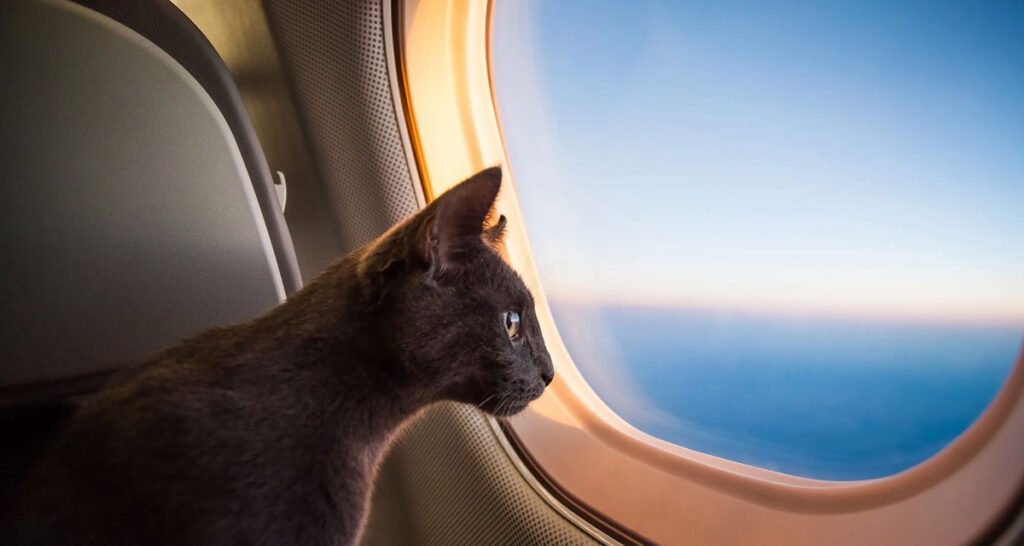
Leaving a change-sensitive Maine Coon while you take a major trip can feel like planning two journeys at once. Yours may involve flights and a carefully packed suitcase; your cat’s should involve as little novelty as possible. Maine Coons are sociable, intelligent cats that often build strong routines around their people. The best plan is therefore not to make your absence exciting, but to make home life predictable, safe, and familiar from the first sitter visit to the moment you return.
Keep normal life normal
Start preparing early, but resist the temptation to “improve” everything before you go. This is not the week for a new food, a different litter, a relocated cat tree, or a dramatic grooming session. Keep meals, play, brushing, bedtime, and litter-box cleaning as close to their usual times as possible.
If your departure will alter a routine that depends entirely on you, let the sitter take over that task during a few practice visits. Watch for small signs that your cat is not coping, including hiding more than usual, eating less, over-grooming, increased vocalising, or toileting outside the box. These can overlap with the warning signs covered in our guide to Maine Coon behaviour problems.
Remember that a sudden or persistent change deserves veterinary advice rather than an assumption that your cat is simply sulking.
Choose the sitter way ahead of time
For a nervous cat, staying at home is usually less disruptive than moving into an unfamiliar setting. Cats Protection describes home care as the safest and least unsettling option for many cats and recommends at least two daily visits, with kittens, older cats, and those with health conditions potentially requiring more frequent care. Arrange an in-home introduction well before you leave. Ask the sitter to sit quietly, speak normally, and let your Maine Coon decide whether to approach; being large and sociable doesn’t mean they want contact on demand. A short trial visit can test keys, feeding, litter care, medication routines, and your cat’s reaction without turning the day into an event.
This is worth arranging as soon as you start booking a holiday for 2027, not the night before departure. Choose someone who notices what is normal for your cat, follows instructions precisely, and knows when to call for help.
Prepare their territory
Your cat doesn’t need a pile of unfamiliar gadgets to compensate for your absence. Leave the home recognisably theirs instead. Maine Coons need equipment that suits their size, so check that tall furniture is stable and that litter boxes, carriers, and resting spots are roomy enough. Provide fresh water in the usual locations, enough food and litter to cover possible delays, and safe toys the sitter can use during supervised play. Put string toys away between visits. Puzzle feeders can help, but only use one your cat already understands. Our guide to safe enrichment for cats explains why controlled activity works best when it respects the individual cat’s signals. Keep external doors and cat-flap arrangements consistent, remove household hazards, and avoid major cleaning that strips familiar scent from every resting area just before you leave.
Remove all of the guesswork
Write one clear care sheet instead of sending scattered messages from the airport. Include exact meal times and portions, water and litter routines, medications exactly as prescribed, favourite hiding places, normal play habits, known triggers, and any rooms that must stay closed. Add your regular vet, an out-of-hours clinic, your travel contact details, a nearby backup person, insurance information if relevant, and the carrier’s location. Explain what “normal” looks like: how much your cat usually eats, where they sleep, how often they use the litter box, and whether they typically greet visitors or vanish upstairs.
Veterinary Emergency Group also recommends a meet-and-greet, a trial run, familiar comfort items, and accessible emergency information. Agree on a simple daily update covering eating, drinking, toileting, medication, and behaviour. Photos are reassuring, but an honest note that your cat has skipped dinner is more useful than a perfect portrait. Leave clear permission and a practical plan for veterinary care if you cannot be reached.
A successful trip doesn’t require your Maine Coon to love change, but it does require you to reduce the amount they must handle at once. Good preparation is quiet, and for a cat who dislikes surprises, quiet is exactly the point.