Anyone who has lived with a dog knows they have a remarkable talent for doing things that leave us laughing, confused, or occasionally embarrassed. One moment they’re sprinting through the house after an imaginary opponent, and the next they’re tilting their head as if they’re carefully judging every word you say. While many of these antics seem random, most have fascinating scientific explanations rooted in evolution, communication, instinct, and learning. Understanding why dogs behave the way they do not only makes their quirks more entertaining but also helps owners build stronger relationships with their four-legged companions.
Even The Strangest Behaviors Have A Purpose
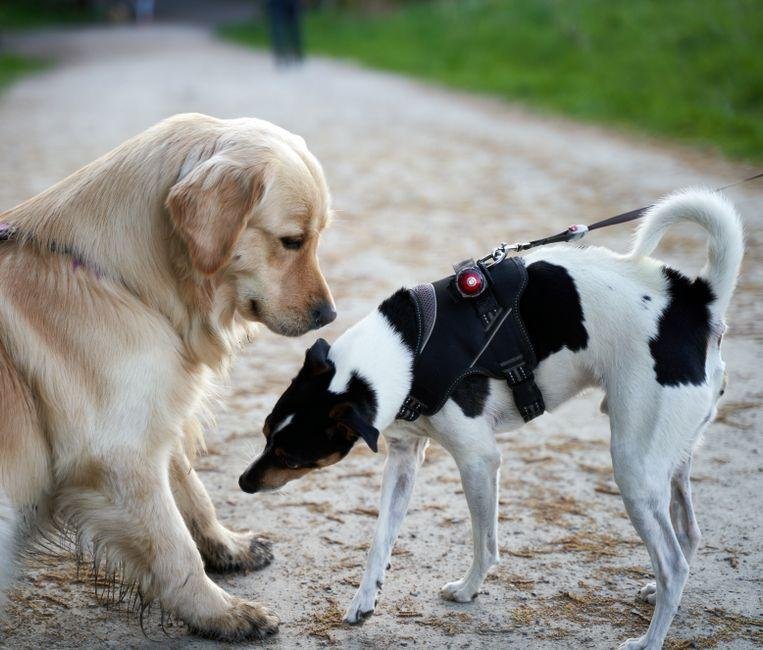
Some of the habits that make dog owners laugh the hardest are actually sophisticated forms of communication. One of the most common questions veterinarians hear is why dogs sniff butts, and the answer comes down to the incredible power of a dog’s sense of smell. Dogs gather information through scent in much the same way humans rely on sight. Veterinary resources explain that scent glands near a dog’s rear produce unique chemical signals that allow other dogs to identify age, health, sex, emotional state, and even familiarity during a brief greeting. What appears awkward to people is actually an efficient and instinctive method of canine communication.
Understanding these natural behaviors helps owners recognize the difference between normal instincts and behaviors that may require professional attention.
The Zoomies Are More Than Random Bursts Of Energy
Almost every dog owner has witnessed the famous “zoomies.”
One minute a dog is resting peacefully. The next, it is racing around the yard or living room at astonishing speed.
Scientists refer to these episodes as Frenetic Random Activity Periods, or FRAPs. They often occur after baths, extended periods of rest, exciting play sessions, or moments of emotional release.
The sudden bursts of activity help dogs release accumulated energy while expressing excitement.
Young dogs tend to experience zoomies more frequently because they naturally have higher energy levels.
Although the behavior may look chaotic, it is usually perfectly normal as long as the environment remains safe and the dog shows no signs of discomfort.
Sometimes running laps is simply a dog’s favorite way of celebrating life.
Head Tilts Help Dogs Process Information
Few canine behaviors appear more charming than the classic head tilt.
Researchers believe several factors contribute to this adorable habit.
Dogs often tilt their heads to better locate the direction of unfamiliar sounds. Changing the angle of the head may also improve their ability to interpret vocal tones, especially when owners are speaking directly to them.
Another possibility involves vision.
For dogs with longer snouts, tilting the head may improve visibility by allowing them to see facial expressions more clearly.
Some dogs also learn that head tilting earns positive attention from their owners.
Whether instinctive or learned, the behavior reflects curiosity and engagement rather than confusion.
Your dog may simply be paying closer attention than you realize.
Digging Comes Naturally
Many homeowners become frustrated when carefully maintained gardens suddenly develop mysterious holes.
Digging, however, is deeply rooted in canine instincts.
Wild ancestors dug dens for shelter, buried food for later, and searched underground for prey. Modern dogs still retain many of these natural tendencies despite living comfortable domestic lives.
Some dogs dig to cool themselves during hot weather by exposing cooler soil beneath the surface.
Others dig because they are bored, anxious, or attempting to entertain themselves.
Providing regular exercise, mental stimulation, and designated digging areas may reduce unwanted excavation while allowing dogs to express normal behaviors appropriately.
Instinct doesn’t disappear simply because a dog lives indoors.
Tail Wagging Is More Complex Than Happiness
Many people assume a wagging tail always signals happiness.
The reality is much more nuanced.
Dogs use tail position, speed, and movement to communicate a wide range of emotions.
A relaxed wag often reflects friendliness or excitement. A slow, stiff wag may indicate uncertainty or caution. Rapid, energetic wagging frequently accompanies joyful greetings, while a high, rigid tail may signal alertness or increased arousal.
Body language provides additional context.
Ear position, posture, facial expression, and overall movement all contribute to understanding what a dog is communicating.
Learning to observe the complete picture helps owners interpret canine emotions more accurately than relying on tail movement alone.
Sleeping Positions Reveal Comfort Levels
Dogs seem capable of sleeping almost anywhere.
Curled tightly into a ball, stretched across the floor, upside down with paws in the air—every position tells a small story.
Curling conserves body heat while protecting vulnerable organs, reflecting instincts inherited from wild ancestors.
Stretching out fully often indicates relaxation and confidence because the dog feels safe enough to expose vulnerable areas.
Sleeping on the back with the stomach exposed generally reflects complete trust within the environment.
While individual preferences vary, comfortable sleeping positions often provide clues about a dog’s emotional security and physical comfort.
Peaceful sleep supports both physical recovery and healthy behavior during waking hours.
Play Is Serious Business For Dogs
Play serves purposes far beyond entertainment.
It teaches social skills, strengthens muscles, improves coordination, and provides valuable mental stimulation.
Puppies learn bite inhibition, communication, and appropriate interaction through play with littermates and other dogs. Adult dogs continue benefiting from games that encourage problem-solving and physical activity.
Interactive toys, training exercises, scent games, and fetch all stimulate different parts of the brain.
Regular play also helps reduce boredom that might otherwise contribute to unwanted behaviors such as excessive barking or destructive chewing.
For dogs, play is both enjoyable and educational.
Healthy minds require stimulation just as healthy bodies require exercise.
Understanding Behavior Strengthens The Human-Dog Bond
The behaviors that make dogs endlessly entertaining are rarely random.
Each quirky habit—from sniffing greetings and energetic zoomies to digging, tail wagging, and dramatic sleeping positions—reflects instincts that have developed through thousands of years of evolution and close relationships with humans.
Learning the science behind these actions helps owners respond with greater patience, confidence, and understanding. Instead of viewing unusual behaviors as problems, many become opportunities to appreciate the remarkable ways dogs communicate and interact with the world around them.
Every dog has its own unique personality, but the instincts shared across the species connect modern pets with their ancient ancestors. By recognizing the purpose behind these funny antics, owners can better meet their dogs’ physical and emotional needs while strengthening the bond they share. Sometimes the behaviors that make us laugh the most are also the ones that remind us just how intelligent, adaptable, and fascinating our canine companions truly are.