
Introduction
Companion animals have long played an important role in promoting emotional well-being, reducing feelings of loneliness, and encouraging healthier lifestyles. For individuals associated with independent living communities, pets can provide daily companionship, a sense of routine, and meaningful opportunities for social interaction. Many older adults find that caring for an animal gives them a renewed sense of purpose while also bringing joy and comfort to everyday life.
The best companion animals for independent living environments are typically those that match a person’s lifestyle, physical abilities, and preferences. Whether it’s a loyal dog, an affectionate cat, or a low-maintenance pet, the right animal can make a significant positive impact on mental, emotional, and even physical health.
Dogs Promote Activity and Social Engagement
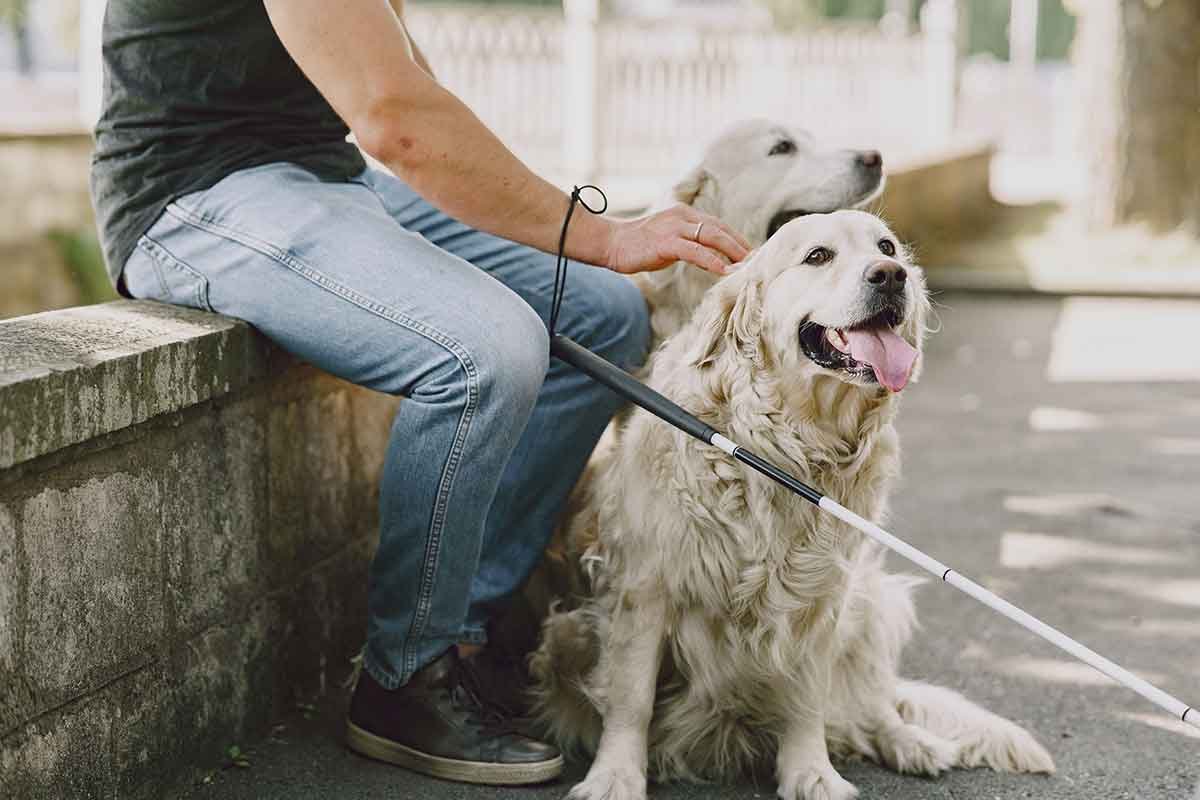
Dogs are often considered one of the most rewarding companions for older adults. Their loyalty, affection, and eagerness to interact make them wonderful additions to many independent living households. Beyond companionship, dogs encourage regular physical activity through walks, playtime, and outdoor exploration.
Routine walks can help individuals maintain mobility, improve cardiovascular health, and establish a consistent daily schedule. Dogs also create opportunities for social interaction. Conversations often begin naturally during walks, visits to parks, or participation in pet-friendly community events.
Not every dog breed is suitable for every individual. Smaller breeds or dogs known for gentle temperaments are often ideal for seniors seeking companionship without the demands of managing a highly energetic pet. Matching the dog’s activity level with the owner’s capabilities is an important factor in creating a successful and enjoyable relationship.
Cats Offer Comfort With Minimal Maintenance
For individuals seeking a more independent companion, cats are often an excellent choice. Cats typically require less daily maintenance than dogs while still providing affection and emotional support. Many cats enjoy spending time near their owners, offering companionship without requiring constant attention.
Cats are particularly suitable for individuals who may have mobility limitations or who prefer spending more time indoors. Their self-sufficient nature allows owners to enjoy the benefits of pet ownership without the need for frequent walks or outdoor activities.
Studies and personal experiences alike have shown that interacting with cats can help reduce stress and promote relaxation. The simple act of petting a cat or listening to its purring can create a calming environment that contributes to emotional well-being. For many residents in independent living settings, a cat can provide the perfect balance of companionship and manageable responsibility.
Birds Bring Entertainment and Mental Stimulation
Birds are another popular option for older adults seeking companionship. Species such as parakeets, cockatiels, and canaries can form strong bonds with their owners while providing daily entertainment through their personalities, songs, and interactions.
Bird ownership often encourages mental engagement and routine. Caring for a bird involves feeding, cleaning, and observing behavioral patterns, all of which can help keep the mind active. Some bird species can even learn words and simple phrases, creating enjoyable opportunities for interaction.
For those participating in active independent Living in Joplin, MO, birds may be especially appealing because they require relatively little living space while still offering companionship and stimulation. Their colorful appearance and lively behavior can brighten a room and provide endless enjoyment throughout the day.
Small Animals Can Be Ideal for Certain Lifestyles
Rabbits, guinea pigs, and other small domesticated animals can also make wonderful companions. These animals are often gentle, friendly, and capable of forming strong bonds with their caregivers. Many people appreciate their manageable size and relatively straightforward care requirements.
Rabbits, in particular, are known for their affectionate personalities and ability to interact closely with their owners. Guinea pigs are social animals that often respond positively to attention and handling. These pets can be especially suitable for individuals who want the companionship of an animal without the greater responsibilities associated with larger pets.
Before choosing a small animal, it is important to understand its care requirements, housing needs, and life expectancy. A thoughtful selection process helps ensure both the pet and owner enjoy a positive and rewarding experience together.
Choosing the Right Pet for Long-Term Success
While many domesticated animals can provide companionship, the best choice depends on individual circumstances. Factors such as physical mobility, energy level, financial considerations, living space, and personal interests should all be considered before bringing a pet into the home.
Older adults should think carefully about the level of care a particular animal requires. A pet should enhance daily life rather than create unnecessary stress or difficulty. Family members, healthcare providers, and independent living staff can often provide valuable guidance when evaluating options.
In some cases, adopting an older animal may be beneficial. Mature pets are often calmer, already trained, and more predictable in behavior than younger animals. This can create a smoother transition and a more comfortable experience for both the owner and the pet.
Conclusion
Companion animals can enrich the lives of individuals associated with independent living by providing friendship, emotional support, and opportunities for engagement. Dogs encourage activity and socialization, cats offer comfort and independence, birds provide entertainment and stimulation, and small animals can deliver companionship in a manageable package.
The ideal pet ultimately depends on an individual’s lifestyle, abilities, and personal preferences. When carefully selected, a companion animal can become a valued friend that contributes to happiness, routine, and overall quality of life for years to come.