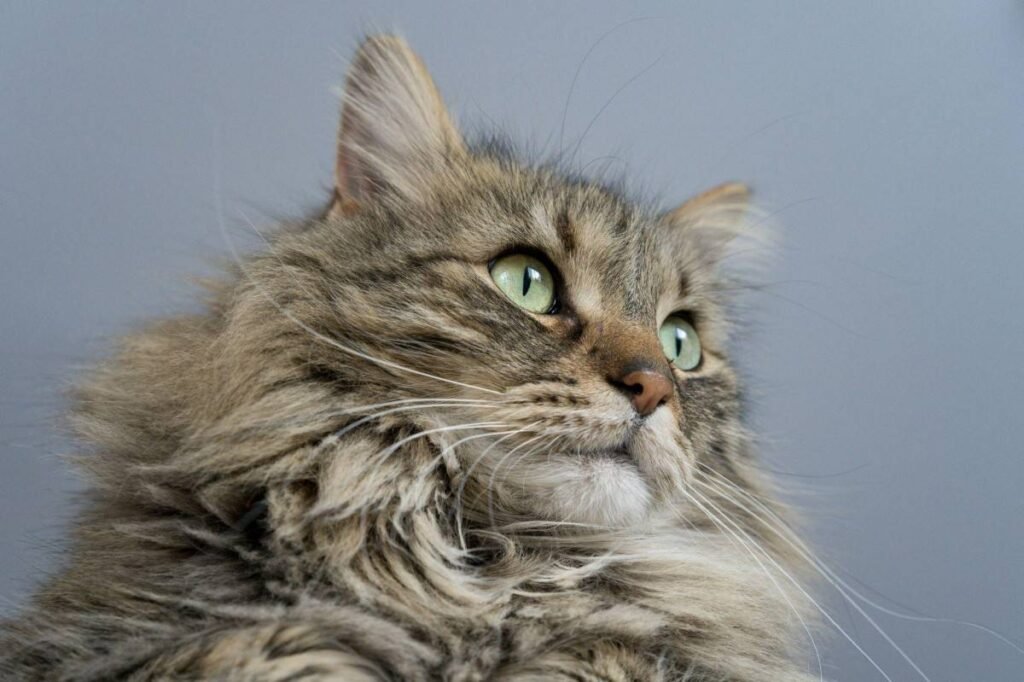
Maine Coons are known for their playful personalities, impressive size, and athletic abilities. They often remain active well into adulthood, climbing cat trees, leaping onto furniture, and eagerly following their owners around the house. As these gentle giants grow older, however, many owners begin noticing subtle changes. A favorite windowsill is visited less often, climbing becomes more cautious, or a cat seems less enthusiastic about chasing toys. While some slowing down is a natural part of aging, it is not always easy to determine whether those changes simply reflect growing older or signal an underlying issue such as arthritis.
Feline arthritis is more common than many people realize, particularly in senior cats. Because cats instinctively hide discomfort, the signs can be remarkably subtle. Understanding what constitutes normal aging, recognizing behaviors that deserve closer attention, and making thoughtful adjustments at home can help owners support an older Maine Coon’s comfort and quality of life. The goal is not to restore kitten-like energy but to make everyday movement easier and more enjoyable.
Normal Aging and Arthritis Are Not the Same Thing
A senior Maine Coon will naturally sleep more than it did as a young adult. Energy levels often decrease gradually, and recovery after energetic play may take longer. These changes alone do not necessarily indicate joint disease.
Arthritis, however, tends to produce more specific behavioral changes. A cat may hesitate before jumping, choose lower resting places, struggle to use stairs, or groom less thoroughly because twisting the body has become uncomfortable. Owners may also notice subtle personality changes, including increased irritability when touched around the hips or back. These signs usually develop gradually, making them easy to overlook until mobility has noticeably declined.
Veterinary evaluation is important because several conditions, including spinal problems, muscle injuries, and neurological disorders, can resemble arthritis. An accurate diagnosis allows treatment plans to address the actual cause of reduced mobility rather than assuming that every older cat simply has “old age.”
Small Home Changes Can Make Daily Movement Easier
Environmental adjustments often have a significant impact on cats with reduced mobility. Providing sturdy ramps, lower resting platforms, wider scratching posts, and litter boxes with lower entrances allows arthritic cats to continue many familiar activities without placing unnecessary strain on their joints.
Mobility support products available from Walkin Pets demonstrate how adaptive equipment can help animals experiencing mobility challenges caused by aging, injury, or certain medical conditions. While every cat’s needs differ and any assistive device should be introduced with veterinary guidance, thoughtful environmental modifications can help maintain independence while reducing unnecessary physical effort.
Comfort also extends beyond mobility aids. Thick orthopedic bedding, non-slip rugs on smooth flooring, and easy access to food and water can all reduce daily strain and encourage older cats to remain active within their comfort level.
Weight Management and Gentle Activity Matter
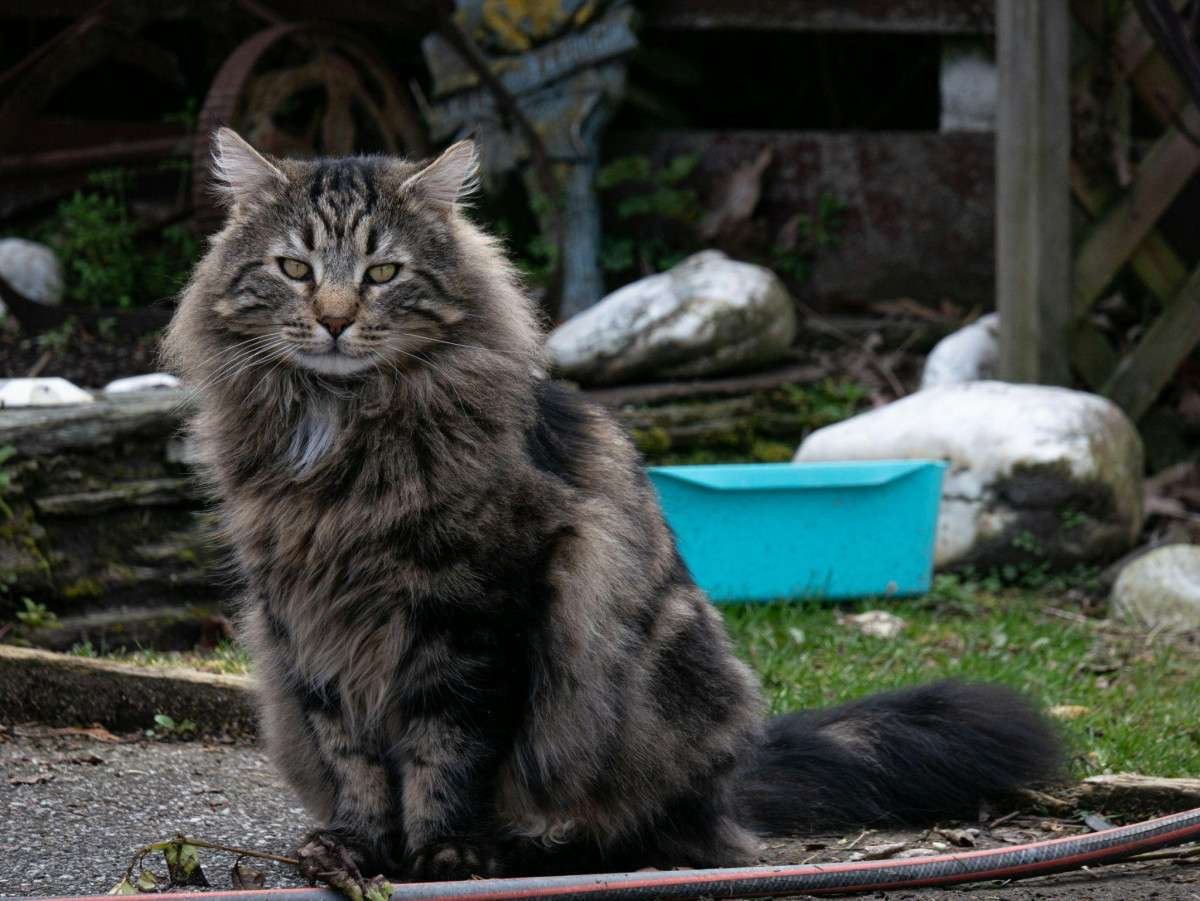
Body weight plays an important role in joint health. Excess weight increases the load placed on joints during ordinary movements such as walking, climbing, and jumping. Maintaining an appropriate body condition through balanced nutrition can therefore become an important part of long-term joint care.
Exercise should not disappear simply because a cat develops arthritis. Instead, activity may need to become shorter and less demanding. Interactive toys that encourage slow movement, puzzle feeders that promote exploration, and multiple brief play sessions throughout the day often provide better results than encouraging vigorous bursts of activity. Gentle movement helps maintain muscle mass, which supports joints and contributes to overall mobility.
Routine veterinary checkups remain equally important, as nutritional needs and activity levels often change throughout the senior years.
Keeping the Home Safe Benefits Everyone
Senior cats frequently become more cautious when navigating slippery surfaces or unfamiliar obstacles. Improving traction throughout the home reduces the risk of slips while making movement less physically demanding.
Interestingly, many of the same principles that improve mobility for pets also improve household safety in general. Keeping floors clean and free of residue helps create secure walking surfaces, and guidance explaining floor scrubber machine directions emphasizes proper operation, maintenance, and cleaning techniques that contribute to consistently safe flooring in larger indoor environments. Although most households rely on different cleaning equipment, the underlying principle remains the same: clean, dry floors help reduce unnecessary slipping for both people and pets.
Paying attention to everyday hazards such as loose rugs, cluttered walkways, or unstable furniture can further improve accessibility for aging cats that have become less confident in their movements.
Supporting Quality of Life Through Early Recognition
One of the greatest challenges with feline arthritis is that cats rarely communicate discomfort in obvious ways. Owners often attribute reduced activity entirely to aging when, in reality, manageable joint pain may be limiting normal behavior. Learning to recognize subtle changes in jumping ability, grooming habits, mobility, and social interaction makes earlier conversations with a veterinarian possible.
Successful arthritis management rarely depends on a single solution. Instead, it typically combines veterinary care, appropriate weight management, environmental adjustments, comfortable resting areas, and realistic expectations about changing activity levels. For Maine Coon owners, paying close attention to these gradual changes allows them to respond before reduced mobility significantly affects their cat’s daily routine.
Growing older does not automatically mean giving up an active, fulfilling life. With thoughtful care and timely support, many senior Maine Coons continue enjoying play, exploration, and companionship for years while adapting comfortably to the natural changes that accompany aging.