How to Take Better Photos of Your Pets at Home

Introduction
Pets are some of the most photographed subjects in the world, and for good reason. Whether it is a playful puppy, a curious cat, or a relaxed rabbit, pets have unique personalities that owners love to capture. However, taking great pet photos at home can sometimes be challenging. Animals rarely sit still, lighting conditions are not always ideal, and many photos fail to capture the charm that makes pets so special in real life.
Fortunately, you do not need professional equipment to improve your pet photography. By focusing on lighting, timing, composition, and a few simple techniques, you can create photos that look more polished and memorable.
Understand Your Pet’s Personality
The best pet photos often reflect personality rather than perfection. Before reaching for your camera, spend a little time observing your pet’s habits and behaviors.
Some pets are energetic and playful, while others are calm and affectionate. Understanding these traits helps you anticipate moments worth capturing.
For example, a dog that loves chasing toys may provide excellent action shots, while a relaxed cat might look best lounging near a sunny window. The goal is to photograph your pet in situations that feel natural and authentic.
Use Natural Light Whenever Possible
Lighting can dramatically affect the quality of a photo. Natural light is usually the most flattering option because it creates soft shadows and realistic colors.
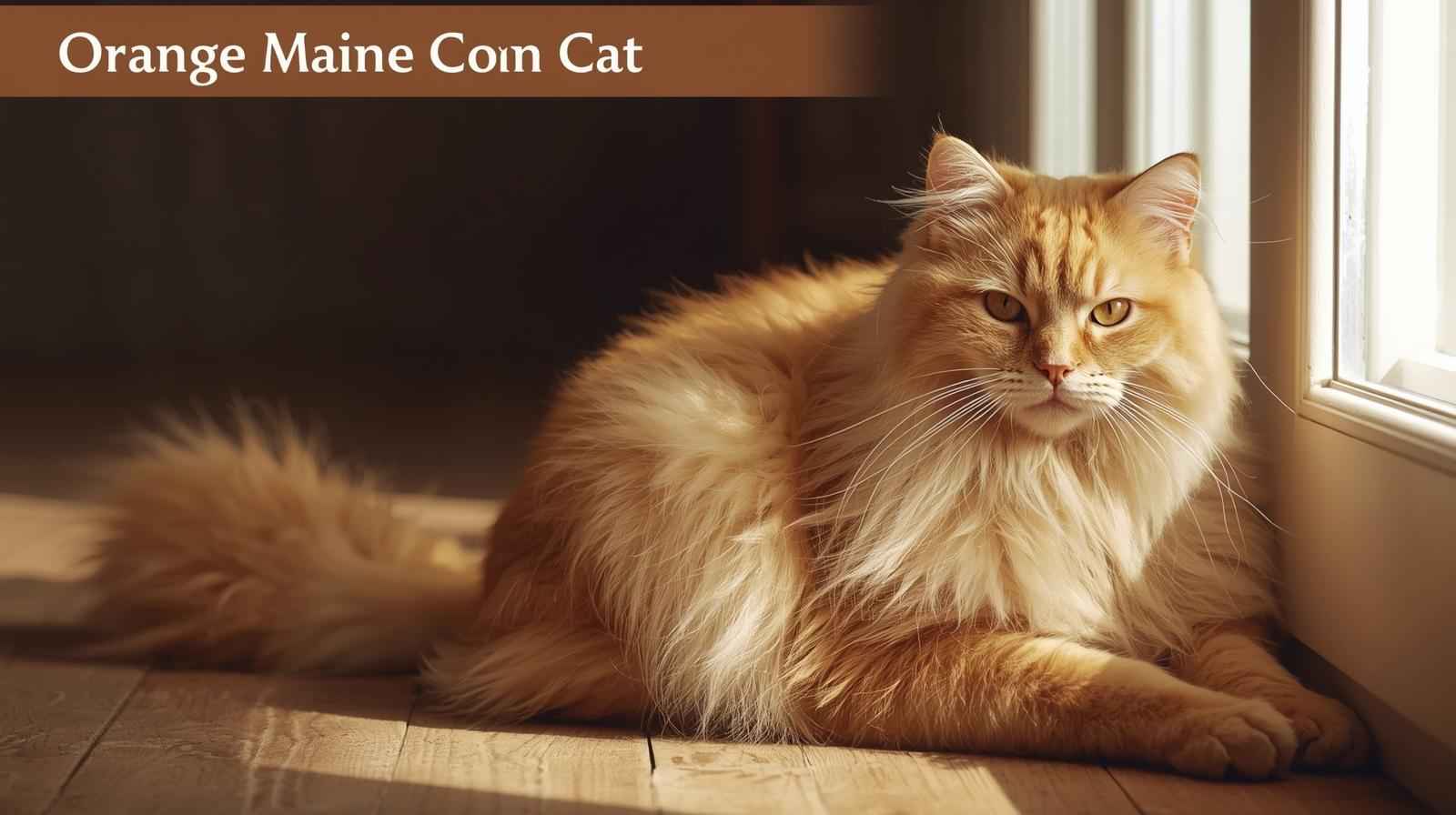
Try photographing your pet near a large window or in a well-lit room during the daytime. Avoid using direct camera flash whenever possible, as it can create harsh lighting and cause uncomfortable reactions from pets.
Simple lighting tips
- Position your pet near a window
- Shoot during the morning or late afternoon
- Avoid strong overhead lighting
- Use light-colored walls to reflect natural light
- Turn off unnecessary indoor lights that may create color casts
Good lighting helps reveal details in fur, eyes, and facial expressions.
Get Down to Your Pet’s Eye Level
One of the easiest ways to improve pet photos is to change your perspective. Many people photograph pets while standing, which often creates distant and less engaging images.
Instead, crouch down and position the camera at your pet’s eye level. This approach creates a stronger connection between the viewer and the animal.
Eye-level photos also help capture facial expressions more effectively, making the image feel more personal and professional.
Keep Backgrounds Simple
A cluttered background can distract attention from your pet. Since animals are naturally expressive subjects, it is usually best to keep the environment simple.
Look for clean spaces within your home where unnecessary objects can be removed from the frame. Blank walls, tidy furniture, or soft blankets often work well as backgrounds.
A simple setting allows your pet to remain the clear focus of the image.
Capture Natural Moments
Some of the best pet photos happen when animals are not paying attention to the camera. Instead of constantly posing your pet, try documenting everyday activities.
You might photograph your dog waiting for a treat, your cat stretching after a nap, or your pet playing with a favorite toy. These genuine moments often create more compelling images than forced poses.
Great moments to photograph
- Playing with toys
- Resting comfortably
- Looking out a window
- Exploring new objects
- Interacting with family members
Natural behaviors help tell a story and reveal your pet’s unique character.
Use Treats and Toys Strategically
Keeping a pet’s attention can be difficult, especially when using a camera. Treats and favorite toys can be valuable tools for directing their focus.
Hold a toy near the camera lens to encourage eye contact. You can also use treats to reward cooperation and create positive associations with photo sessions.
Be patient and avoid trying to rush the process. Short sessions are often more effective than long ones because pets can become distracted or tired.
Focus on the Eyes
In pet photography, the eyes are usually the most important part of the image. Sharp, clear eyes help create emotional connection and make photos feel more engaging.
When possible, focus directly on your pet’s eyes rather than other parts of the body. Even if the background appears slightly blurred, sharp eyes can make the entire image look more professional.
This technique is especially effective for close-up portraits.
Enhance Photos Without Overediting
Editing can improve pet photos, but subtle adjustments are usually best. Small improvements to brightness, contrast, and color balance can help bring out details without making the image look unnatural.
If you want to improve clarity and overall quality, you can use a tool to enhance your image while preserving the natural appearance of your pet.
The goal should always be to highlight your pet’s real features rather than dramatically altering them.
Practice Patience and Take Many Photos
Unlike human subjects, pets do not follow directions consistently. This means that taking multiple photos is often necessary to capture the perfect moment.
Professional photographers frequently take dozens of images before finding the best one. Do not be discouraged if many shots do not turn out exactly as planned.
Patience, observation, and repetition are often the keys to success.
Conclusion
Taking better photos of your pets at home does not require expensive equipment or advanced skills. By using natural light, simplifying backgrounds, focusing on your pet’s personality, and capturing authentic moments, you can create images that truly showcase what makes your pet special. With a little patience and practice, your everyday snapshots can become beautiful memories that you will enjoy for years to come.