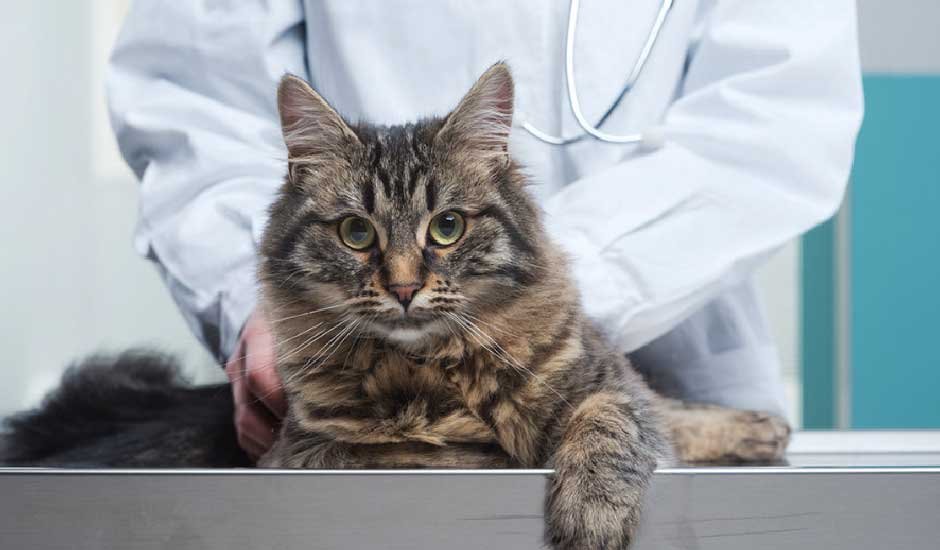
The short answer is no — at least not with a standard accident-and-illness policy. Every major pet insurer classifies spaying and neutering as an elective surgery, which triggers the industry’s blanket exclusion for non-medical procedures. If you bought a basic plan expecting reimbursement for the $200–$800 surgery, you’re going to pay that bill entirely out of pocket.
What many new pet owners don’t realize is that coverage exists, just under a different name. A wellness rider or preventive care add-on is the only way to get spay/neuter costs reimbursed. These add-ons function more like a prepaid discount card than traditional insurance: you pay a monthly premium in exchange for a fixed annual allowance toward routine care. The catch? You usually cannot add the rider right before surgery — waiting periods of 14 to 30 days are standard.
This article walks through the decision matrix between standalone wellness plans and bundled accident-plus-wellness policies, decodes the exact policy language that trips up first-time buyers, and provides a step-by-step verification checklist to use before your pet goes under anesthesia. We also cover regional variations, including state-level mandatory spay/neuter laws and local voucher programs that can substitute for insurance entirely.
Why Standard Pet Insurance Excludes Spaying and Neutering
Standard accident-and-illness pet insurance policies do not cover spaying or neutering because insurers classify the procedure as both an elective surgery and a preventive care service, two categories explicitly excluded from core coverage. This leaves many owners with an unexpected bill.
The “Elective Surgery” Exclusion — What it means for your policy
Every standard policy contains an elective surgery exclusion. Insurers define “elective” as any procedure that is not medically necessary to treat an illness, injury, or life-threatening condition. Spaying and neutering fall squarely into this bucket. The surgery is scheduled, predictable, and chosen by the owner — not triggered by an accident or disease.
What many first-time pet owners don’t realize: the same exclusion applies to tail docking, ear cropping, declawing, and even some dental cleanings. If you can plan it in advance, standard insurance won’t pay for it. The North American Pet Health Insurance Association (NAPHIA) reports that roughly 85% of claims processed by major insurers fall under accident-and-illness coverage, which explicitly excludes elective procedures (NAPHIA, 2024 State of the Industry Report).
A common mistake is assuming that because spay/neuter is recommended by every veterinarian, it qualifies as “medically necessary” under the policy. It doesn’t. Insurers draw a hard line: necessary for life versus necessary for population control or behavioral management. On paper this sounds simple, but in practice it means the $300–$800 surgery comes entirely out of your pocket unless you’ve purchased a separate add-on.
“Pre-Existing Condition” Clarity — Why spay/neuter is never pre-existing unless complications arise
Here is where things get tricky. Spaying and neutering themselves are never considered pre-existing conditions. You cannot have a “history” of a surgery you haven’t had yet. However, complications from the procedure can be treated as pre-existing if they appear before your policy’s waiting period ends.
Consider this scenario: You adopt an unspayed female cat, buy a standard accident-and-illness policy, and schedule her spay for three weeks later. During surgery, the veterinarian discovers a uterine infection (pyometra) that requires additional treatment. If your policy’s waiting period for illness coverage is 14 days and the surgery happens on day 21, the pyometra treatment may be denied as a pre-existing condition, because the infection existed before coverage took effect, even if it was undiagnosed.
The elective surgery exclusion also means that any complication directly arising from the spay or neuter (infection, suture rupture, adverse reaction to anesthesia) is typically excluded as well, since the root cause was an elective procedure. Insurers are explicit about this in their fine print. A 2023 analysis by the Consumer Federation of America found that 92% of standard pet insurance policies contain language excluding “treatment arising from elective procedures,” regardless of whether the complication is acute or life-threatening.
The practical takeaway: spay/neuter is never a pre-existing condition before surgery, but complications can become a coverage nightmare if you haven’t read the full exclusion section. Always ask your insurer directly: “If my pet has a complication from a planned spay, is that covered under my accident-and-illness plan?” The answer is almost always no, unless you’ve added a wellness rider or preventive care add-on that explicitly includes post-surgical complication coverage.
Wellness Plans vs. Bundled Policies: Which Covers Spay/Neuter?
Standard accident-and-illness pet insurance won’t pay a dime for spaying or neutering. The procedure falls under the elective surgery exclusion in nearly every base policy. To get coverage, you need either a standalone wellness plan or a bundled accident+illness policy with a wellness rider (also called a preventive care add-on). The two options differ in cost, flexibility, and how much they reimburse.
Standalone Wellness Plans , How They Work
A standalone wellness plan is a separate product from your main insurance policy. You pay a monthly premium, typically $15 to $40 per month, depending on your pet’s age, breed, and location, and the plan reimburses you for routine care like vaccinations, annual exams, and spay/neuter surgery.
Most standalone plans set a fixed annual limit for spaying or neutering. Expect $100 to $250 per procedure, reimbursed at 50% to 90% of the actual cost. The reimbursement rate depends on the plan tier. A basic plan might cap the spay/neuter benefit at $120. A premium tier might cover up to $250.
The catch? You pay the full vet bill upfront, then submit a claim. The insurer reimburses you up to the annual limit. If the surgery costs $600 and your plan caps spay/neuter at $200, you’re on the hook for the remaining $400.
Bundled Accident+Illness + Wellness Rider
Many major insurers, including Lemonade, ASPCA Pet Health Insurance, and Nationwide, let you attach a wellness rider to a standard accident-and-illness policy. This bundles everything into one monthly payment.
Here’s what the premiums look like in practice:
- Lemonade (Puppy/Kitten Preventative+ Package): Roughly $15–$25 per month added to the base policy. Covers up to $150 for spay/neuter with no deductible.
- ASPCA Pet Health Insurance (Basic Wellness add-on): Approximately $10–$20 per month. Spay/neuter benefit is around $100–$200 per procedure, depending on the tier.
- Nationwide (Whole Pet with Wellness): Premiums range from $50–$90 per month total. The wellness portion reimburses up to $250 for spay/neuter, but the base accident-and-illness premium is higher than competitors.
Bundling saves you from managing two separate policies. But it also locks you into a longer commitment. Drop the accident-and-illness coverage, and the wellness rider disappears too.
“We have alr been to the ER twice, does reddit have better answers for us ?”
, Reddit user, r/CATHELP, June 2025
Cost Comparison: Out-of-Pocket vs. Wellness Plan
The table below shows real-world numbers for a medium-sized dog spay (typically $400–$600) and a cat neuter (typically $150–$300). The difference between paying cash and using a wellness plan is stark, but so are the limits.
| Scenario | Typical Surgery Cost | Plan Reimbursement | Your Out-of-Pocket |
|---|---|---|---|
| No insurance, no wellness plan | $200–$800 | $0 | $200–$800 |
| Basic wellness rider | $200–$800 | $100–$150 | $50–$700 |
| Premium wellness rider | $200–$800 | $200–$250 | $0–$600 |
Policy Language Decoder: What to Look for in Your Contract
Insurance contracts are written by lawyers, for lawyers. The average pet owner opens their policy document, sees “elective surgery exclusion,” and assumes the whole thing is a no-go. That’s the trap. The real answer to does pet insurance cover spaying and neutering lives in the fine print of your add-on riders, not the base policy. Here is exactly what to decode.
“Preventive Care Add-On” vs. “Wellness Rider” , Same Thing, Different Names
Insurers use these terms interchangeably, and it causes real confusion. A wellness rider is defined as an optional endorsement that reimburses routine care , vaccines, dental cleanings, and yes, spay/neuter. A preventive care add-on is the same product under a different label. Lemonade calls theirs a “Preventive Care Package.” Nationwide uses “Wellness Plan.” ASPCA calls it a “Preventive Care Add-On.”
What matters is what each tier covers. Most insurers offer two levels:
| Plan Tier | Spay/Neuter Reimbursement | Monthly Premium (Add-On) |
|---|---|---|
| Basic Wellness | $50–$100 flat limit | $10–$15 |
| Plus/Prime Wellness | $150–$250 flat limit | $25–$40 |
One thing insurers rarely explain: the “flat limit” means you get that exact dollar amount, not a percentage of the bill. If your dog’s spay costs $600 and your rider caps at $150, you eat the remaining $450.
Waiting Periods , Can You Add a Rider Right Before Surgery?
No. This is where the timing gets tricky. Standard waiting periods for wellness riders range from 14 to 30 days after the policy effective date. Nationwide enforces a 14-day wait. Lemonade requires 30 days for preventive care benefits. ASPCA’s waiting period is 14 days for accident coverage but 30 days for illness and wellness.
What surprises many first-time owners: you cannot add a wellness rider the week before a scheduled spay and expect reimbursement. The surgery date must fall after the waiting period expires. In practice, this means you need to purchase coverage at least one month before your planned procedure. Some insurers also enforce a 6-month waiting period for orthopedic conditions, but that does not apply to spay/neuter, which is purely soft-tissue surgery.
“Annual Limit” Traps , How a $250 Spay/Neuter Limit Leaves You With a Bill
The annual limit on your wellness rider is the ceiling, not the guarantee. Here is the nuance most articles miss: that $250 spay/neuter reimbursement is often combined with other benefits under the same annual cap. If your plan has a $500 total annual wellness limit, and you use $250 for the spay, you only have $250 left for vaccines, bloodwork, and dental cleanings for the rest of the year.
A common mistake is assuming the spay/neuter line item is a separate, protected bucket. It is not. It draws from the same pool as every other preventive service.
“3 years ago, CDS hit me with a mom cat and her 5 boy kittens. Today is their birthday!”
, Reddit user, r/CatDistributionSystem, May 2025
For owners of multiple kittens from a surprise litter, stacking wellness riders across pets gets expensive. Each animal needs its own rider, and each rider has its own waiting period and annual cap.
Regional and State-Level Variations in Coverage
Where you live can determine whether pet insurance covers spaying and neutering , not because insurers change their rules, but because some states mandate the procedure while others don’t. In practice, this creates a strange gap: mandatory spay/neuter laws exist in several states, yet standard insurance policies still classify the surgery as an elective procedure and exclude it. The result? Pet owners in high-regulation areas often face a legal requirement their insurance won’t pay for.
States with Mandatory Spay/Neuter Laws , Do insurers still exclude it?
California, Rhode Island, and New York have statewide laws requiring spaying or neutering for shelter-adopted pets. Several cities, including Los Angeles, Denver, and Austin, enforce their own local ordinances. But here’s the catch: none of these laws require pet insurers to cover the procedure. Even in California, where the mandatory spay/neuter law has been in effect since 1998, insurers still classify the surgery under the standard elective surgery exclusion in accident-and-illness policies.
What many pet owners don’t realize: the existence of a state mandate does not override your policy’s fine print. Insurers treat spaying and neutering the same way in mandatory-law states as they do in states with no such requirement. The only way to get coverage is through a wellness rider or preventive care add-on, and those are optional, not regulated by state mandate laws.
“3 years ago, CDS hit me with a mom cat and her 5 boy kittens. Today is their birthday!”
, Reddit user, r/CatDistributionSystem, May 2025
That’s five kittens needing spay/neuter surgery. In a mandatory-law city like Los Angeles, the owner would be legally required to sterilize all of them. Without a wellness rider, they’d pay the full cost out-of-pocket , roughly $300 to $800 per animal depending on sex and weight.
Local Voucher Programs and Nonprofit Clinics , Financial alternatives to insurance
For budget-conscious owners in states with mandatory laws, insurance isn’t the only option , and it might not even be the best one. Spay/neuter vouchers offered through local animal control agencies or nonprofits can reduce costs to $20–$60 per animal, often with no income requirement. The ASPCA (2025) reports that over 1,200 low-cost spay/neuter clinics operate across the United States, with the highest concentration in California, Texas, and Florida.
| Resource Type | Typical Cost | Geographic Reach | Best For |
|---|---|---|---|
| Spay/neuter voucher (city/county) | $20–$60 | Local only | Residents of mandatory-law cities |
| Nonprofit mobile clinic | $50–$150 | Regional | Rural or underserved areas |
| Wellness rider (insurance) | $15–$40/month | Nationwide | Owners who want bundled preventive care |
| Veterinary school clinic | $75–$200 | Limited to schools | Owners near a veterinary college |
The trade-off: vouchers are one-time discounts, while a preventive care add-on covers annual exams, vaccines, and bloodwork alongside spay/neuter. If you live in a state with no mandatory law, you can skip insurance entirely and pay a nonprofit clinic directly. If you live in a mandatory-law state, a voucher may be the most cost-effective route.
Step-by-Step Checklist: How to Verify Coverage Before Surgery
Most pet owners discover their insurance won’t pay for spaying or neutering only after they submit the bill. That’s an expensive lesson. Use this checklist to confirm coverage before you schedule the procedure , and avoid surprises at the vet’s office.
Step 1 , Check your policy’s “Exclusions” section for the word “elective”
Open your policy document and search for the word “elective.” Standard accident-and-illness plans almost always list spaying and neutering under an elective surgery exclusion. If you see that language, your base policy won’t cover the procedure. The only path to reimbursement is a separate wellness rider or preventive care add-on, and you need to confirm it explicitly lists spay/neuter as a covered benefit. Some plans cap reimbursement at $150–$250 per procedure, regardless of actual cost.
Step 2 , Call your insurer and ask about waiting periods and annual limits
Here’s where timing gets tricky. Most insurers enforce a 14- to 30-day waiting period on wellness riders before you can file a claim. If your pet’s surgery is next week, you’re out of luck , you cannot add a rider today and use it tomorrow. Ask the representative three specific questions: (1) What is the waiting period for the wellness rider? (2) What is the annual limit for spay/neuter specifically? (3) Is there a per-incident deductible or is it reimbursement-only? One thing insurers rarely explain: some policies treat spay/neuter as a single “annual wellness benefit” , meaning if you use $200 for vaccines, only $50 remains for surgery.
Step 3 , Compare standalone wellness plans vs. a bundled rider for your specific breed and location
| Plan Type | Monthly Cost | Spay/Neuter Reimbursement | Typical Waiting Period |
|---|---|---|---|
| Standalone wellness plan (e.g., Nationwide Whole Pet with Wellness) | $25–$40 | 50–90% up to $150–$250 limit | 14 days |
| Bundled accident+illness + wellness rider (e.g., Lemonade, ASPCA) | $35–$65 total | Fixed $150–$200 per procedure | 14–30 days |
| No insurance (pay out-of-pocket) | $0 monthly | $0 reimbursement , you pay $200–$800 | N/A |
A standalone wellness plan often reimburses a higher percentage of the actual cost, while bundled riders tend to offer fixed dollar amounts. For a large-breed dog whose spay might run $700, a fixed $150 cap leaves you with a $550 bill. Run the math for your specific breed and your local vet’s pricing , not a national average.
Step 4 , Explore vouchers or low-cost clinics if insurance won’t cover the full cost
If your policy’s reimbursement falls short, or you missed the waiting period window, don’t assume you’re stuck paying full price. Many communities offer spay/neuter vouchers through local animal shelters or nonprofit organizations. The Humane Society and ASPCA both operate searchable databases of low-cost clinics. Some states with mandatory spay/neuter laws (like California in certain counties) provide subsidized programs for residents below income thresholds. A few minutes on the ASPCA’s website can uncover clinics charging $50–$100 for a procedure that would cost $500 at a private practice. That’s often cheaper than six months of a wellness rider anyway.
Frequently Asked Questions
Does pet insurance cover spaying and neutering?
Standard accident-and-illness pet insurance policies do not cover spaying or neutering. These procedures fall under the elective surgery exclusion in nearly every major carrier’s base policy. Coverage is only available through a separate wellness rider or preventive care add-on, which you must purchase before the procedure. You cannot add coverage retroactively.
What does pet insurance usually cover?
Accident-and-illness policies cover unexpected medical events: broken bones, swallowed objects, cancer treatment, infections, and emergency surgery. Routine or predictable procedures , vaccinations, dental cleanings, flea prevention, and spay/neuter , are excluded unless you buy a wellness rider. According to the North American Pet Health Insurance Association (2024), roughly 78% of enrolled pets have accident-and-illness only, while 22% add some form of wellness coverage.
Is spaying or neutering considered a pre-existing condition?
No. Spaying and neutering are elective procedures, not medical conditions. A pre-existing condition is an illness or injury that showed signs before the policy’s waiting period ended. However, if complications arise from the surgery , like a post-operative infection or suture reaction , those complications could be considered pre-existing if you switch insurers after the procedure. Stick with the same carrier to avoid this trap.
Can I get pet insurance after my pet is spayed or neutered?
Yes, but you cannot claim reimbursement for the surgery itself. Once the procedure is done, it is a completed event. You can still enroll your pet in a standard accident-and-illness plan for future medical needs. Some insurers will allow you to add a wellness rider at enrollment even after the procedure, but it will only cover future preventive care , not the spay/neuter you already paid for.
How much does it cost to spay or neuter a dog without insurance?
Out-of-pocket costs range from $200 to $800 depending on your location, the pet’s size, and the clinic type. The American Society for the Prevention of Cruelty to Animals (ASPCA) reports that spaying a female dog typically costs $200–$500, while neutering a male dog runs $150–$400. Cat procedures are generally cheaper: $100–$300 for a spay, $50–$150 for a neuter. Low-cost clinics and spay/neuter voucher programs can reduce these numbers by 50–70%.
What is the waiting period for a wellness rider?
Most insurers impose a 14- to 30-day waiting period after purchase before wellness benefits activate. You cannot buy a policy on Monday and schedule surgery for Friday. This is where many budget-conscious owners get caught. Plan ahead: purchase the rider at least one month before your intended surgery date. Some carriers, like Lemonade and ASPCA Pet Health Insurance, offer waiting periods as short as 2 days for wellness riders, but always confirm in writing.
Standalone wellness plan vs. bundled accident+illness+wellness plan: which is cheaper?
| Plan Type | Monthly Cost | Spay/Neuter Reimbursement | Best For |
|---|---|---|---|
| Standalone wellness | $15–$40 | 50–90% up to $250 | Owners who want only preventive care |