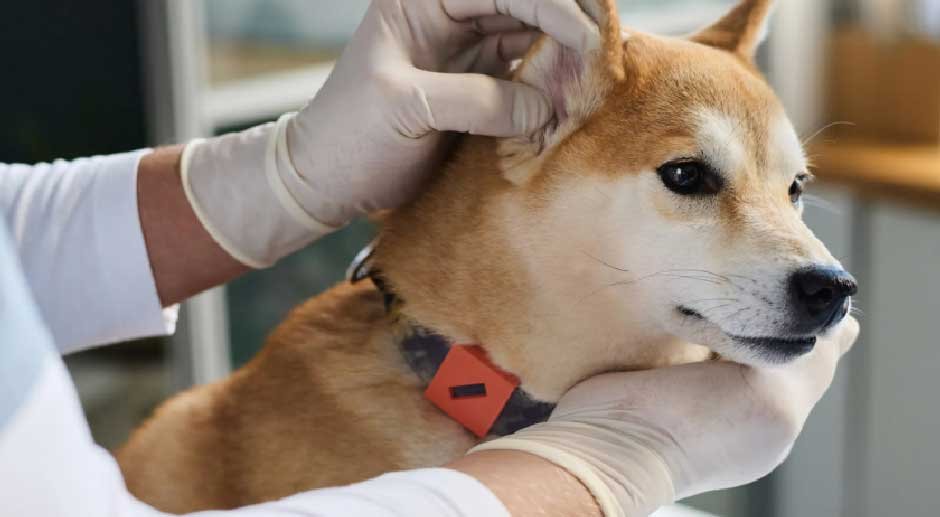
 Your dog is shaking their head like they’re trying to dislodge a bee. The ear smells off, yeasty and sour, something you can’t quite name but know shouldn’t be there. A vet visit would set you back $150 to $300 before medications even enter the picture. You’re wondering if there’s a home remedy for ear infection in dogs that actually works.
Here’s the honest answer: some mild ear irritations can be managed at home. Actual infections, the kind caused by bacteria or yeast that have taken hold deep in the ear canal, need prescription medication. The trick is knowing which situation you’re dealing with before you reach for a home remedy for your dog’s ear infection.
“Broke and desperate: My Poodle’s ears look infected and I can’t afford a vet right now. What can I do?”
Reddit user, r/DogAdvice, April 2026 (102 upvotes, 110 comments)
This sentiment shows up in dog owner forums roughly every 48 hours. The cost barrier is real. But so is the risk of letting an infection fester: a ruptured eardrum or a middle-ear infection runs into the thousands and can cause permanent hearing loss.
What follows is a practical breakdown of home remedy ear infection dog treatments: which ones have actual evidence behind them, which are actively dangerous, the specific symptoms that mean “stop reading and call the vet now,” and how to prevent the whole cycle from repeating.
What a Dog Ear Infection Actually Looks Like
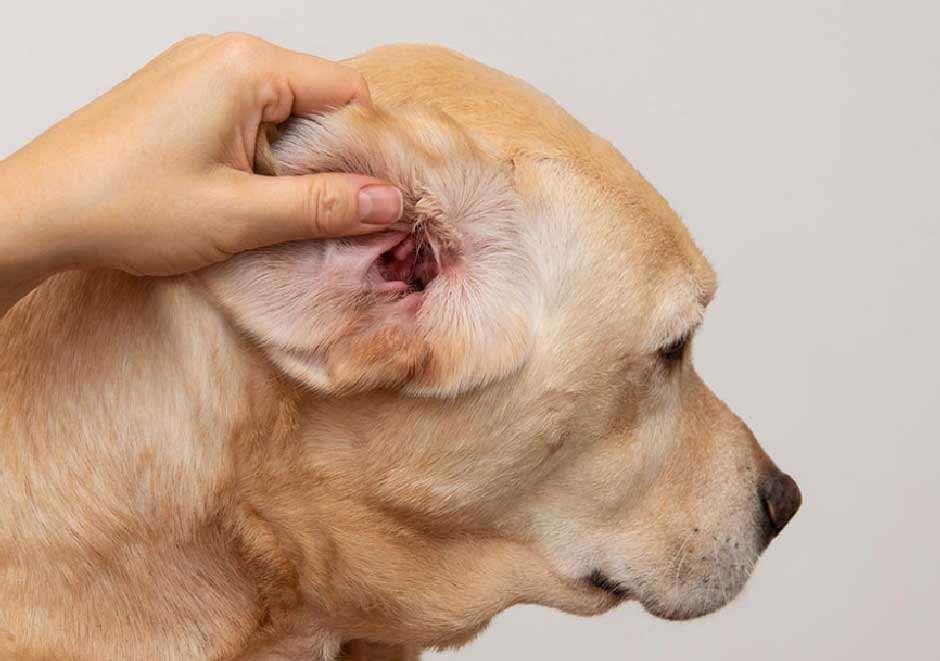
An ear infection in a dog is not subtle once you know what to check for. The three types are otitis externa (outer ear), otitis media (middle ear), and otitis interna (inner ear), and each presents differently. Roughly 90% of cases are otitis externa. Those are the only ones you would ever consider treating with a home remedy for an ear infection in a dog.
The classic signs start with head shaking and ear scratching. The ear flap may look redder than usual. You might notice a discharge: brown and waxy suggests yeast, while yellow or greenish pus points to bacteria. According to the American Kennel Club (2024), roughly 20% of dogs will experience some form of ear disease in their lifetime, with floppy-eared breeds like Cocker Spaniels, Basset Hounds, and Golden Retrievers at the highest risk.
But here’s what most general advice misses: not every red, irritated ear is infected. Allergies, whether food or environmental, can inflame the ear canal without any pathogen present. Putting antifungal drops into an allergic ear achieves exactly nothing. According to Cornell University College of Veterinary Medicine, chronic ear inflammation in dogs is more often driven by underlying allergies than by primary infection.
At first glance, the symptoms seem straightforward. But after enough vet visits, experienced dog owners learn that ear problems are rarely just ear problems. They are usually a symptom of something else happening systemically. This is why the best home remedy ear infection dog approach depends entirely on what you are actually dealing with.
| Symptom | Likely Means | Home Treatable? |
|---|---|---|
| Mild redness, occasional head shake | Early irritation or allergies | Yes, monitor closely |
| Brown, crumbly discharge; yeasty smell | Yeast overgrowth (Malassezia) | Possibly, with antifungal cleaners |
| Yellow/green pus; foul odor | Bacterial infection | No, needs antibiotics |
| Swollen, hot ear flap; obvious pain | Advanced infection or hematoma | No, needs a vet urgently |
| Head tilt, loss of balance, circling | Middle/inner ear involvement | No, emergency vet visit |
When Home Remedies Make Sense (and When They Don’t)
Any home remedy for ear infection in dogs is only appropriate when the ear is intact: no open sores, no ruptured eardrum, no visible pus, and no sign the dog is in serious pain. If your dog flinches when you touch the ear, cries when they scratch it, or the ear canal is so swollen it looks nearly closed, do not pour anything in there. You will make it worse.
A simple way to think about it: home care is for the earliest stage of irritation or for maintenance cleaning between infections. It is not a substitute for antibiotics when bacteria have colonized the ear canal. The Cornell University College of Veterinary Medicine puts it bluntly: if there is discharge, odor, or pain, a veterinarian needs to examine the ear before any cleaner goes in.
Honestly, this is where a lot of owners mess up. They wait. The dog seems fine during the day. Then three weeks later, the infection has moved deeper, and what would have been a $200 visit is now surgery. Before trying any home remedy for a dog’s ear infection, you need to rule out those red flags.
The eardrum check is the dealbreaker. You cannot see whether a dog’s eardrum is intact without an otoscope. Put acidic solutions like vinegar into an ear with a ruptured eardrum, and you have just caused vestibular damage: head tilt, nystagmus (eyes flicking back and forth), permanent balance problems. This is not theoretical. It happens.
Safe Home Remedies That Have Some Evidence Behind Them
The following home remedy ear infection dog approaches have at least some backing from veterinary sources. None are a replacement for prescribed medication when an infection is established, but they can help in the very early stages or as part of a prevention routine. Always confirm with your vet that the eardrum is intact before applying anything into the ear canal.
Warm Saline Solution
The gentlest option and the hardest to get wrong. Mix one teaspoon of non-iodized salt into one cup of warm (not hot) distilled water. Use a clean syringe or ear bulb to flush gently, then let the dog shake out the excess. Saline does not kill yeast or bacteria, but it mechanically flushes out debris and can calm mild inflammation. According to VCA Animal Hospitals, this is the only ear flush that is universally safe: no risk of ototoxicity, no reaction concerns.
Diluted Apple Cider Vinegar
Apple cider vinegar creates an acidic environment that makes the ear canal less hospitable to yeast and some bacteria. The standard ratio: one part raw, unfiltered apple cider vinegar to one part distilled water. Apply a few drops with a cotton ball, massage the base of the ear, and let the dog shake.
Do NOT use this if the ear is red, raw, or has any open skin. It stings. Badly. And do not use it more than twice a week: over-acidifying the ear canal causes its own set of problems. The American Kennel Club notes that while diluted ACV is one of the more commonly cited natural remedies for dog ear infections, there are no controlled studies confirming its efficacy specifically for canine ear infections.
Coconut Oil
Coconut oil contains lauric acid, which has mild antimicrobial properties in lab settings. A few drops of warm (liquefied) virgin coconut oil, massaged into the ear canal, can soothe dry, irritated skin and may slow yeast growth. It is also entirely safe if the dog licks any that drips out. The limitation: coconut oil is not potent enough to clear an established infection. Think of it as a skin soother, not a treatment.
Green Tea Rinse
Cooled green tea contains tannins with mild anti-inflammatory and astringent properties. Steep a bag of plain green tea (no additives), let it cool to room temperature, and use it as a gentle ear flush. A 2020 study published in the Journal of Veterinary Science found that green tea extract demonstrated in-vitro antibacterial activity against common canine ear pathogens including Staphylococcus pseudintermedius, though in-vivo efficacy in dogs with clinical ear infections has not been studied.
Witch Hazel (With Caution)
Witch hazel is a natural astringent that can help dry out a moist ear canal since yeast thrives in moisture. Use an alcohol-free formula, apply sparingly with a cotton ball (do not pour it in), and limit use to once daily for no more than 2 to 3 days. Over-drying the ear can cause cracking and more irritation.
One detail that rarely gets mentioned: ear anatomy matters. Dogs with upright ears (German Shepherds, Huskies) get more airflow and dry out faster. Floppy-eared breeds (Bassets, Cocker Spaniels, Labradors) trap moisture like a greenhouse. What works as a once-weekly maintenance flush for a Husky might need to be done every other day for a Basset.
| Remedy | Best For | Risk Level | How Often |
|---|---|---|---|
| Warm saline flush | Debris removal, mild irritation | Very low, safest option | Daily for up to 3 days |
| Diluted ACV (1:1) | Yeasty ears, early stage | Moderate, stings raw skin | Twice weekly max |
| Coconut oil | Dry, irritated ear skin | Very low | Daily as needed |
| Green tea rinse | Mild inflammation, redness | Low | Daily for 3 to 5 days |
| Witch hazel (alcohol-free) | Moist ear canals, maintenance | Moderate, can over-dry | Once daily, 2 to 3 days max |
Remedies You Should Never Put in Your Dog’s Ear
Some things people pour into dog ears based on internet advice are genuinely dangerous. Here is what to skip, no exceptions.
Hydrogen peroxide. It foams. It looks like it is working. It is also killing healthy tissue along with bacteria. The bubbling action can damage the delicate epithelium inside the ear canal, and if the eardrum is compromised, peroxide in the middle ear is a straight path to neurological damage.
Rubbing alcohol. Yes, it kills germs. It also burns inflamed tissue and dries the ear so aggressively that the skin cracks, creating entry points for the next infection. The pain alone is reason enough. A dog with an already painful ear does not need alcohol poured into it.
Tea tree oil (undiluted). Tea tree oil is toxic to dogs when ingested and can be absorbed through the skin at concentrations above 1%. Undiluted application to the ear canal has been linked to temporary paralysis, ataxia, and seizures in small dogs. Most veterinary toxicologists recommend avoiding it entirely for ear use.
Garlic oil or onion-based remedies. Allium species (garlic, onion, leeks) cause oxidative damage to canine red blood cells, leading to hemolytic anemia. Whether ingested or absorbed, the risk is well-documented. No amount of garlic or onion should go into or onto a dog.
Olive oil as a cure. Olive oil can smother ear mites by coating them, which is where this remedy originated. But a bacterial or yeast infection getting coated in oil just gives the pathogens a warm, moist lipid bath. Use olive oil only for loosening hard wax debris before a vet cleaning, not as a standalone home remedy for dog ear infection.
How to Clean Your Dog’s Ears at Home (The Right Way)
Most ear infections take hold because the ear canal is warm, dark, and moist, exactly the environment yeast and bacteria prefer. Regular cleaning disrupts that environment. The catch: doing it badly is worse than not doing it at all. A poorly aimed cotton swab can pack debris deeper or puncture the eardrum.
Here is the method, based on the protocol from Cornell University College of Veterinary Medicine:
- Gather supplies first. You need a vet-approved ear cleaning solution (not a DIY mix for this), cotton balls or gauze squares, and treats. Do not use cotton swabs inside the ear canal. The risk of eardrum injury is not worth it.
- Position the dog. Most dogs tolerate ear cleaning better when they are tired. After a walk is ideal. Have them sit or lie down. If the dog resists violently, stop. A bite to your face costs more than the vet visit you were trying to avoid.
- Fill the ear canal. Squeeze enough cleaning solution into the ear that you can see it pooling at the opening. This is more than most people think. You want the solution to reach the horizontal canal, not just wet the opening.
- Massage the base. Close the ear flap over the opening and massage the base of the ear for 20 to 30 seconds. You should hear a squelching sound. This is the solution working debris loose from the canal walls.
- Let them shake. Step back. The dog will shake their head vigorously. This is correct: the centrifugal force flings debris and excess solution outward.
- Wipe, don’t dig. Use cotton balls or gauze to gently wipe the outer ear canal and the ear flap. Only go as deep as your finger can easily reach. If you see dark debris coming out, repeat steps 3 through 5 until the cotton comes back clean.
- Reward. Give treats throughout and especially at the end. The dog’s memory of ear cleaning determines how the next session goes.
“Anyone know why dog ear infection treatment isn’t helping? We’ve been using the drops the vet gave us for two weeks and it’s still not clearing up.”
Reddit user, r/DogHealth, May 2026 (4 upvotes, 44 comments)
This is a common frustration. The treatment sometimes fails not because the medication is wrong but because the ear was not properly cleaned before the medication went in. If the canal is full of wax and debris, the medication never reaches the infected tissue. A vet can do a deep flush under sedation when at-home cleaning is not cutting it.
Preventing the Next Ear Infection
Recurring ear infections follow a pattern. The infection clears, the owner relaxes, and eight weeks later the dog is shaking their head again. Breaking the cycle requires understanding what is driving it.
For most dogs, the root cause is one of three things: allergies (food or environmental, responsible for roughly 50% of chronic ear cases per the British Veterinary Association, 2023), conformation (floppy ears, narrow canals, hairy ear canals), or moisture (swimming, bathing, humidity). Addressing the root cause matters more than which cleaner you use.
Practical steps that make a difference:
- Dry the ears thoroughly after every bath, swim, or walk in the rain. A cotton ball gently inserted at the ear opening for 10 minutes after water exposure absorbs moisture from the canal.
- For hairy-eared breeds (Poodles, Schnauzers, some Terriers), have a groomer or vet pluck excess hair from the ear canal. More airflow means fewer infections.
- If allergies are the trigger, talk to your vet about an elimination diet trial or allergy testing. Treating ear infections without addressing the allergy is like bailing water from a boat without plugging the hole.
- Clean the ears weekly if your dog has a history of infections. If they have never had an ear problem, monthly is sufficient.
There is a history angle worth knowing: ear cropping in breeds like Dobermans and Great Danes was originally done not for aesthetics but specifically to reduce ear infections in working dogs. Whether you agree with the practice or not, it tells you how long humans have been fighting this particular battle. Centuries, at minimum.
Frequently Asked Questions
Can I treat my dog’s ear infection without going to the vet?
You can manage mild ear irritation at home with gentle cleaning and natural soothers like warm saline or coconut oil, but a true bacterial or yeast infection requires prescription medication from a veterinarian. The key distinction is whether you are seeing discharge (especially yellow, green, or bloody), a foul odor, swelling, or signs of pain. Those symptoms mean the infection is established beyond what any home remedy ear infection dog treatment can reach. Going without treatment risks the infection moving deeper into the middle or inner ear, and that is when you are looking at neurological symptoms and surgical intervention.
What is the best home remedy for a dog’s yeast ear infection?
Diluted apple cider vinegar (one part ACV to one part water) applied with a cotton ball is the most commonly recommended home approach for yeast because it acidifies the ear canal, making it less hospitable to Malassezia yeast. That said, the acetic acid concentration in diluted ACV is far lower than what is in prescription antifungal ear drops. If the yeast has formed a biofilm, which it usually does in chronic infections, home remedies will not penetrate it. A vet can confirm yeast versus bacteria with a quick in-house cytology, and the right medication typically clears it within 7 to 10 days.
What are the signs a dog ear infection needs a vet right away?
A vet visit is non-negotiable when you see yellow or green discharge, blood from the ear, a swollen or hot ear flap, visible pain (flinching, crying, or aggression when you touch the ear), or any neurological sign: head tilt, loss of balance, eyes flicking (nystagmus), or circling. These indicate the infection has progressed beyond the outer ear and could involve the eardrum or middle ear. A ruptured eardrum left untreated can lead to permanent hearing loss and, in severe cases, the infection can track inward toward the brain.
Can I use Monistat or other human antifungal creams on my dog’s ear?
The active ingredient in Monistat, miconazole, is actually used in some veterinary antifungal ear medications. However, the over-the-counter human formulation contains additional ingredients (preservatives, penetration enhancers) that are not tested for canine ear safety. Human ear drops should never be used in a dog’s ear unless specifically prescribed by your veterinarian. Some contain ingredients that are ototoxic (damaging to the ear) in dogs even when safe for humans.
How long does a dog ear infection take to clear up with treatment?
With proper prescription medication, an uncomplicated outer ear infection typically shows improvement within 2 to 3 days and resolves fully in 7 to 14 days. Chronic or resistant infections can take 4 to 6 weeks. If you have been treating for more than a week with no improvement, or if symptoms return within a month of finishing treatment, the underlying cause (allergies, resistant bacteria, a foreign body, or a middle ear infection) has likely not been addressed.
Why does my dog’s ear infection keep coming back?
Recurrent ear infections in dogs are almost always driven by an underlying condition, not just bad luck. The three most common culprits: undiagnosed food or environmental allergies (responsible for roughly half of chronic ear cases), anatomical factors like narrow or hairy ear canals that trap moisture, or incomplete treatment of the previous infection (stopping medication when symptoms improve rather than completing the full course). A veterinarian can perform a culture and sensitivity test to identify the specific pathogen and which medication it actually responds to, which is particularly useful when multiple home remedy ear infection dog attempts have failed.
The Bottom Line
Home remedies have their place: at the very start of a problem, or as part of keeping a prone dog’s ears healthy between vet visits. Warm saline, diluted ACV, and coconut oil are reasonable tools for a dog owner’s cabinet. But they stop being reasonable the moment the ear smells, swells, or hurts.
The dogs that end up in serious trouble are not the ones whose owners rushed to the vet at the first head shake. They are the ones whose owners spent three weeks pouring vinegar into an ear that needed antibiotics. If you are reading this because your dog’s ear is bothering them right now and money is tight, call the vet anyway and ask about costs. Many clinics offer payment plans, and some humane societies run low-cost vet clinics. The consultation fee is always cheaper than the surgery.