Persian Ragdoll Cat Mix: Ultimate Breed Guide

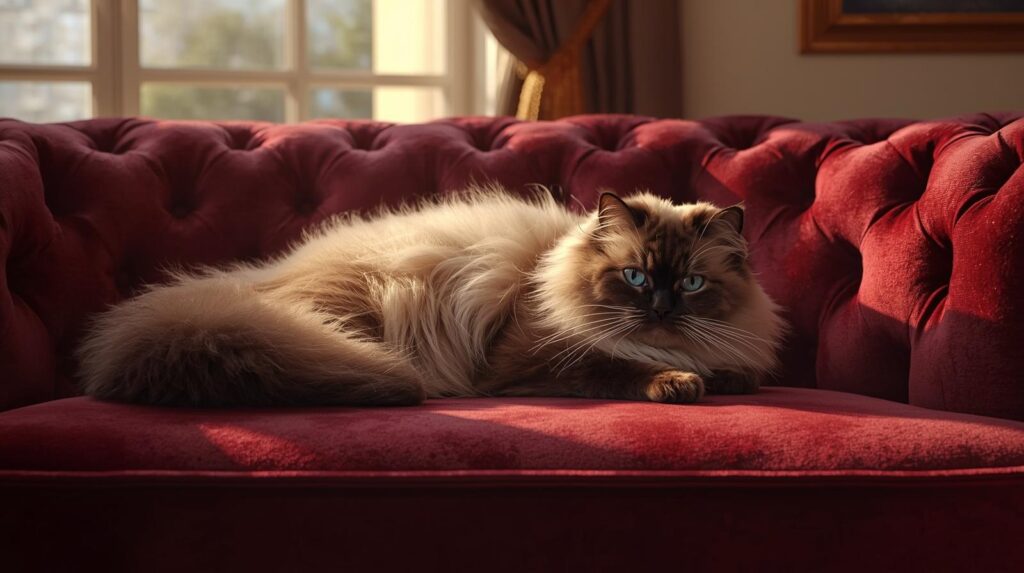
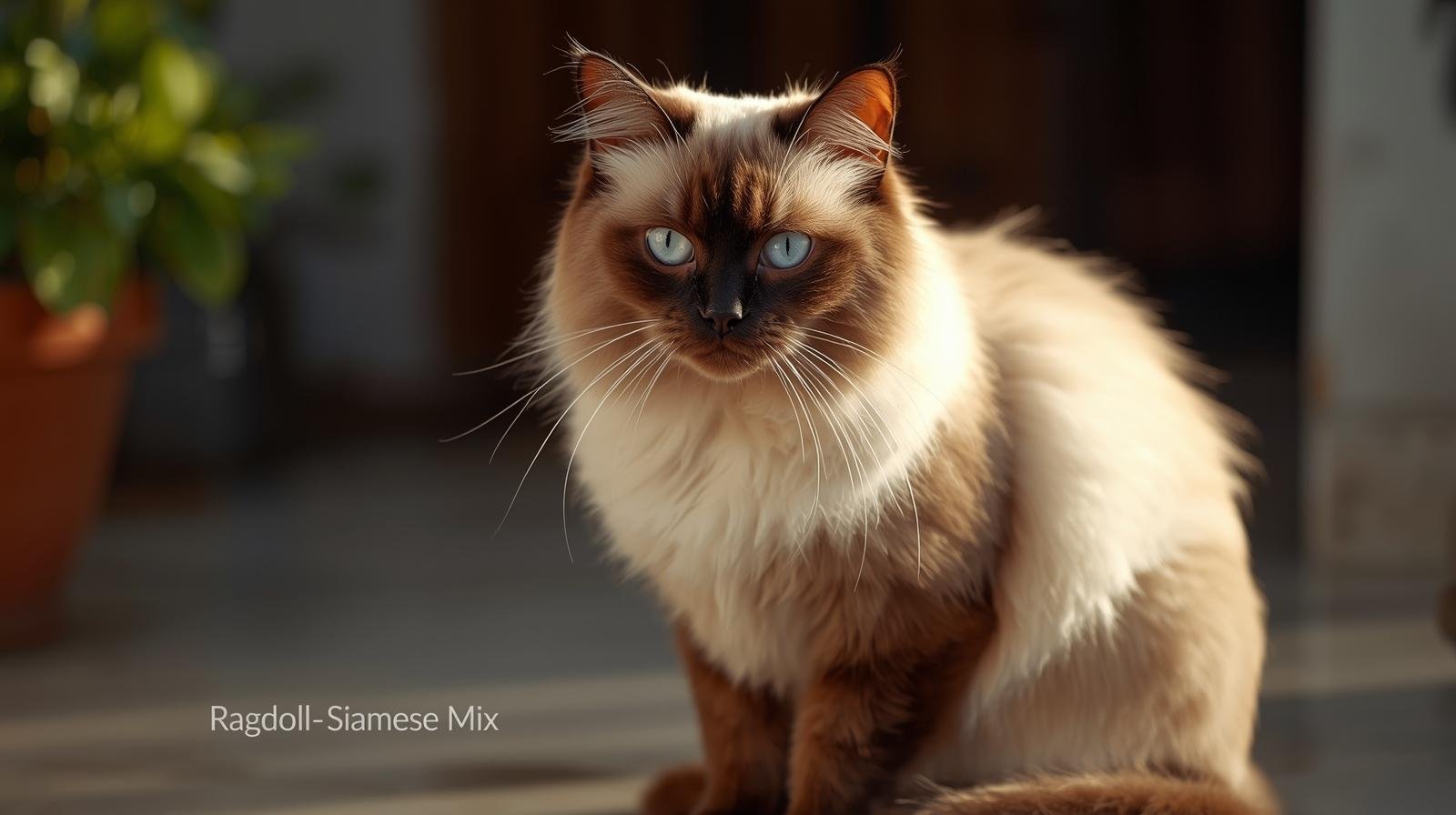
I’ll be honest the first time I saw a persian ragdoll cat mix, I thought someone had photoshopped a cloud into a cat. The fluffiness was unreal. That plush coat, those wide ocean-blue eyes, and that impossibly calm energy? I was done. Completely hooked.
If you’re here, you probably had a similar moment either scrolling Instagram, watching a TikTok, or bumping into one at a friend’s house. And now you’re wondering: is this the right cat for me? This guide is here to answer exactly that, with real data, honest insights, and everything you need to know before bringing a persian ragdoll cat mix home.
What Exactly Is a Persian Ragdoll Cat Mix?
The persian ragdoll cat mix is a cross between two popular cat breeds: the Persian and the Ragdoll. This mix combines the Persian’s luxurious, long fur with the Ragdoll’s calm and affectionate personality, resulting in a cat that is not only beautiful but also friendly and easygoing making it an excellent choice for families or those searching for a loving companion.
As first-generation hybrids, persian ragdoll cat mixes are designer pets created by breeding pedigree Persian cats with Ragdoll kitties. Because they inherit behavioral and physical characteristics from both parents, it can be difficult to predict exactly how any individual pet will look or behave.
This unpredictability is actually part of the charm. No two persian ragdoll cat mix kittens from the same litter are identical one might lean heavily toward Persian roots with a flatter face and denser coat, while another might mirror the Ragdoll’s longer muzzle and silkier fur. It’s a delightful surprise package every single time.
The persian ragdoll cat mix is not an officially recognized breed under major registries like the Cat Fanciers’ Association (CFA) or The International Cat Association (TICA) and that distinction matters. Because it isn’t a recognized breed, there’s no standardized conformation, no guaranteed pedigree consistency, and no uniform health-testing requirements.
The Growing Popularity of Designer Cat Breeds
Cat ownership is booming across the United States, and designer mixed breeds are riding that wave.
According to the American Pet Products Association’s 2024–2025 survey, about 94 million U.S. households now have at least one pet, up from 82 million in 2023. Cat ownership specifically rose by 23% in 2024, with more households adding multiple cats and people spending more quality time with their feline companions.
When it comes to purebred cats, Ragdolls, Maine Coons, Devon Rexes, Exotic Shorthairs, and Persians are among the most popular breeds in American families. It’s no surprise, then, that a mix combining two of these the persian ragdoll cat mix is capturing so many hearts.
According to Statista, there are almost 47 million households in the U.S. that own a cat, making cats the second most popular pet type, only surpassed by dogs.
As more people discover the persian ragdoll cat mix through social media and breeder showcases, demand for this stunning hybrid is clearly on the rise especially among millennials and Gen Z pet owners who prioritize companionship and low-maintenance indoor pets.
A Brief Origin Story: Where Does This Mix Come From?
The breed history of the persian ragdoll cat mix is relatively short, primarily because the Ragdoll itself is a fairly modern breed. A California breeder established the Ragdoll breed in 1966. Persians, on the other hand, have been mixed with other breeds for decades, so often that entirely new breeds have been created like the Himalayan and the Exotic Shorthair.
The Persian cat has an impressive history, having been bred approximately one thousand years ago in Persia (modern Iran). Elegant, quiet, and friendly, Persians have long, silky fur and flat skulls and are one of the oldest breeds.
Ragdoll cats were established as a breed by one woman, Ann Baker, who felt that her white Angora Persian-type cat named Josephine with a Himalayan coat pattern had traits worth reproducing. She bred her to longhaired males of two particularly affectionate breeds. Interestingly, the Ragdoll likely has roots in the Persian breed through Josephine, so a cross back to Persian may naturally tip the scales toward Persian characteristics.
This historical connection makes the persian ragdoll cat mix feel less like a designer novelty and more like a natural homecoming.
Physical Characteristics of the Persian Ragdoll Cat Mix
Size, Body, and Build
The size and body shape of a persian ragdoll cat mix can vary, as they inherit traits from both Persian and Ragdoll breeds. They tend to have a medium to large body size, often weighing between 8 to 15 pounds or more, with males generally being larger than females. Their body shape is typically muscular and well-built, with a sturdy frame and a broad chest.
Coat Texture and Grooming Needs
The coat is arguably the most striking feature of the persian ragdoll cat mix and also the most demanding.
The coat in persian ragdoll cat mix breeds tends to be longer and denser than that of typical Ragdolls, requiring more intensive grooming to prevent matting, but maintains some of the Ragdoll’s more manageable texture.
Some persian ragdoll cat mixes have the long thick hair of their Persian cat parents and require a fair amount of grooming to prevent tangles. Others have the fine, silky single-coats of Ragdoll cats and only need minimal weekly brushing.
Eyes and Facial Features
The persian ragdoll cat mix is known for its enchanting eyes that can come in various colors. Most commonly, their eyes are blue or blue-green, creating a striking contrast against their coat. However, some individuals may have different eye colors, such as copper, green, or even odd-eyed combinations where each eye is a different color.
Eye color in persian ragdoll cat mix combinations usually remains blue, though Persian genetic influences may introduce variations in shade intensity.
Here’s a quick comparison of typical traits:
| Feature | Persian Parent | Ragdoll Parent | Persian Ragdoll Cat Mix |
|---|---|---|---|
| Size | Medium (7–12 lbs) | Large (10–20 lbs) | Medium-Large (8–15 lbs) |
| Coat | Long, dense, thick | Semi-long, silky | Long to very dense |
| Eye Color | Copper, blue, green | Always blue | Usually blue, varies |
| Face Shape | Flat (brachycephalic) | Round, moderate muzzle | Flat to moderate |
| Energy Level | Low | Low-moderate | Low-moderate |
| Grooming Needs | Daily | 2–3x per week | 3–5x per week |
Temperament: What to Expect Day-to-Day
This is where the persian ragdoll cat mix truly shines and where I personally fell for this breed.
The Ragdoll is a large cat known for its gentle, dog-like personality, while the Persian is known for its discerning but loving personality. Both breeds are popular with a wide variety of people, from families to singles, and they are both suitable cats for many home environments, including apartment living.
Owners describe the persian ragdoll cat mix in ranges, not labels. Most are affectionate and people-oriented without being overly demanding. Energy tends to sit in the middle think couch-cat with 20–30 minute play bursts, not an agility partner. Vocalizing is usually soft, from quiet to gently conversational.
Persian cats and Ragdoll cats bond deeply with family members and are often quite loyal. While both breeds enjoy companionship, they’re often happy just doing their own thing with their favorite people nearby.
What does that mean in practice? It means your persian ragdoll cat mix is probably going to be the cat that follows you from room to room without demanding attention, curls up nearby while you work, and greets you at the door without screaming. It’s the introvert’s dream companion.
How They Interact with Kids and Other Pets
The persian ragdoll cat mix can be a great family cat. Ragdolls are gentle giants, often showing equal affinity to all members of the household, as well as being quite friendly and social with visitors. Persians differ from Ragdolls in that they are somewhat discerning they may pick favorites among household members, and some Persians may choose to avoid noisy, rowdy children and adults.
Persian ragdoll mixes typically get along with other cats very well. With proper introductions and socialization, they can also be friendly with cat-friendly dogs.
Health Considerations for Your Persian Ragdoll Cat Mix
No hybrid is free from health concerns, and the persian ragdoll cat mix carries potential risks from both parent breeds. Being informed is the first step toward being a great owner.
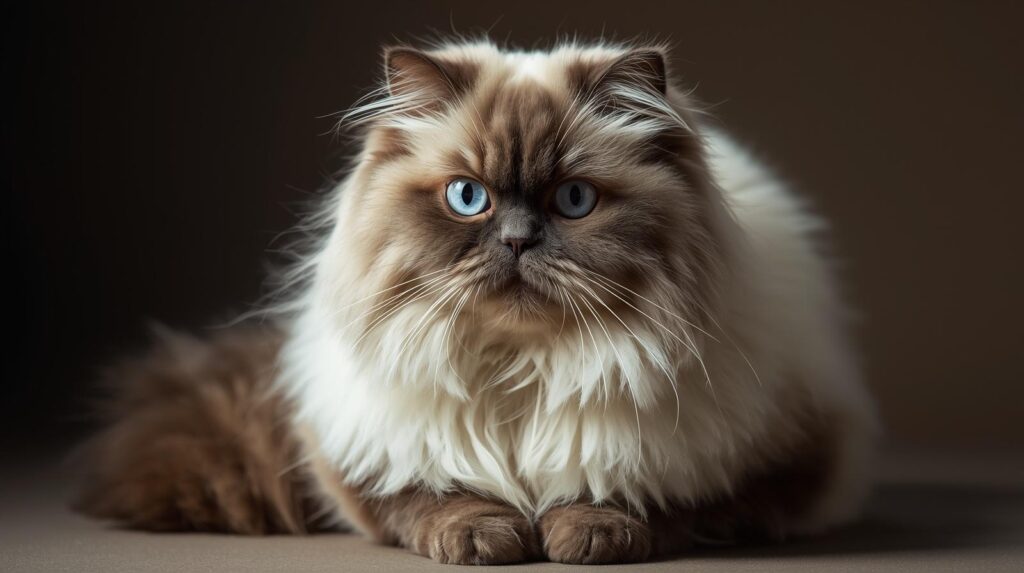
Face shape is the biggest variable in the persian ragdoll cat mix: a flatter, Persian-style muzzle often signals more tear care and possible breathing checks, while a longer Ragdoll-type nose usually means fewer eye issues.
Key health concerns to discuss with your vet include:
- Polycystic Kidney Disease (PKD) — a hereditary condition common in Persians
- Hypertrophic Cardiomyopathy (HCM) — a heart condition seen in Ragdolls
- Brachycephalic issues — if your persian ragdoll cat mix leans Persian-faced, watch for breathing difficulties
- Obesity — Ragdolls are prone to weight gain; monitor food intake carefully
Ragdoll cats tend to gain weight easily and often suffer from obesity, so pet parents should follow feeding instructions and measure serving sizes carefully to prevent overfeeding in their persian ragdoll cat mix.
Always ask a breeder to provide health screening documentation, specifically PKD and HCM test results, before purchasing a persian ragdoll cat mix kitten. A reputable breeder will welcome these questions.
Grooming Guide: Keeping That Coat Gorgeous
If you’re considering a persian ragdoll cat mix, you need to make peace with grooming. This is a high-maintenance coat that rewards daily attention.
Weekly grooming routine:
- Daily or every other day: Brush the coat with a slicker or wide-toothed comb to prevent matting
- Weekly: Check and clean the eye area — especially in cats with flatter faces prone to tear staining
- Monthly: Trim nails and check ears for wax buildup
- As needed: Bathe every 4–6 weeks to maintain coat luster
The good news? Most persian ragdoll cat mix cats are calm and cooperative during grooming sessions a gift from their Ragdoll heritage. Starting grooming routines early in kittenhood makes an enormous difference.
For more tips on managing long-haired cat breeds and understanding large, fluffy cats, check out our MaineCoon Guides many of the grooming strategies translate perfectly to the persian ragdoll cat mix.
Feeding Your Persian Ragdoll Cat Mix
Neither Persian nor Ragdoll cats have special dietary needs. A persian ragdoll cat mix should eat high-quality cat food that delivers the full range of required nutrients without exceeding caloric limits. Look for options that meet AAFCO guidelines, as these are complete nutritional choices that provide all the protein, vitamins, and minerals healthy cats need.
Regardless of your persian ragdoll cat mix’s build, it is important to feed a high-quality cat food that meets all of the nutritional needs of your cat. Cats are obligate carnivores that require a high protein and moderate fat diet that is complete and balanced.
A general feeding guideline for adult persian ragdoll cat mix cats:
- Kittens (under 1 year): 3–4 small meals daily of kitten-formulated food
- Adults (1–7 years): 2 meals daily, measured portions to prevent obesity
- Seniors (7+ years): Senior-formula food with joint and kidney support
Fresh water should always be available. Many persian ragdoll cat mix owners use water fountains to encourage better hydration especially important for kidney health.
Exercise and Mental Stimulation Needs
Don’t let the laid-back personality fool you the persian ragdoll cat mix still needs daily mental and physical engagement.
Despite their calm and laid-back nature, persian ragdoll cat mixes are also intelligent and playful cats. They enjoy interactive toys and games that stimulate their minds, and they can even learn simple tricks or commands with consistent training.
Great enrichment options include:
- Wand toys for 15–20 minute daily play sessions
- Puzzle feeders to slow eating and engage problem-solving instincts
- Cat trees and perches — these cats love elevated vantage points
- Window bird feeders to provide passive entertainment
The key is consistency. A persian ragdoll cat mix thrives in a calm, predictable home environment where it gets regular gentle play rather than intense, sporadic bursts of activity.
Finding and Adopting a Persian Ragdoll Cat Mix
While both parent breeds aren’t uncommon, the combination of the Persian and Ragdoll breeds is uncommon. You may be able to find one in a shelter or rescue, as people surrender cats all the time. However, your best bet at finding a persian ragdoll cat mix is to contact a Persian or Ragdoll breeder. When choosing a breeder, make sure they are reputable and preferably registered through a cat fanciers’ organization.
What to expect to pay:
Persian ragdoll cat mix kittens are considered designer cats, meaning they do not have a breed standard or a normal price range. As a result, prices can vary drastically. A good rule of thumb is that suspiciously cheap breeders should be avoided.
Expect to pay anywhere from $500 to $2,000+ depending on coat quality, pedigree of parents, and the breeder’s reputation. Health-tested parents, a kitten health guarantee, and a waiting list are all signs of a trustworthy source.
For a deeper understanding of how responsible cat breeding works and what questions to ask the ASPCA’s responsible breeder guide is an excellent starting point.
Persian Ragdoll Cat Mix vs. Other Popular Mixes
| Trait | Persian Ragdoll Cat Mix | Maine Coon Ragdoll Mix | Himalayan Persian |
|---|---|---|---|
| Size | Medium-Large | Very Large (20+ lbs) | Medium |
| Energy Level | Low-Moderate | Moderate-High | Low |
| Coat Maintenance | High | High | Very High |
| Kid-Friendly | Yes | Yes | Moderate |
| Apartment-Friendly | Yes | Yes (with space) | Yes |
| Talkativeness | Low-Moderate | Moderate | Low |
As you can see, the persian ragdoll cat mix sits in a sweet spot manageable size, gentle temperament, and apartment-friendly behavior. It’s not as demanding as a Maine Coon mix, yet far more interactive than a solitary purebred Persian.
Personal Take: Is the Persian Ragdoll Cat Mix Right for You?
I’d recommend the persian ragdoll cat mix to anyone who craves a deeply affectionate companion but lives a relatively calm lifestyle. These cats don’t do well with chaos, constant change, or loud households. But in a peaceful apartment, a quiet family home, or even a remote worker’s office corner? They’re absolutely perfect.
The grooming commitment is real don’t underestimate it. But if you’re the kind of person who finds brushing a cat meditative (and honestly, many of us are), the persian ragdoll cat mix turns that daily ritual into a bonding experience you’ll look forward to.
What I love most is their quiet loyalty. A persian ragdoll cat mix won’t yell at you for being five minutes late with dinner. It’ll just blink slowly from across the room and wait, patiently, like a furry little monk.
Frequently Asked Questions (FAQ)
1. How long does a persian ragdoll cat mix typically live?
A healthy persian ragdoll cat mix generally lives between 12 to 17 years, though Persian-leaning individuals may face health challenges like PKD that can affect lifespan. Regular vet checkups and a quality diet significantly improve longevity.
2. Are persian ragdoll cat mixes hypoallergenic?
No. Both Persian and Ragdoll cats produce the Fel d 1 protein, which is the primary allergen responsible for cat allergies in humans. Since a persian ragdoll cat mix inherits traits from both breeds, they also produce this protein and can trigger allergies in sensitive individuals.
3. Do persian ragdoll cat mixes do the famous “ragdoll flop”?
The famous “Ragdoll flop” is possible in a persian ragdoll cat mix, but not guaranteed. Genetics set the ingredients; early socialization and routine shape the result.
4. How often should I groom a persian ragdoll cat mix?
Most persian ragdoll cat mix cats require brushing 3 to 5 times per week, with daily brushing recommended for those with denser, Persian-type coats to prevent painful matting and tangles.
5. Can a persian ragdoll cat mix live in an apartment?
Absolutely. The persian ragdoll cat mix is one of the most apartment-friendly designer breeds available low energy, non-destructive, and perfectly content with indoor living, as long as it receives daily interaction and mental stimulation. Thinking of bringing one home are you ready for a cat that will change the way you feel about mornings?