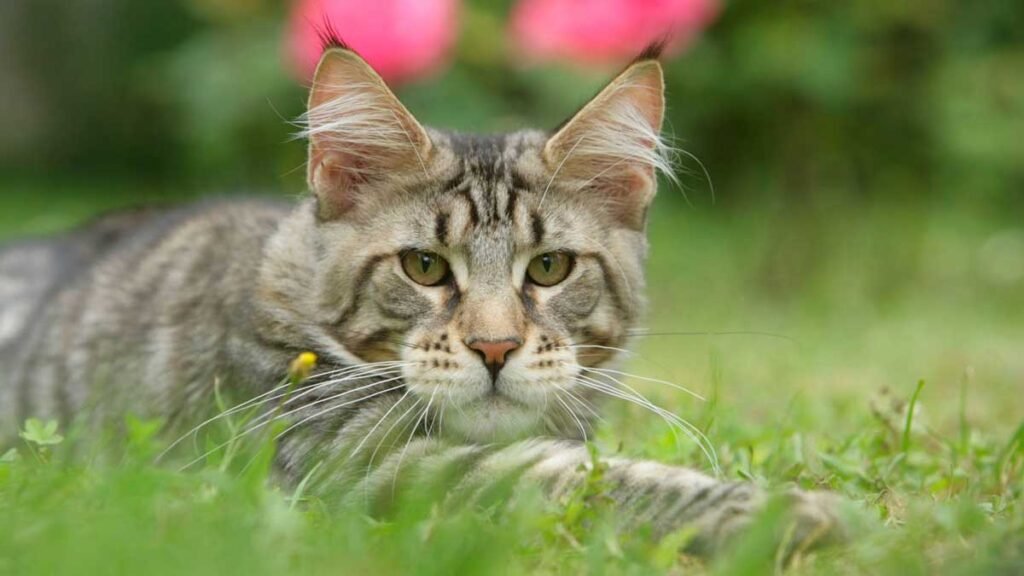
Royal Canin Maine Coon Adult is a competent mid-tier kibble sold at a premium price, and roughly half of what makes it breed-specific is real. The cube-shaped kibble genuinely suits a large square jaw. The taurine on the front of the bag is in every complete cat food on the shelf.
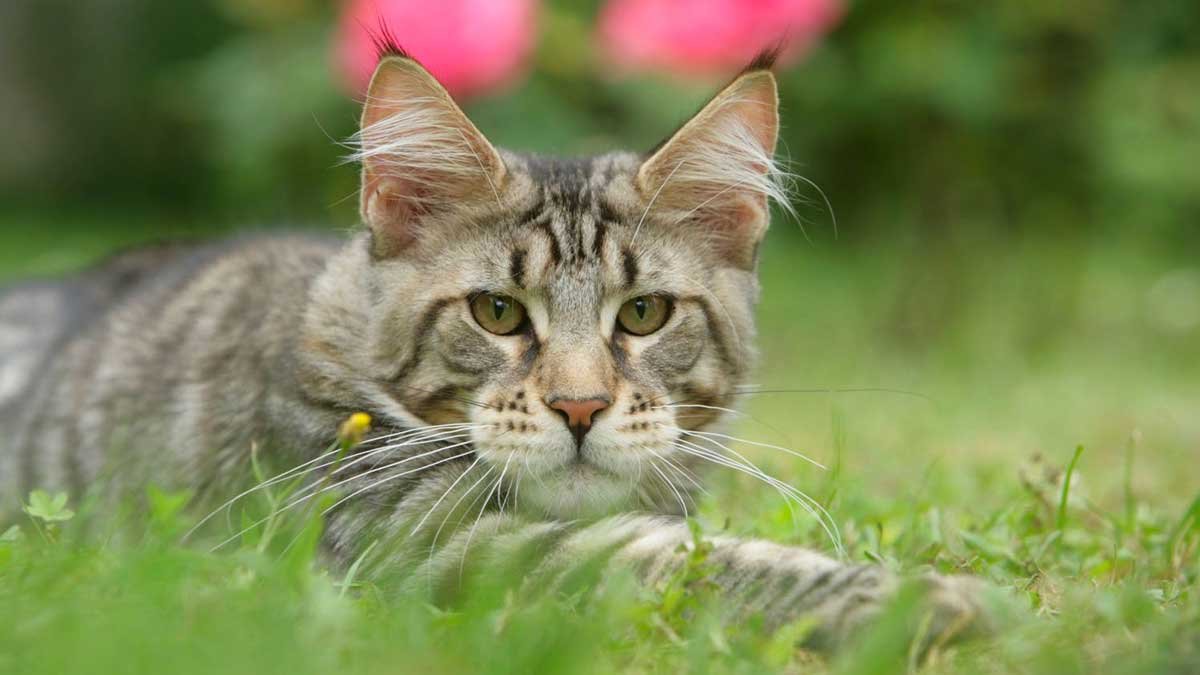
Whether that adds up to worth it depends on which half you are paying for, so here is the label, the arithmetic, and what Maine Coon owners buy instead.
What the Label Actually Says
Royal Canin publishes a guaranteed analysis of 29% crude protein and 18% crude fat at a maximum 8% moisture, which is the figure worth converting before you compare it against anything else. Divide 29 by the 92% of the bag that is not water and the food is about 31.5% protein on a dry matter basis.
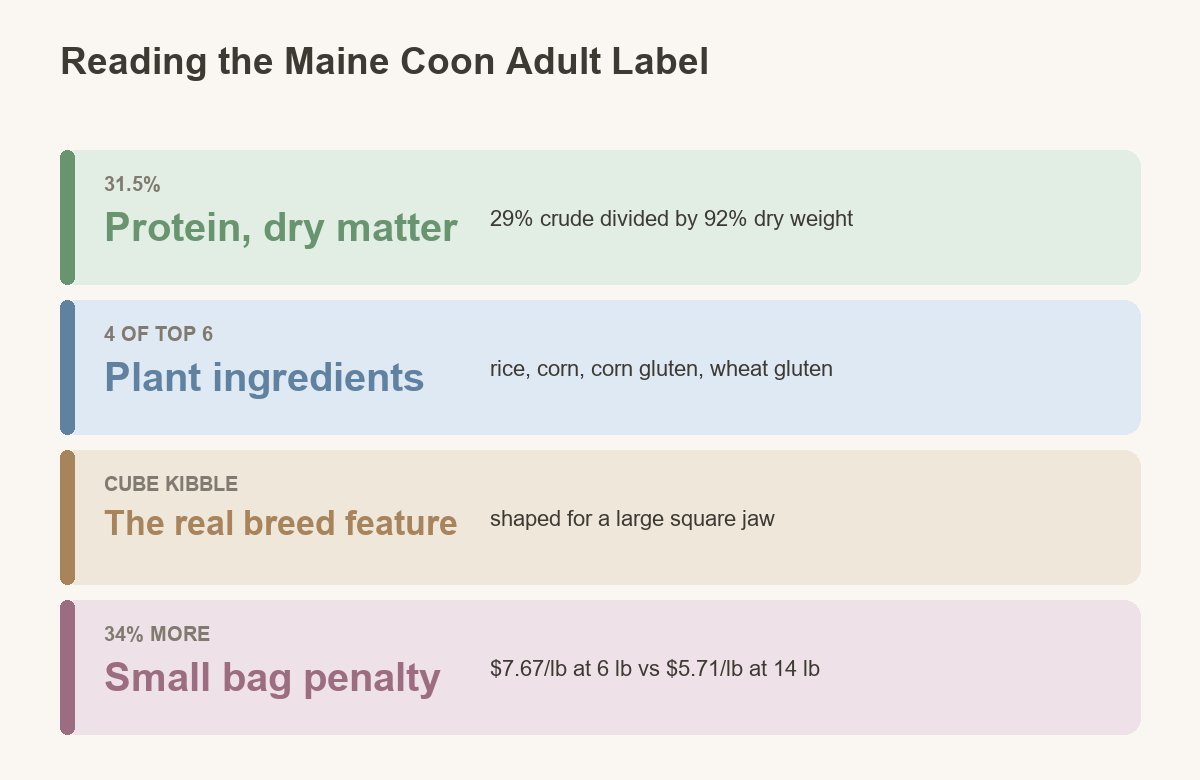
The ingredient order matters more than the percentage. The official ingredient list opens with chicken by-product meal, then brewers rice, chicken fat, corn, corn gluten meal, and wheat gluten. Four of the top six entries are plant sources, and two of those, corn gluten meal and wheat gluten, are concentrated plant proteins that lift the protein percentage without contributing meat.
That matters for a cat specifically. As obligate carnivores, cats require animal-based protein for nutrients like taurine and arginine that they cannot synthesise from plants, which is why experienced owners read the first few ingredients rather than the headline number.
“My advice is to read the back of the bag, the first 4 or 5 ingredients should be protein.”
– r/mainecoons, February 2026 (5 upvotes)
Chicken by-product meal is not the villain some marketing implies, incidentally. It is a concentrated animal protein made from clean organ meat, it is nutritionally respectable, and a food leading with it is doing better than one leading with grain. The plant load stacked underneath it is the part that decides where this food actually sits, because corn gluten meal and wheat gluten exist in a formula to raise the protein figure cheaply. Read those two entries as accounting rather than as nutrition.
What Is Genuinely Breed-Specific
Three things on this formula are real and one is packaging. The kibble is a large cube rather than a disc, which suits the Maine Coon’s broad square muzzle and slows down a cat that would otherwise swallow small kibble whole. Owners notice this one immediately.
Glucosamine and chondroitin appear in the ingredient list, which is defensible for a heavy-boned breed carrying more weight on its joints than an average cat. EPA and DHA from fish oil support skin and coat, which a semi-longhaired breed genuinely uses.
Then there is taurine, marketed for cardiac health against the breed’s association with hypertrophic cardiomyopathy. Taurine is essential and its deficiency does cause heart disease, but every complete and balanced cat food contains it, and adding it does not prevent the genetic HCM that Maine Coons are screened for. That claim is doing marketing work rather than nutritional work.
The Price, and the Bag-Size Trap
Royal Canin lists the Maine Coon Adult formula at about $7.67 per pound in the 6 lb bag and $5.71 per pound in the 14 lb bag. Buying the small bag costs roughly 34% more per pound for identical food, which is the single easiest saving available on this product and the one most owners miss.
Against the wider market that pricing sits in premium territory while the ingredient deck sits in mid tier. You are paying partly for the kibble shape and the joint additives, and partly for breed-specific packaging that no registry or nutritional standard requires.
What Maine Coon Owners Actually Feed Instead
Owner threads converge on a short list, and none of it is exotic. These are the brands that come up repeatedly when Maine Coon owners are asked what is in the bowl, offered as what owners report rather than as a veterinary recommendation.
- Orijen: named most often by owners who buy on ingredient order, for a deck that leads with animal protein rather than grain.
- Ziwi Peak: air-dried rather than baked kibble, chosen by owners avoiding fillers and used by raw feeders as a convenient fallback.
- Weruva: a wet-food favourite that comes up constantly for picky cats, usually paired with a dry food rather than replacing it.
- Tiki Cat: mousses and pâtés, another regular for cats that refuse everything else.
- Fancy Feast Classic Pâté: the budget entry that owners keep recommending honestly, because the classic pâté line is meat-forward and cats reliably eat it.
The recurring advice underneath those names is not about brands at all.
“Please feed your MC kitten wet food along with kibble. MC is a breed that truly needs high protein and they also need the extra hydration from the wet food.”
– r/mainecoons, February 2026 (7 upvotes)
Adding wet food does more for a cat than upgrading dry food brands does. Cats have a weak thirst drive and dry-only diets leave many of them mildly under-hydrated, which matters for a large breed that will spend its later years being watched for kidney and urinary trouble.
Should You Switch?
Keep feeding it if your cat eats it happily, holds a good weight, and has a glossy coat, because a food your cat reliably eats beats a better food it refuses. Picky Maine Coons are common enough that owners describe donating bag after bag before finding something that works.
Switch if you are buying it specifically for the cardiac claim, since that is the weakest part of the pitch, or if the plant-heavy ingredient deck is what you were trying to avoid.
Buy the large bag either way.
The change with the largest effect for most households is not the brand on the bag. It is adding wet food to a dry-only routine and getting portions right for a cat that will not finish growing until four. Our guides to the best foods for Maine Coons and to daily feeding amounts cover both.
Any cat with diagnosed kidney, urinary, or heart disease needs a diet chosen with a vet rather than from a list like this one.
FAQ
Is Royal Canin good for Maine Coon cats?
Royal Canin Maine Coon Adult is a nutritionally complete food with genuine breed-relevant features, notably its cube kibble shape and added joint support. Its ingredient deck is plant-heavy for an obligate carnivore, which is the main reason some owners choose a more meat-forward brand.
How much protein is in Royal Canin Maine Coon food?
The guaranteed analysis states 29% crude protein at up to 8% moisture, which works out to roughly 31.5% protein on a dry matter basis. Dry matter is the figure to use when comparing foods, since moisture content varies between products.
When should a Maine Coon switch from the kitten to the adult formula?
Royal Canin specifies its Maine Coon Adult formula for cats 15 months and older, which is later than the 12-month switch used for most breeds. The longer kitten phase reflects a breed that keeps growing well past its first birthday.
Is the breed-specific formula worth the extra cost?
The cube kibble and joint additives justify some premium for a large-jawed, heavy-boned cat, while the cardiac marketing does not, since all complete cat foods contain taurine. Buying the 14 lb bag instead of the 6 lb bag saves about 34% per pound and closes most of the price gap.