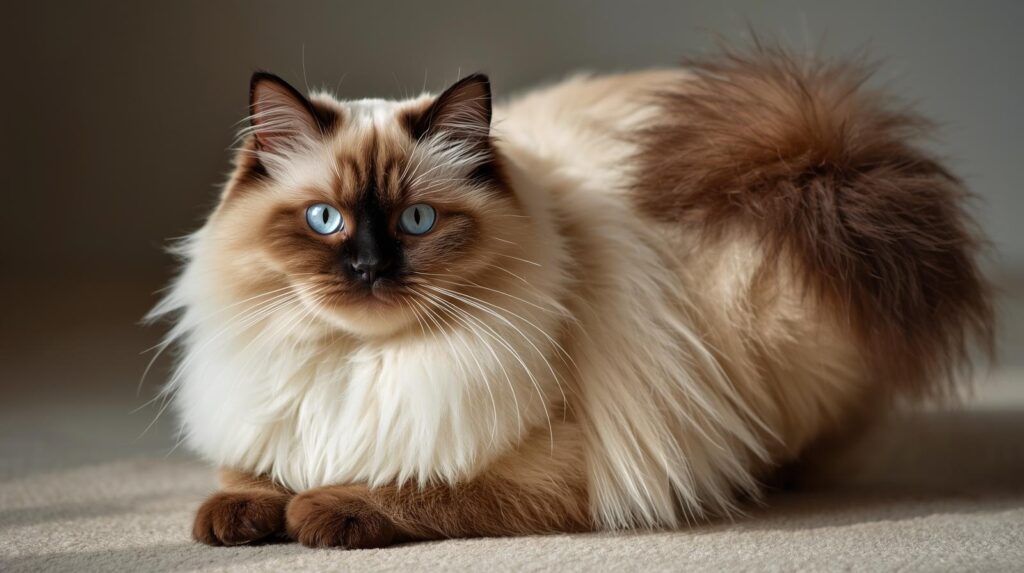
When I first considered adopting a ragdoll cat, my sister who’s allergic to most cats asked me the million-dollar question: “Are ragdoll cats hypoallergenic?” Like many prospective cat owners with allergies or allergy-prone family members, this question became the deciding factor in my pet adoption journey. Let me share everything I’ve learned about ragdoll cats and allergies through research and personal experience.
Understanding Cat Allergies and Ragdolls
The straightforward answer to whether ragdoll cats are hypoallergenic is no. However, there’s much more to this story than a simple yes or no response. Understanding what causes cat allergies is crucial before making any decisions about bringing a ragdoll into your home.
What Causes Cat Allergies?
The primary allergen in cats is a protein called Fel d 1, which is found in cat saliva, skin cells (dander), urine, and tear ducts. When cats groom themselves, they spread this protein throughout their coat, which then becomes airborne as the fur sheds. This is why many people wonder: are ragdolls hypoallergenic, given their luxurious coats?
According to recent research, around 90-96% of cat-allergic individuals are sensitized to Fel d 1, and it is responsible for 60-90% of the total allergic reactivity seen in affected individuals.
The Allergy Statistics You Need to Know
Understanding the prevalence of cat allergies helps put the question “are ragdoll cats hypoallergenic” into proper context. Let me share some eye-opening statistics:
| Statistic | Percentage | Source |
|---|---|---|
| Global population allergic to cats and dogs | 10–20% | Allergy, Asthma & Immunology Research |
| U.S. citizens with pet allergies | Up to 30% | American Academy of Allergy |
| Children (6–19) allergic to cats | 14% | AAAI Study |
| Cat allergy vs. dog allergy prevalence | 2× more common | Asthma and Allergy Foundation |
| Respiratory allergy patients allergic to cats | 20–30% | WHO/IUIS Data |
Globally, around 10-20% of human adults are allergic to cats, and cat allergy among humans is second only to house dust mite as a cause of indoor respiratory allergy. Furthermore, cat allergies are twice as common as dog allergies, making the question of whether are ragdoll cats hypoallergenic particularly relevant for prospective cat owners.
Why Are Ragdoll Cats Not Hypoallergenic?
When asking are ragdoll cats hypoallergenic, it’s essential to understand what “hypoallergenic” actually means. All cats produce Fel d 1, so hypoallergenic cats don’t exist. Despite claims you might see from some breeders, no cat breed is completely free from allergens.
The Ragdoll Difference
While ragdoll cats aren’t hypoallergenic, they do have some characteristics that might make them more tolerable for mild allergy sufferers:
- No Undercoat: Ragdolls lack undercoats and shed much less than other long-haired breeds. This means less dander spreading throughout your home.
- Reduced Shedding: The absence of an undercoat results in less hair around the house, potentially reducing allergen exposure.
- Grooming Habits: Ragdolls’ grooming patterns may differ slightly from other breeds, though they still produce and spread Fel d 1 through saliva.
For more information about different cat breeds and their characteristics, check out our comprehensive Maine coon Guides.
Personal Experience: Living with a Ragdoll and Allergies
I’ll be honest when I first brought my ragdoll, Luna, home, I was nervous. My sister’s mild cat allergies meant limited family visits were on the horizon. However, we discovered something interesting: her allergic reactions were noticeably milder around Luna compared to other cats she’d encountered.
This wasn’t because are ragdoll cats hypoallergenic (they’re not), but rather because of proactive management strategies we implemented from day one. Within three months, my sister could visit comfortably for several hours without significant symptoms.
Are Ragdolls Hypoallergenic? Managing Your Expectations
The question “are ragdolls hypoallergenic” deserves a nuanced answer. While ragdoll cats produce allergens like any other cat breed, certain factors can influence individual reactions:
Factors Affecting Allergen Production
- Gender: Female or neutered male Ragdolls produce less Fel d 1 than intact males
- Age: Kittens produce less Fel d 1 than adult cats
- Color: Some studies suggest lighter-colored cats may produce fewer allergens
- Individual Variation: Each cat produces different amounts of Fel d 1
Common Allergy Symptoms
When people react to cats, including ragdolls, they typically experience:
- Sneezing and runny nose
- Itchy, watery eyes
- Skin rashes or hives
- Coughing and wheezing
- Difficulty breathing (in severe cases)
- Chest tightness
Proven Strategies to Reduce Allergen Exposure
If you’re determined to own a ragdoll despite allergies, the question shifts from “are ragdoll cats hypoallergenic” to “how can I minimize allergen exposure?” Here are evidence-based strategies:
Home Environment Management
- HEPA Air Purifiers: Install high-quality HEPA filters in bedrooms and common areas
- Regular Vacuuming: Use vacuum cleaners with HEPA filters at least twice weekly
- Remove Carpets: Hard flooring is easier to clean and traps fewer allergens
- Wash Bedding Frequently: Clean all bedding in hot water weekly
- Create Cat-Free Zones: Keep bedrooms completely off-limits to your ragdoll
Cat Care Routines
- Regular Grooming: Brush your Ragdoll twice a week to prevent matted fur and reduce shedding
- Bathing Schedule: Bath every 4 to 6 weeks using hypoallergenic pet shampoo to manage allergen levels
- Wipe-Down Technique: Use pet-safe wipes on your ragdoll’s coat daily
- Hand Washing: Always wash hands after touching your cat
- Litter Box Placement: Keep litter boxes away from living areas
Medical Interventions
- Antihistamines: Over-the-counter options for mild symptoms
- Nasal Sprays: Corticosteroid sprays reduce inflammation
- Allergy Shots: Immunotherapy can build tolerance over time
- Consultation: Always work with an allergist for personalized treatment
Are Ragdoll Cats Hypoallergenic Compared to Other Breeds?
While we’ve established that ragdoll cats aren’t truly hypoallergenic, how do they compare to other popular breeds? Understanding this helps answer whether are ragdolls hypoallergenic in relative terms.
Breeds That Produce Fewer Allergens
If you’re asking “are ragdoll cats hypoallergenic” because you need a more allergy-friendly option, consider these alternatives:
Siberian Cats: Despite having dense coats, they produce less Fel d 1, making them potentially better for allergy sufferers.
Balinese Cats: Often referred to as “long-haired Siamese,” they also produce fewer Fel d 1 allergens while maintaining an elegant appearance.
Bengal Cats: They produce less of the allergenic protein and don’t groom themselves as often, reducing saliva spread.
Russian Blue: These cats produce fewer allergens despite their dense double coat.
Sphynx Cats: While hairless, they still produce Fel d 1 in their saliva and skin secretions.
The Science Behind Ragdoll Cat Allergies
To fully understand whether are ragdoll cats hypoallergenic, we need to examine the scientific evidence. Research has consistently shown that no cat breed is completely hypoallergenic, but some produce varying levels of allergens.
Fel d 1 Protein Distribution
The Fel d 1 protein that answers the question “are ragdoll cats hypoallergenic” isn’t found only in fur. It’s present in:
- Saliva (primary source)
- Sebaceous glands
- Skin cells
- Urine
- Anal gland secretions
This widespread distribution explains why even well-groomed ragdolls can trigger allergies. When people ask “are ragdolls hypoallergenic,” they’re often surprised to learn the problem isn’t just the fur.
Research Findings
A comprehensive study published in the Journal of Allergy and Clinical Immunology examined allergen levels across various breeds. While ragdolls weren’t specifically isolated, long-haired breeds without undercoats showed moderate allergen production compared to breeds with dense undercoats.
Testing Before Committing: Are Ragdoll Cats Hypoallergenic for You?
Before answering whether are ragdoll cats hypoallergenic for your specific situation, conduct personal testing:
Pre-Adoption Testing Steps
- Visit Ragdoll Breeders: Spend 2-3 hours in environments with multiple ragdolls
- Volunteer at Shelters: Interact with ragdolls over several weeks
- Arrange Trial Periods: Some breeders offer trial adoption periods
- Medical Testing: Get skin prick tests to measure Fel d 1 sensitivity
- Monitor Symptoms: Keep a detailed diary of allergic reactions
The Two-Week Test
I recommend this approach before finalizing any adoption:
- Week 1: Spend 30 minutes daily with ragdolls
- Week 2: Increase to 2-hour sessions
- Monitor symptoms throughout
- Assess if symptoms worsen or stabilize
This helps determine whether are ragdoll cats hypoallergenic enough for your tolerance level.
The Economic Impact of Cat Allergies
Understanding the broader implications helps contextualize why people ask “are ragdoll cats hypoallergenic” so frequently. Allergic rhinitis costs the United States nearly $600 per employee per year in lost productivity, with pet allergies being a significant contributor.
For individuals considering ragdolls, this economic factor combined with the emotional bond people form with cats makes finding allergy-friendly solutions crucial.
Future Solutions: Will Ragdoll Cats Become Hypoallergenic?
While currently are ragdoll cats hypoallergenic remains a “no,” scientific advances offer hope:
Emerging Technologies
- CRISPR Gene Editing: Scientists are researching methods to reduce Fel d 1 production
- Allergen-Neutralizing Products: New sprays and wipes that denature Fel d 1
- Immunotherapy Advances: More effective allergy shots with faster results
- Selective Breeding Programs: Efforts to breed cats with naturally lower Fel d 1 production
Current Innovations
A company called Purina has developed a cat food containing an egg-based ingredient that binds to Fel d 1 in cat saliva, potentially reducing active allergens. While not making ragdolls hypoallergenic, such innovations show promise.
Lifestyle Adjustments for Ragdoll Owners with Allergies
Many people successfully live with ragdolls despite allergies. The key is accepting that are ragdoll cats hypoallergenic? No but that doesn’t mean coexistence is impossible.
Daily Routines That Work
Morning Routine:
- Take antihistamines before cat interaction
- Use air purifier overnight in bedroom
- Quick vacuum of main living areas
Evening Routine:
- Brush ragdoll outdoors or in designated area
- Wipe down cat with damp cloth
- Change clothes after extended cat contact
Weekly Tasks:
- Deep clean with HEPA vacuum
- Wash all cat bedding
- Wipe down walls and surfaces
- Replace air filters
Building Tolerance: Can You Adapt to Ragdolls?
An interesting phenomenon occurs with some allergy sufferers: tolerance building. While this doesn’t make are ragdoll cats hypoallergenic answer change to “yes,” some individuals report decreased symptoms over 6-12 months of constant exposure.
Tolerance Building Factors
- Consistency: Regular, controlled exposure
- Severity: Works better for mild allergies
- Time: Requires months of patient adjustment
- Medical Support: Often combined with allergy treatments
However, severe allergy sufferers should not attempt tolerance building without medical supervision.
The Emotional Factor: When Love Meets Allergies
Here’s something rarely discussed when people ask “are ragdoll cats hypoallergenic” the emotional complexity of loving cats while being allergic. I’ve met countless people who endure symptoms because their ragdoll’s companionship outweighs the discomfort.
This personal dimension transforms the question from “are ragdolls hypoallergenic” to “are my allergies manageable enough to enjoy life with a ragdoll?” For many, with proper management, the answer is yes.
Conclusion: The Final Verdict on Ragdoll Hypoallergenic Claims
So, are ragdoll cats hypoallergenic? The definitive answer remains no. All ragdolls produce Fel d 1 protein, the primary allergen affecting 10-20% of the global population. However, ragdolls’ lack of undercoat, reduced shedding, and gentle nature may make them more tolerable for individuals with mild allergies.
The question shouldn’t be simply “are ragdoll cats hypoallergenic,” but rather “can I successfully manage my allergies while enjoying the companionship of a ragdoll?” With proper environmental controls, regular grooming, medical support, and realistic expectations, many allergy sufferers have found the answer to be yes.
Whether are ragdoll cats hypoallergenic for your specific situation requires personal testing, medical consultation, and honest assessment of your allergy severity. The journey to cat ownership with allergies is possible it just requires preparation, commitment, and the right management strategies.
Frequently Asked Questions
Q1: Are ragdoll cats hypoallergenic compared to Persian cats?
No, neither ragdoll cats nor Persian cats are hypoallergenic. Both breeds produce the Fel d 1 protein that causes allergic reactions. However, ragdolls may be slightly better for allergy sufferers because they lack the dense undercoat that Persians have, resulting in less shedding and potentially reduced allergen distribution throughout your home. The real question isn’t whether are ragdoll cats hypoallergenic compared to Persians, but which breed produces less environmental allergen spread through shedding patterns.
Q2: Can ragdoll cats cause allergies even if I’ve never been allergic to cats before?
Yes, absolutely. Allergies can develop at any point in life, even in adulthood. If you’ve never experienced cat allergies before but suddenly develop symptoms around a ragdoll, it’s because your immune system has become sensitized to the Fel d 1 protein. This is why the answer to “are ragdoll cats hypoallergenic” is important even for people without known allergies. Research shows that up to 20-30% of adults can develop cat sensitivities, so testing before adoption is crucial regardless of your allergy history.
Q3: How long does it take to know if are ragdoll cats hypoallergenic enough for me?
Allergy symptoms typically appear within minutes to hours of exposure, but to truly assess whether are ragdoll cats hypoallergenic enough for your tolerance level, you need 2-3 weeks of regular exposure. Spend time with ragdolls in enclosed spaces for at least 2-3 hours per visit, multiple times weekly. Keep a symptom diary noting severity and duration of reactions. If symptoms remain mild and don’t worsen over time, you may be able to manage living with a ragdoll. Remember, immediate reactions don’t tell the full story chronic exposure over weeks provides better insight into long-term compatibility with these beautiful cats.
Q4: Do female ragdoll cats produce fewer allergens than males?
Yes, research shows that female and neutered male ragdolls produce less Fel d 1 protein than intact males. This difference relates to hormone levels affecting allergen production. While this doesn’t make are ragdoll cats hypoallergenic answer change to “yes,” choosing a female or neutered male can reduce overall allergen exposure by approximately 20-30%. Additionally, kittens produce less Fel d 1 than adults, though this changes as they mature. If you’re highly sensitive and asking “are ragdolls hypoallergenic,” selecting a female or neutered male combined with strict allergen management offers your best chance for successful cohabitation.
Q5: What’s the most effective way to reduce ragdoll allergens in my home?
The most effective allergen reduction strategy combines multiple approaches rather than relying on a single solution. First, install HEPA air purifiers in every room, especially bedrooms (which should be cat-free zones). Second, groom your ragdoll twice weekly outdoors or in a ventilated bathroom, and bathe them every 4-6 weeks with hypoallergenic shampoo. Third, replace carpeting with hard floors and remove heavy curtains that trap allergens. Fourth, use allergen-neutralizing sprays on your cat’s fur weekly. Finally, wash hands immediately after cat contact and change clothes after extended interaction. While these steps don’t make are ragdoll cats hypoallergenic become true, they can reduce environmental allergen levels by 60-80%, making coexistence possible for many mild to moderate allergy sufferers. Have you discovered which combination of these strategies works best for your unique situation?